


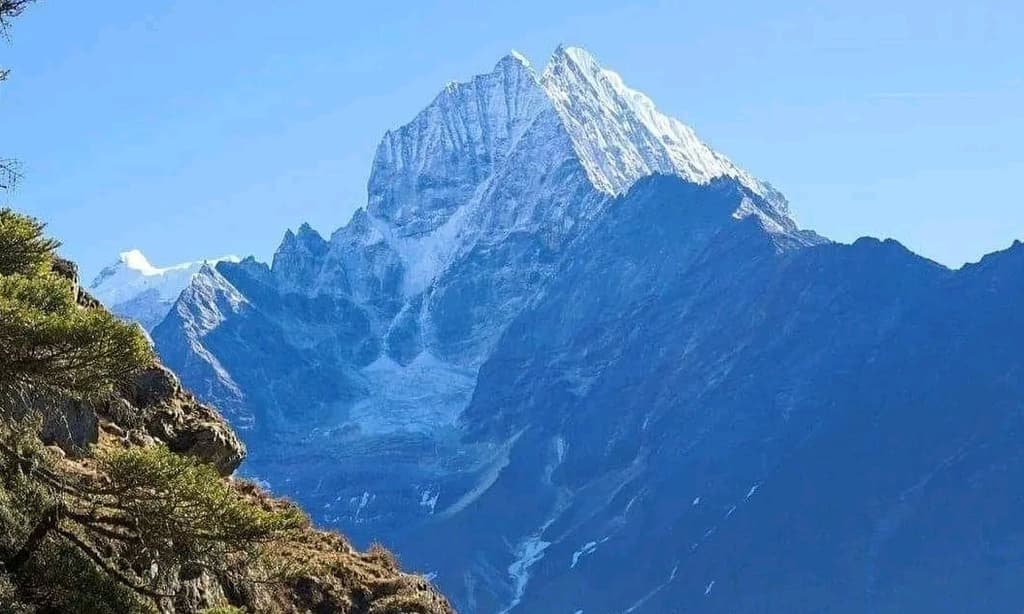
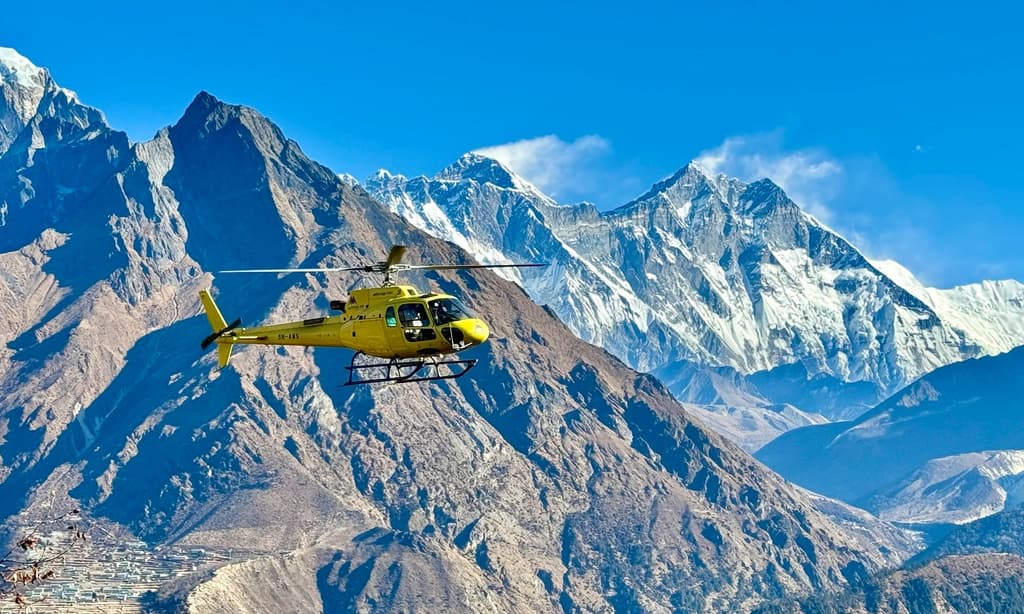
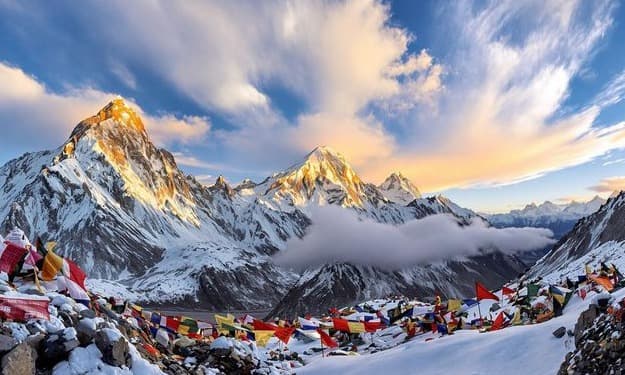
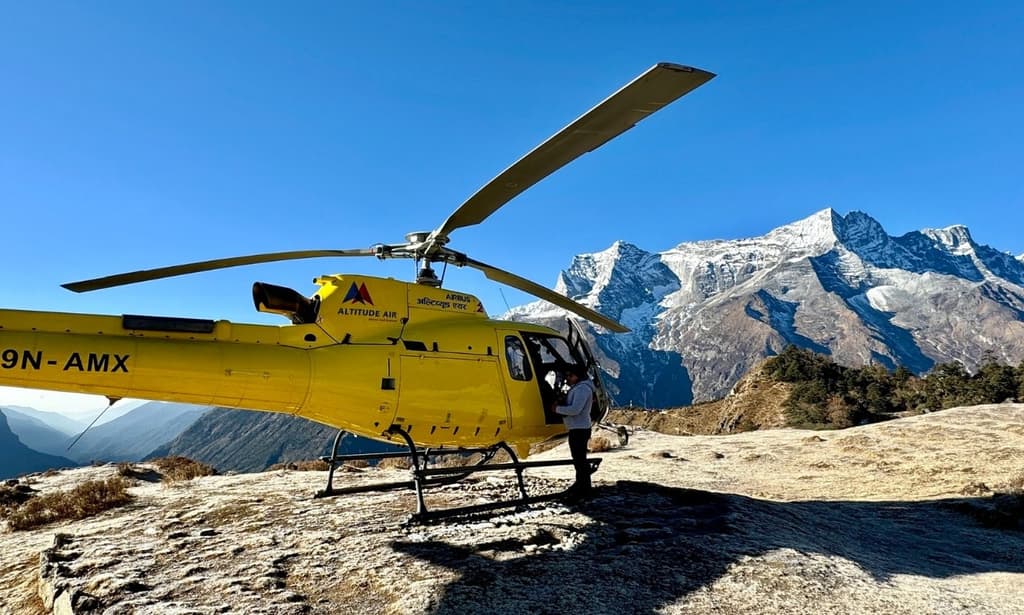
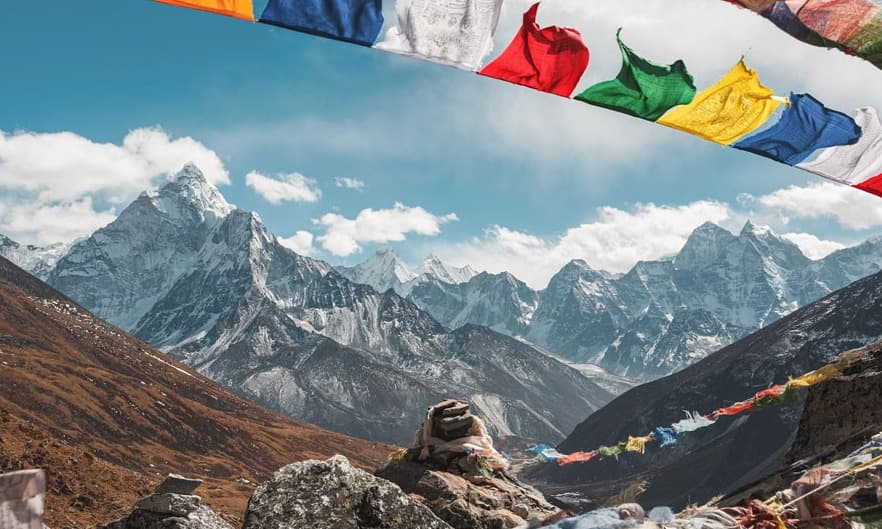
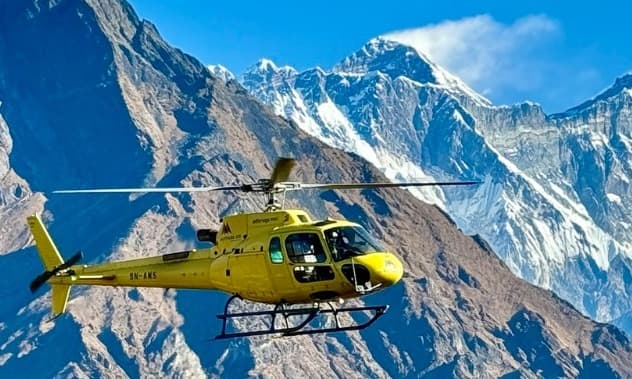
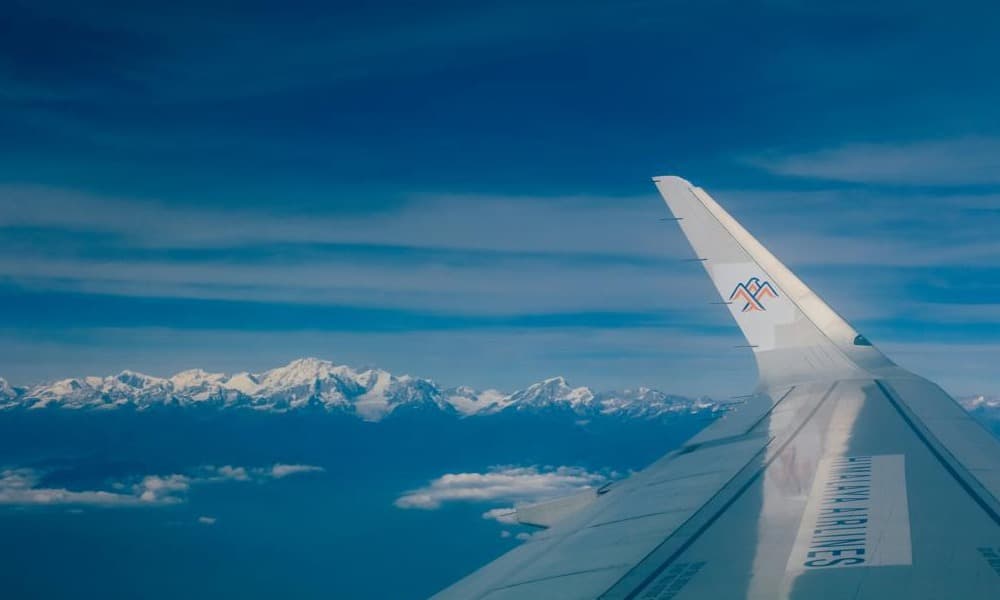
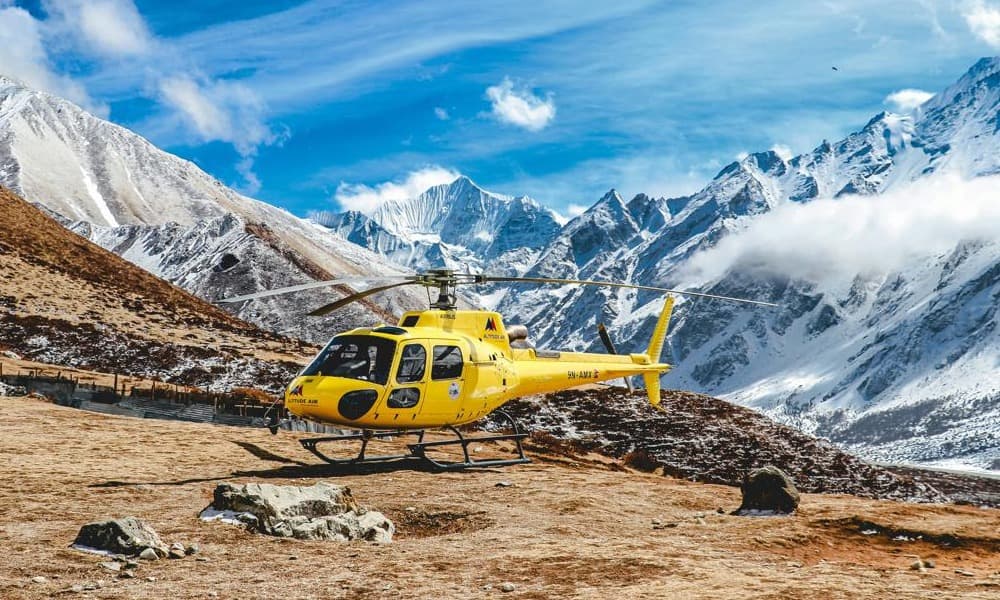
The Everest Region, also known as the Khumbu Region, is Nepal's most iconic mountain destination and home to the world's highest peak, Mount Everest. Located within Sagarmatha National Park, a UNESCO World Heritage Site, this spectacular region attracts trekkers, climbers, photographers, wildlife enthusiasts, and adventure seekers from around the globe.
Whether you dream of reaching the legendary Everest Base Camp, standing beneath towering Himalayan peaks, enjoying breathtaking mountain flights, or experiencing the unique culture of the Sherpa people, the Everest Region offers unforgettable experiences for every traveler.
The region is famous not only for its dramatic landscapes but also for its vibrant mountain villages, ancient monasteries, glacial lakes, suspension bridges, and warm Himalayan hospitality. From the lively streets of Namche Bazaar to the peaceful surroundings of Tengboche Monastery, every journey reveals breathtaking scenery and remarkable cultural encounters.
Adventure lovers can choose from world-renowned trekking routes such as the Everest Base Camp Trek, Gokyo Lakes Trek, Three Passes Trek, Everest View Trek, and Island Peak Climbing. Travelers with limited time can also experience the majesty of Everest through scenic helicopter tours and mountain flights.
At Shepherd Holidays, we offer carefully designed Everest trekking and tour packages led by experienced local guides who prioritize safety, comfort, responsible tourism, and authentic cultural experiences. Whether you are a first-time trekker or an experienced mountaineer, we help you discover the very best of Nepal's most celebrated Himalayan destination.
Why Visit the Everest Region?
- Witness Mount Everest – The Highest Mountain on Earth
- Trek to the Legendary Everest Base Camp
- Enjoy Spectacular Himalayan Panoramas
- Experience Authentic Sherpa Culture and Hospitality
- Visit Ancient Buddhist Monasteries
- Explore Sagarmatha National Park
- Walk Through Beautiful Alpine Forests
- Cross Iconic Suspension Bridges
- Witness Stunning Glaciers and Icefalls
- Discover Picturesque Sherpa Settlements
- Enjoy Scenic Mountain Flights and Helicopter Tours
- Perfect for Adventure Lovers
- Capture World-Class Photography Opportunities
- Observe Rare Himalayan Wildlife
- Experience Peaceful Mountain Life
- Challenge Yourself Physically and Mentally
- Stay in Traditional Teahouses and Luxury Mountain Lodges
- Visit Sacred Lakes, Chortens, Mani Walls, and Prayer Flag Sites
- Enjoy Adventures Throughout the Year
- Create Lifelong Memories
Highlights of the Everest Region
Visitors from around the world travel to the Everest Region for its remarkable combination of adventure, culture, and natural beauty. Some of the top highlights include:
- Stand at the legendary Everest Base Camp, one of the world's most iconic trekking destinations.
- Witness spectacular views of Mount Everest, Lhotse, Nuptse, Ama Dablam, Cho Oyu, and many other Himalayan giants.
- Explore the vibrant Sherpa town of Namche Bazaar, often called the gateway to Everest.
- Visit the spiritual Tengboche Monastery, one of the most important Buddhist monasteries in the Himalayas.
- Discover the crystal-clear Gokyo Lakes and enjoy panoramic views from Gokyo Ri.
- Experience the thrill of flying into Tenzing-Hillary Airport, one of the world's most famous mountain airports.
- Cross dramatic suspension bridges over deep Himalayan valleys.
- Encounter Himalayan wildlife, including the Himalayan tahr, musk deer, and colorful Himalayan pheasants.
- Experience authentic Sherpa hospitality in traditional mountain villages.
- Enjoy scenic helicopter tours with close-up views of Everest and surrounding peaks.
- Challenge yourself on world-renowned trekking routes such as the Everest Base Camp Trek, Gokyo Lakes Trek, and Three Passes Trek.
Top Places to Visit in the Everest Region
The Everest Region is much more than the famous Everest Base Camp Trek. From bustling Sherpa towns and sacred monasteries to glacial lakes and breathtaking mountain viewpoints, the region offers countless attractions that showcase the natural beauty and cultural heritage of the Nepalese Himalayas. Whether you're trekking for several weeks or taking a scenic helicopter tour, these are some of the must-visit places in the Everest Region.
- Mount Everest (Sagarmatha)
- Everest Base Camp
- Namche Bazaar
- Kala Patthar
- Gokyo Lakes
- Tengboche Monastery
- Lukla
- Dingboche
- Khumjung Village
- Sagarmatha National Park
- Phortse
- Monjo
- Phakding
- Lobuche
- Gorak Shep
- Cho La Pass
- Renjo La
- Kongma La
- Ama Dablam Base Camp
Together, these destinations make the Everest Region one of the world's greatest mountain travel experiences, offering something for every type of traveler, from first-time visitors and photographers to experienced trekkers and mountaineers. Read More about these destinations!
Best Things to Do in the Everest Region
The Everest Region offers far more than just trekking to Everest Base Camp. Whether you're an adventure enthusiast, nature lover, photographer, cultural explorer, or someone seeking a once-in-a-lifetime Himalayan experience, there are countless ways to discover this spectacular region. Here are some of the best things to do in the Everest Region.
1. Trek to Everest Base Camp
Suitable for: Adventure travelers, photographers, and trekking enthusiasts
2. Watch Sunrise from Kala Patthar
Suitable for: Photographers, trekkers, and nature lovers
3. Explore Namche Bazaar
Suitable for: Everyone
4. Visit Tengboche Monastery
Suitable for: Cultural travelers, families, and photographers
5. Discover the Gokyo Lakes
Suitable for: Nature lovers, trekkers, and photographers
6. Experience an Everest Helicopter Tour
Suitable for: Luxury travelers, families, seniors, and honeymooners
7. Learn About Sherpa Culture
Suitable for: Cultural explorers
8. Enjoy Himalayan Photography
Suitable for: Photographers, content creators, and nature enthusiasts
9. Spot Himalayan Wildlife
Suitable for: Wildlife enthusiasts and birdwatchers
10. Challenge Yourself with High-Altitude Treks
Suitable for: Experienced trekkers and adventure seekers
11. Experience a Scenic Mountain Flight
Suitable for: Families, seniors, and short-stay visitors
12. Stay in Traditional Tea Houses
Suitable for: All travelers
Why the Everest Region Is Special
Few destinations in the world combine world-class trekking, living mountain culture, spiritual heritage, dramatic landscapes, and diverse adventure opportunities as seamlessly as the Everest Region. Whether you spend a few days on a scenic helicopter tour or complete a multi-week Himalayan expedition, every journey offers unforgettable moments surrounded by some of the highest peaks on Earth.
Best Trekking Routes in the Everest Region
The Everest Region is home to some of the world's most legendary trekking trails, offering unforgettable journeys through dramatic mountain landscapes, traditional Sherpa villages, ancient monasteries, and breathtaking Himalayan scenery. Whether you're a first-time trekker or an experienced adventurer, there's a route to match your interests, fitness level, and available time.
Here are some of the best trekking routes in the Everest Region.
1. Everest Base Camp Trek
Duration: 12–14 days
Difficulty: Moderate to Challenging
Maximum Elevation: 5,545 m (Kala Patthar)
Best For: First-time Everest trekkers and adventure seekers
2. Everest Base Camp Trek with Helicopter Return
Duration: 10–12 days
Difficulty: Moderate
Best For: Luxury travelers and those with limited time
3. Everest View Trek
Duration: 5–7 days
Difficulty: Easy to Moderate
Best For: Families, beginners, and short holidays
4. Gokyo Lakes Trek
Duration: 12–14 days
Difficulty: Moderate to Challenging
Best For: Nature lovers and photographers
5. Everest Three Passes Trek
Duration: 18–21 days
Difficulty: Challenging
Best For: Experienced trekkers
6. Gokyo Lakes and Everest Base Camp Trek
Duration: 16–18 days
Difficulty: Challenging
Best For: Experienced hikers seeking a complete Everest experience
7. Ama Dablam Base Camp Trek
Duration: 10–12 days
Difficulty: Moderate
Best For: Photographers and returning Everest visitors
8. Island Peak Climbing
Duration: 16–20 days
Difficulty: Challenging (requires climbing skills and proper equipment)
Best For: Aspiring mountaineers
9. Jiri to Everest Base Camp Trek
Duration: 20–24 days
Difficulty: Challenging
Best For: Experienced trekkers seeking the original Everest route
Which Everest Trek Is Right for You?
| Trek | Duration | Difficulty | Best For |
|---|---|---|---|
| Everest View Trek | 5–7 Days | Easy–Moderate | Families & beginners |
| Everest Base Camp Trek | 12–14 Days | Moderate–Challenging | Most travelers |
| Everest Base Camp + Helicopter Return | 10–12 Days | Moderate | Luxury & time-conscious travelers |
| Gokyo Lakes Trek | 12–14 Days | Moderate–Challenging | Nature lovers |
| Gokyo + Everest Base Camp | 16–18 Days | Challenging | Experienced trekkers |
| Everest Three Passes Trek | 18–21 Days | Challenging | Expert trekkers |
| Ama Dablam Base Camp Trek | 10–12 Days | Moderate | Photographers |
| Island Peak Climbing | 16–20 Days | Challenging | Mountaineers |
| Jiri to Everest Base Camp | 20–24 Days | Challenging | Classic trekking enthusiasts |
Best Time to Visit the Everest Region
The Everest Region is a year-round destination, but the experience varies greatly depending on the season. Weather, visibility, trail conditions, and temperatures all influence trekking and sightseeing. While every season has its own charm, spring and autumn are widely regarded as the best times to visit the Everest Region.
Whether you're planning a trek to Everest Base Camp, a helicopter tour, or a shorter Himalayan getaway, understanding the seasonal conditions will help you choose the best time for your adventure.
Spring (March to May) – The Best Season for Trekking
- Stable weather with clear mountain views
- Blooming rhododendron forests
- Comfortable daytime trekking temperatures
- Excellent photography opportunities
- Peak Everest climbing season
Recommended for: Everest Base Camp Trek, Gokyo Lakes Trek, Three Passes Trek, helicopter tours, and mountain photography.
Summer / Monsoon (June to August) – Lush Landscapes and Fewer Crowds
- Fewer trekkers on the trails
- Beautiful green valleys
- Fresh mountain scenery
- Peaceful trekking experience
Recommended for: Experienced trekkers seeking fewer crowds and flexible travel plans.
Autumn (September to November) – The Most Popular Season
- Crystal-clear mountain views
- Dry and stable weather
- Comfortable trekking conditions
- Vibrant trekking atmosphere
- Major Nepalese festivals such as Dashain and Tihar
Recommended for: All Everest trekking routes, helicopter tours, luxury trekking, and cultural experiences.
Winter (December to February) – Quiet Trails and Snowy Landscapes
- Snow-covered Himalayan landscapes
- Fewer visitors
- Peaceful trekking experience
- Excellent mountain visibility on clear days
Recommended for: Experienced trekkers, photographers, and travelers who prefer quieter trails.
Seasonal Comparison
| Season | Weather | Mountain Views | Crowd Level | Recommended |
|---|---|---|---|---|
| Spring (Mar–May) | Mild and stable | Excellent | High | ⭐⭐⭐⭐⭐ |
| Summer (Jun–Aug) | Rain at lower elevations | Fair to Good | Low | ⭐⭐⭐ |
| Autumn (Sep–Nov) | Dry and clear | Excellent | Very High | ⭐⭐⭐⭐⭐ |
| Winter (Dec–Feb) | Cold and dry | Excellent | Low | ⭐⭐⭐⭐ |
Best Time for Different Activities
| Activity | Best Months |
|---|---|
| Everest Base Camp Trek | March–May, September–November |
| Everest View Trek | March–May, September–January |
| Gokyo Lakes Trek | April–May, October–November |
| Three Passes Trek | April–May, October |
| Helicopter Tour | March–May, September–December |
| Mountain Photography | March–May, October–November |
| Wildlife & Nature | March–May, October |
Month-by-Month Overview
| Month | Travel Experience |
|---|---|
| January | Cold with clear skies and fewer trekkers |
| February | Winter conditions begin to improve |
| March | Spring starts with warmer temperatures and blooming forests |
| April | Excellent trekking weather and vibrant landscapes |
| May | Ideal for trekking and Everest climbing expeditions |
| June | Beginning of the monsoon season |
| July | Rainy at lower elevations with lush scenery |
| August | Continued monsoon; quieter trekking routes |
| September | Monsoon ends, skies become clearer |
| October | Peak trekking season with outstanding visibility |
| November | Stable weather and excellent mountain views |
| December | Cold but clear with peaceful trails |
Our Recommendation
For most travelers, April, May, October, and November offer the best overall experience in the Everest Region. These months combine favorable weather, clear mountain views, and excellent trekking conditions, making them ideal for everything from short scenic hikes to challenging high-altitude adventures.
Travelers seeking fewer crowds may prefer late February, early March, or early December, when the region remains beautiful while offering a quieter and more relaxed experience.
How to Reach the Everest Region
Reaching the Everest Region is part of the adventure. Unlike many destinations in Nepal, there are no direct roads to the heart of the Khumbu Region. Most travelers begin their journey with a scenic flight to Lukla, while others choose helicopter transfers or longer overland trekking routes.
Whether you're planning a classic Everest Base Camp Trek, a luxury helicopter tour, or an off-the-beaten-path adventure, there are several ways to reach the Everest Region.
By Air: Kathmandu to Lukla Flight
The fastest and most popular way to reach the Everest Region is by taking a flight to Tenzing-Hillary Airport, commonly known as Lukla Airport.
Located at an altitude of approximately 2,846 meters (9,337 feet), Lukla serves as the main gateway to the Everest Region. The flight offers breathtaking aerial views of the Himalayan range and takes approximately 30 to 35 minutes under normal weather conditions.
During Nepal's busy trekking seasons (spring and autumn), many Lukla flights operate from Ramechhap instead of Kathmandu to help manage air traffic. Travelers typically drive about four to five hours from Kathmandu to Ramechhap before boarding their flight.
Highlights
- Fastest route to the Everest Region
- Spectacular Himalayan mountain views
- Ideal for most trekking itineraries
- Available year-round, weather permitting
By Helicopter
A helicopter transfer is the most comfortable and time-efficient way to reach the Everest Region.
Helicopters can fly directly from Kathmandu to Lukla or continue toward Everest Base Camp and nearby viewpoints, depending on the itinerary and weather conditions. This option is especially popular among luxury travelers, families, photographers, senior travelers, and those with limited time.
Helicopter services are also commonly used when Lukla flights are delayed due to weather.
Best for
- Luxury holidays
- Everest Base Camp Helicopter Tour
- Short Himalayan experiences
- Private groups
- Time-sensitive travelers
By Road and Trek via Jiri
Before Lukla Airport was built, nearly all Everest expeditions began from Jiri.
Today, travelers can still drive from Kathmandu to Jiri and follow the historic trekking route that eventually joins the classic Everest Base Camp trail. Although it requires additional trekking days, this route offers a richer cultural experience, gradual altitude gain, and fewer crowds during the early stages.
Travel Time
- Kathmandu to Jiri: approximately 7–9 hours by road
- Additional trekking days before reaching Namche Bazaar
Best for
- Experienced trekkers
- Adventure seekers
- Those interested in the original Everest expedition route
By Road via Salleri
Another increasingly popular option is traveling by road from Kathmandu to Salleri or nearby villages before beginning the trek toward Lukla and Namche Bazaar.
Improved road access has made this route attractive for travelers who wish to avoid domestic flights or continue trekking when flights are disrupted by weather.
While this option requires several additional trekking days, it offers beautiful countryside scenery, traditional villages, and a less crowded experience.
Distance from Kathmandu
| Destination | Approximate Distance | Typical Travel Time |
|---|---|---|
| Kathmandu to Lukla (Flight) | About 138 km (air distance) | 30–35 minutes |
| Kathmandu to Jiri (Road) | About 190 km | 7–9 hours |
| Kathmandu to Salleri (Road) | About 265 km | 8–10 hours |
Travel times may vary depending on weather, road conditions, and traffic.
Important Travel Information
- Lukla flights are highly dependent on weather and may be delayed or rescheduled.
- It's recommended to keep one or two buffer days in your itinerary, especially during the trekking seasons.
- Morning flights generally have the highest chance of operating due to calmer weather.
- Helicopter transfers can sometimes operate when fixed-wing flights are suspended, although they are also subject to weather conditions.
- Booking flights and helicopter services well in advance is recommended during the peak trekking seasons.
Travel with Shepherd Holidays
Shepherd Holidays can arrange every aspect of your journey to the Everest Region, including:
- Domestic flight bookings
- Helicopter transfers
- Airport transfers
- Experienced trekking guides
- Porter services
- Accommodation throughout the trek
- Customized Everest trekking itineraries
- Luxury Everest experiences
- Emergency logistical support
Our experienced team ensures a smooth and well-organized journey, allowing you to focus on enjoying one of the world's greatest mountain destinations.
Where to Stay in the Everest Region
The Everest Region offers a wide range of accommodation options, from simple family-run tea houses to comfortable mountain lodges and luxury hotels. Most trekkers stay in traditional tea houses along the trekking routes, while travelers seeking additional comfort can choose premium lodges in selected villages.
Accommodation standards generally become simpler as you gain altitude, but the warm hospitality of the Sherpa people makes every stay a memorable part of the journey.
Traditional Tea Houses
Tea houses are the most common type of accommodation in the Everest Region. These locally owned lodges provide clean rooms, hearty meals, and welcoming hospitality, allowing trekkers to experience authentic mountain life while supporting local communities.
Most tea houses offer:
- Twin-sharing rooms
- Comfortable beds with blankets
- Shared bathrooms (private bathrooms available in some villages)
- Dining halls heated by traditional stoves
- Local and international meals
- Hot drinks, snacks, and bottled or filtered water
- Wi-Fi and charging facilities (usually available for an additional fee)
Tea houses can be found in almost every village along the major trekking routes, making them the preferred choice for most visitors.
Mountain Lodges
Several villages, including Namche Bazaar, Lukla, and Dingboche, offer upgraded mountain lodges with more comfortable rooms and additional amenities.
These lodges may include:
- Private attached bathrooms
- Comfortable mattresses
- Electric blankets (in some properties)
- Hot showers
- Better Wi-Fi connectivity
- Cafés and bakeries
- Laundry services
- Improved dining facilities
Mountain lodges are ideal for travelers looking for extra comfort without sacrificing the authentic trekking experience.
Luxury Lodges
For travelers seeking a premium Himalayan holiday, luxury lodges are available in selected locations, particularly in Lukla, Namche Bazaar, and nearby villages.
Luxury accommodation may feature:
- Spacious rooms with private bathrooms
- High-quality bedding
- Fine dining experiences
- Heated dining areas
- Wellness facilities (at selected properties)
- Personalized service
- Stunning mountain views
These lodges are often included in luxury Everest trekking packages and helicopter tour itineraries.
Accommodation by Popular Trekking Stops
Lukla
From budget tea houses to comfortable mountain lodges.
Namche Bazaar
Traditional tea houses, boutique lodges, bakeries, cafés, and premium mountain hotels, making it an excellent place to rest during acclimatization.
Tengboche
Accommodation in Tengboche is more limited but offers spectacular views of the surrounding Himalayan peaks. Many trekkers enjoy staying here to visit the famous monastery and experience the peaceful mountain atmosphere.
Dingboche
Tea houses to mountain lodges.
Lobuche and Gorak Shep
Comfortable tea houses. Facilities become simpler due to the remote location.
Booking Tips
- Reserve accommodation early during the spring (March to May) and autumn (September to November) trekking seasons.
- Tea houses become more basic as altitude increases, so expectations should be adjusted accordingly.
- Carry some cash, as card payment facilities are limited in remote villages.
- Wi-Fi, charging electronic devices, and hot showers may involve additional charges at higher elevations.
- Booking through an experienced local tour operator like Shepherd Holidays ensures accommodation is arranged in advance, allowing you to focus on your trek.
Our Recommendation
For most travelers, traditional tea houses provide the most authentic and enjoyable Everest experience. If you prefer additional comfort, consider a luxury lodge trek that combines exceptional service with the breathtaking beauty of the Himalayas.
Whether you choose a simple mountain lodge or a premium Himalayan retreat, staying in the Everest Region offers the unique opportunity to wake up surrounded by some of the world's highest mountains and experience the legendary hospitality of the Sherpa community.
Local Culture, Traditions & Food in the Everest Region
The Everest Region is not only famous for its breathtaking mountains but also for its rich cultural heritage and the warm hospitality of the Sherpa people. Every trekking trail passes through traditional villages where centuries-old Buddhist traditions, colorful monasteries, and close-knit mountain communities continue to shape daily life.
Experiencing the local culture is one of the most rewarding parts of visiting the Everest Region, allowing travelers to connect with the people who have called these mountains home for generations.
- Sherpa Culture
- Buddhism in the Everest Region
- Festivals and Celebrations
- Mani Rimdu – The most famous Sherpa Buddhist festival, celebrated at Tengboche Monastery with colorful masked dances, sacred rituals, and prayers.
- Losar – The Sherpa and Tibetan New Year, marked by family gatherings, prayers, traditional food, and cultural celebrations.
- Dumji Festival – A community festival celebrated in several Sherpa villages to honor local traditions and religious beliefs.
- Dashain and Tihar – Nepal's two biggest national festivals, also observed by many communities throughout the region.
Traditional Food in the Everest Region
- Dal Bhat
- Sherpa Stew
- Tibetan Bread
- Momos
- Thukpa
- Yak Cheese
- Butter Tea
Responsible Cultural Travel
Visitors are encouraged to respect local customs and traditions while exploring the Everest Region.
Some helpful guidelines include:
- Dress modestly when visiting monasteries and religious sites.
- Walk clockwise around chortens, mani walls, and prayer wheels.
- Remove your shoes before entering temples or monastery prayer halls where requested.
- Always ask permission before photographing local people or monks.
- Support locally owned tea houses, guides, porters, and businesses whenever possible.
- Avoid littering and help preserve the fragile Himalayan environment.
Respectful travel not only enriches your own experience but also helps protect the unique culture and traditions of the Everest Region for future generations.
Experience More Than the Mountains
While Mount Everest is the region's greatest attraction, many visitors leave with equally lasting memories of the Sherpa people, peaceful monasteries, delicious local food, and genuine mountain hospitality. Taking time to engage with local communities transforms an Everest trek from a physical challenge into a meaningful cultural journey.
Suggested Everest Region Itineraries
Whether you have just a few days or several weeks, the Everest Region offers unforgettable experiences for every type of traveler. From scenic helicopter tours and short trekking holidays to legendary Himalayan expeditions, there's an itinerary to suit every schedule and fitness level.
Here are some suggested itineraries to help you plan your Everest adventure.
- 3 Days – Everest Helicopter Experience
- 5 Days – Everest View Trek
- 7 Days – Everest Panorama Trek
- 12 Days – Classic Everest Base Camp Trek
- 14 Days – Everest Base Camp Trek (Recommended)
- 16 Days – Gokyo Lakes & Everest Base Camp Trek
- 18–21 Days – Everest Three Passes Trek
Which Itinerary Is Right for You?
| Duration | Recommended Experience | Best For |
|---|---|---|
| 3 Days | Everest Helicopter Tour | Luxury travelers & short visits |
| 5 Days | Everest View Trek | Beginners & families |
| 7 Days | Everest Panorama Trek | Moderate hikers |
| 12 Days | Classic Everest Base Camp Trek | Adventure travelers |
| 14 Days | Everest Base Camp Trek | Most visitors |
| 16 Days | Gokyo Lakes + Everest Base Camp | Experienced trekkers |
| 18–21 Days | Everest Three Passes Trek | Expert trekkers |
Customize Your Everest Adventure
Every traveler has different interests, fitness levels, and travel goals. At Shepherd Holidays, we specialize in creating personalized Everest itineraries that match your schedule, budget, and preferences.
Whether you're looking for a luxury helicopter experience, a family-friendly Himalayan holiday, a guided Everest Base Camp Trek, or a challenging high-altitude expedition, our experienced local team can design the perfect journey for you.
Travel Tips for Visiting the Everest Region
A journey to the Everest Region is an unforgettable adventure, but proper preparation is essential for a safe, enjoyable, and rewarding experience. Whether you're planning a short Everest View Trek, the classic Everest Base Camp Trek, or a luxury helicopter tour, these practical travel tips will help you make the most of your Himalayan adventure.
Prepare for High Altitude
To reduce the risk of altitude-related illness:
- Follow your itinerary and avoid ascending too quickly.
- Include acclimatization days, especially in Namche Bazaar and Dingboche.
- Drink plenty of water throughout the trek.
- Avoid excessive alcohol and smoking at high altitudes.
- Inform your guide immediately if you experience symptoms such as headache, nausea, dizziness, or unusual fatigue.
Pack Smart
Weather in the Himalayas can change quickly, so packing appropriate clothing and equipment is important. Essential items include:
- Comfortable trekking boots
- Warm down jacket
- Waterproof outer layer
- Thermal clothing
- Gloves and warm hat
- Sunglasses with UV protection
- Sunscreen and lip balm
- Reusable water bottle
- Personal first-aid kit
- Trekking poles
- Headlamp with spare batteries
- Power bank
Packing light while carrying the essentials will make your trek more comfortable.
Train Before Your Trek
Although many Everest treks do not require technical climbing skills, they do require good physical fitness.
Before your trip, try to:
- Walk or hike regularly.
- Improve cardiovascular endurance through activities such as running, cycling, or swimming.
- Strengthen your legs and core muscles.
- Practice walking with a backpack if possible.
Preparing in advance will help you enjoy the trek much more.
Be Flexible with Flight Schedules
Flights to Lukla are weather-dependent, and delays or cancellations occasionally occur due to mountain conditions.
We recommend:
- Including one or two extra days in your travel schedule.
- Booking international flights with some flexibility.
- Considering helicopter transfers if time is limited.
A flexible itinerary reduces stress and allows for unexpected weather changes.
Respect Local Culture
The Everest Region is deeply rooted in Sherpa traditions and Tibetan Buddhism. Showing respect for local customs enhances your experience and supports responsible tourism.
Stay Connected
Many villages offer Wi-Fi and mobile network coverage, although connections may become slower and less reliable at higher elevations.
Charging electronic devices is usually available in tea houses, so carrying a power bank is highly recommended.
Carry Cash
ATMs are available in Kathmandu and Namche Bazaar, but access becomes very limited beyond Namche.
Carry enough Nepalese Rupees to cover:
- Drinks
- Snacks
- Charging fees
- Wi-Fi
- Hot showers
- Personal expenses
- Tips for guides and porters
Cash remains the most convenient payment method in remote mountain villages.
Travel Responsibly
The Everest Region is a fragile mountain environment that deserves careful protection.
Help preserve its natural beauty by:
- Carrying a reusable water bottle.
- Avoiding single-use plastics whenever possible.
- Taking your rubbish back when appropriate.
- Staying on designated trails.
- Respecting wildlife and local communities.
- Choosing responsible local tour operators.
Responsible travel helps protect the Himalayas for future generations.
Travel with Experienced Local Guides
Hiring experienced local guides greatly enhances both safety and the overall trekking experience. Professional guides assist with navigation, cultural insights, acclimatization planning, logistics, and emergency support if needed.
At Shepherd Holidays, our knowledgeable local guides and dedicated support team ensure every journey is well organized, safe, and memorable from start to finish.
Quick Travel Checklist
Before leaving for the Everest Region, make sure you have:
- Valid passport and required travel documents
- Comprehensive travel insurance that covers high-altitude trekking and emergency helicopter evacuation
- Domestic flight or helicopter booking confirmation
- Appropriate trekking clothing and footwear
- Personal medications and first-aid supplies
- Nepalese Rupees for personal expenses
- Camera or smartphone with extra batteries or a power bank
- Positive attitude and a spirit of adventure
Frequently Asked Questions About the Everest Region
1. Where is the Everest Region located?
The Everest Region, also known as the Khumbu Region, is located in northeastern Nepal within Sagarmatha National Park. It is home to Mount Everest, the highest mountain in the world.
2. What is the Everest Region famous for?
The Everest Region is famous for Mount Everest, the Everest Base Camp Trek, Sherpa culture, spectacular Himalayan scenery, ancient monasteries, high-altitude trekking, and unforgettable mountain adventures.
3. What is the best time to visit the Everest Region?
Spring (March to May) and autumn (September to November) are considered the best times to visit due to stable weather, comfortable temperatures, and excellent mountain visibility.
4. How do I reach the Everest Region?
Most visitors fly from Kathmandu or Ramechhap to Tenzing-Hillary Airport before starting their trek. Helicopter transfers and overland routes via Jiri or Salleri are also available.
5. How difficult is trekking in the Everest Region?
Difficulty varies by route. The Everest View Trek is suitable for beginners with reasonable fitness, while the Everest Base Camp Trek is moderately challenging. More demanding routes, such as the Three Passes Trek, require greater experience and endurance.
6. Do I need previous trekking experience?
No. Many first-time trekkers successfully complete the Everest Base Camp Trek with proper preparation, gradual acclimatization, and the support of experienced guides.
Explore Tours | Customize Your Trip | Inquire Now