


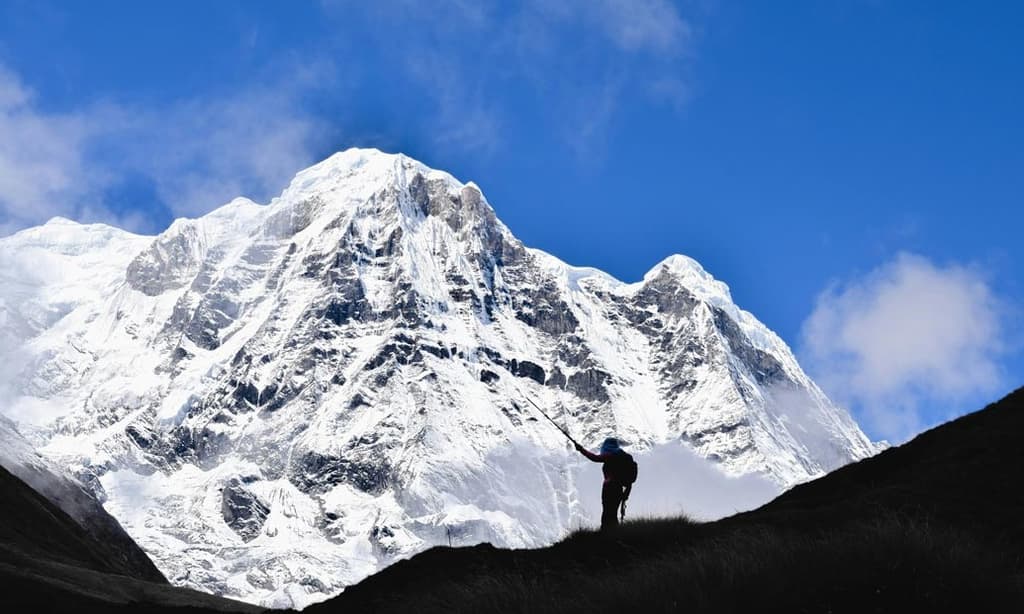
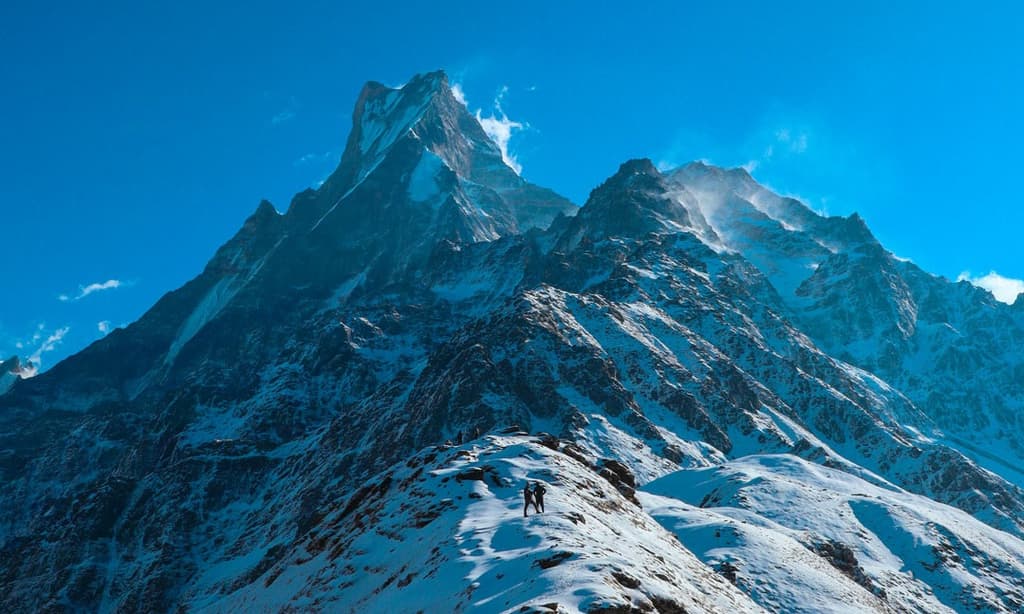

The Annapurna Region is one of Nepal’s most beautiful and diverse mountain destinations, renowned for its breathtaking Himalayan landscapes, rich cultural heritage, and world-class trekking trails. Home to iconic peaks such as Annapurna I and Machhapuchhre (Fishtail Mountain), the region offers a remarkable blend of snow-capped mountains, traditional villages, lush forests, terraced hillsides, and alpine wilderness.
From the legendary Annapurna Circuit and Annapurna Base Camp Trek to short scenic hikes around Poon Hill, Ghandruk, and Dhampus, the region caters to travelers of all ages and fitness levels. Visitors can experience the warm hospitality of Gurung, Magar, Thakali, and Manangi communities while enjoying spectacular mountain views and authentic local culture.
Easily accessible from Pokhara and protected by the Annapurna Conservation Area, the Annapurna Region is ideal for trekkers, nature lovers, photographers, and adventure seekers looking to explore one of the most rewarding destinations in the Himalayas.
Top Places to Visit in the Annapurna Region
1. Annapurna Base Camp (4,130 m)
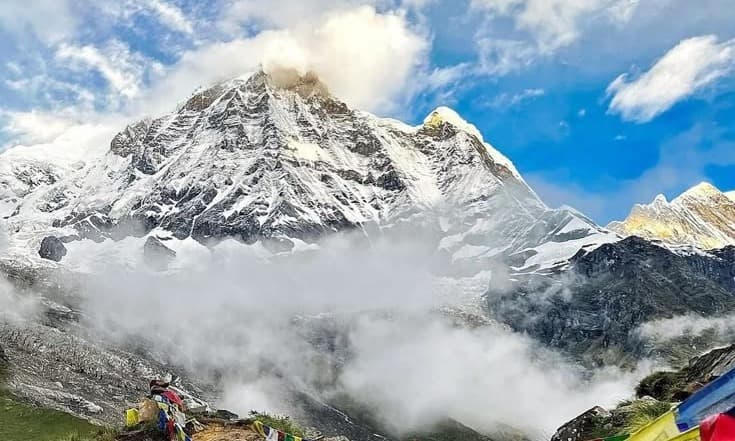
Annapurna Base Camp (ABC) is one of Nepal's most iconic trekking destinations, situated in the heart of the Annapurna Sanctuary and surrounded by towering Himalayan peaks. Standing at 4,130 meters, the base camp offers breathtaking 360-degree views of Annapurna I, Annapurna South, Hiunchuli, Machhapuchhre, Gangapurna, and several other snow-covered mountains. Reaching the base camp is an unforgettable journey through charming villages, rhododendron forests, waterfalls, terraced fields, and alpine landscapes.
Highlights
- Panoramic Himalayan views
- Annapurna Sanctuary
- Traditional mountain villages
- Sunrise and sunset photography
- Comfortable teahouse trekking
2. Annapurna Circuit
The Annapurna Circuit is widely regarded as one of the greatest trekking routes in the world. The trail circles the Annapurna Massif, crossing diverse landscapes that range from subtropical forests to high-altitude deserts. The journey reaches its highest point at Thorong La Pass before descending into the culturally rich Mustang region.
Highlights
- World-famous trekking route
- Diverse landscapes
- Mountain villages
- High Himalayan passes
- Rich cultural experiences
3. Thorong La
At 5,416 meters, Thorong La is one of the highest trekking passes in the world. Crossing this legendary pass is considered the highlight of the Annapurna Circuit Trek. Trekkers are rewarded with spectacular views of the Annapurna and Dhaulagiri mountain ranges.
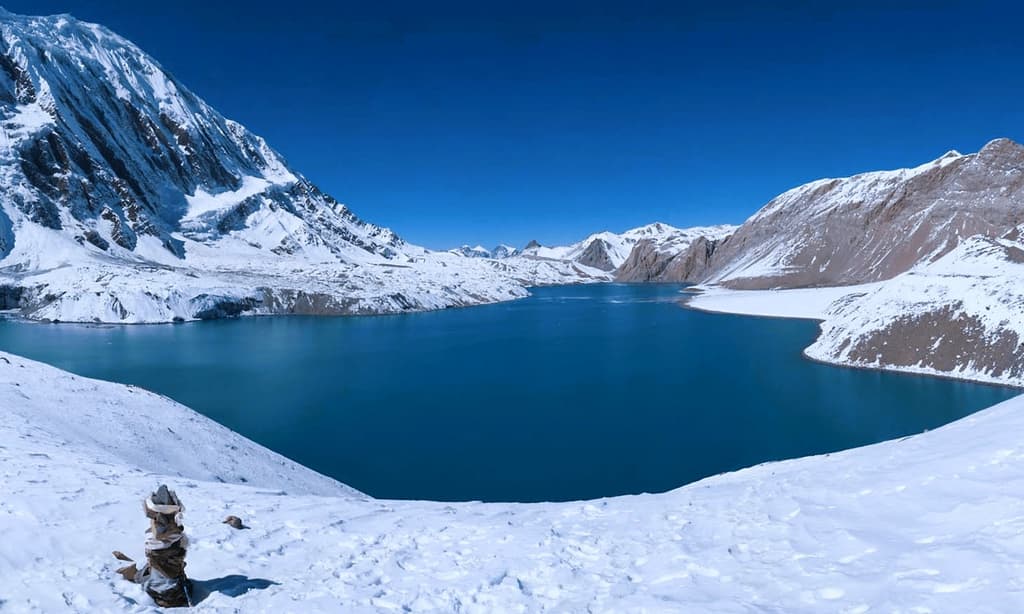
4. Tilicho Lake
Located at approximately 4,919 meters, Tilicho Lake is among the world's highest lakes. Its crystal-clear turquoise waters, surrounded by dramatic Himalayan cliffs, create one of the most beautiful alpine landscapes in Nepal. Many trekkers visit Tilicho Lake as a side trip from the Annapurna Circuit.
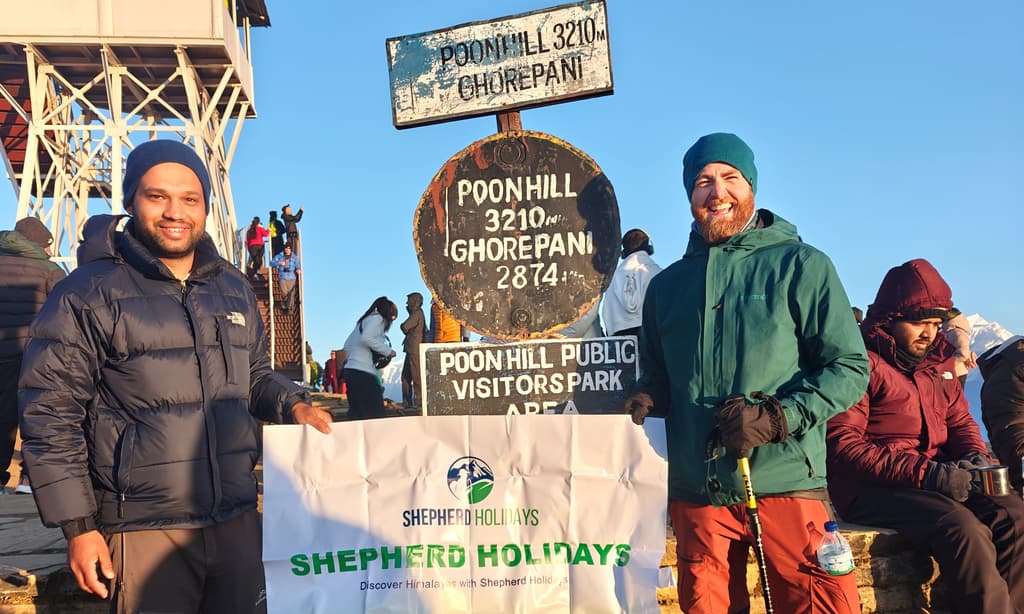
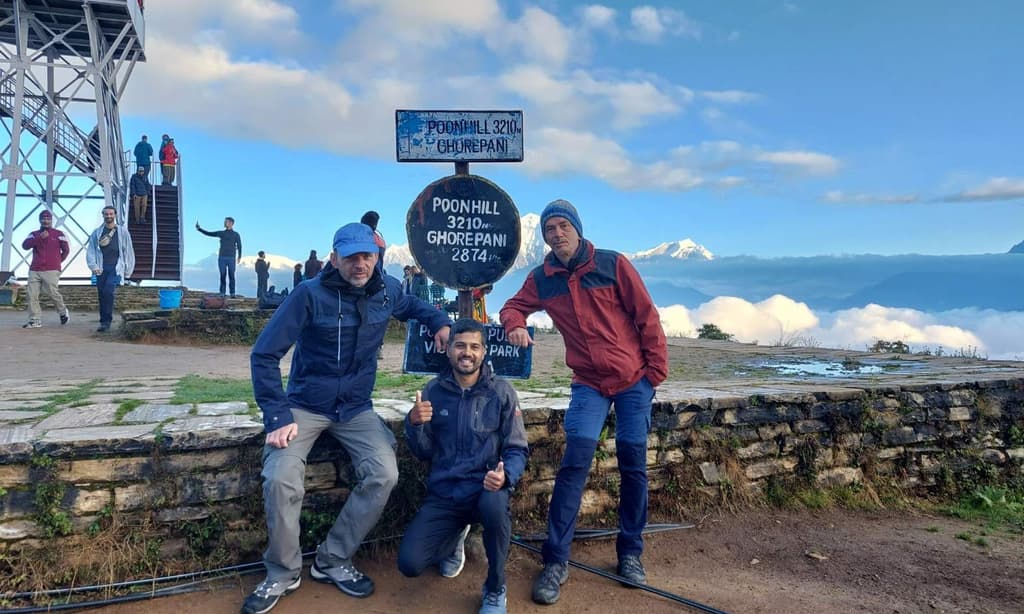
5. Poon Hill
Poon Hill is Nepal's most famous sunrise viewpoint. Located at 3,210 meters, it offers spectacular panoramic views of Annapurna, Dhaulagiri, Machhapuchhre, Nilgiri, and Hiunchuli. The relatively easy trek makes it one of the best choices for beginners and families.
6. Ghorepani
Ghorepani is a picturesque Gurung and Magar village surrounded by dense rhododendron forests. It serves as the main overnight stop before the early morning hike to Poon Hill and is especially beautiful during the spring flowering season.
7. Ghandruk
Ghandruk is one of the most beautiful villages in Nepal. Famous for its traditional Gurung culture and spectacular mountain scenery, it provides close-up views of Annapurna South, Hiunchuli, and Machhapuchhre. The village is also home to museums, monasteries, and welcoming teahouses.
8. Dhampus
Dhampus is a peaceful mountain village located close to Pokhara. It is one of the easiest places to experience Himalayan scenery without undertaking a long trek. The village offers excellent sunrise and sunset views over the Annapurna range.
9. Manang
Manang is an important acclimatization stop on the Annapurna Circuit. Surrounded by dramatic mountains and Tibetan-influenced culture, the village offers monasteries, scenic hikes, glaciers, and unique high-altitude landscapes.
10. Marpha
Known as Nepal's apple capital, Marpha is famous for its whitewashed stone houses, narrow alleys, apple orchards, and locally produced apple brandy, cider, dried apples, and jams. It is one of the most charming villages in the Kali Gandaki Valley.
11. Mardi Himal
Mardi Himal has quickly become one of Nepal's most popular short trekking destinations. The trail passes through dense rhododendron forests, alpine meadows, and high ridges before reaching Mardi Himal View Point and Mardi Himal Base Camp. The close-up views of Machhapuchhre, Annapurna South, and Hiunchuli are among the finest in Nepal.
Highlights
- Less crowded than ABC
- Spectacular ridge walking
- Excellent sunrise views
- Ideal 5–7 day trek
12. Khopra Ridge
Khopra Ridge (Khopra Danda) is a hidden gem offering one of the most spectacular panoramic viewpoints in the Annapurna Region. The trail is quieter than Ghorepani and Annapurna Base Camp, making it perfect for travelers seeking peaceful mountain scenery.
13. Nar Phu Valley
Hidden behind the Annapurna range, Nar Phu Valley is one of Nepal's most remote trekking destinations. Ancient Tibetan villages, dramatic canyons, medieval monasteries, and untouched Himalayan culture make this a rewarding adventure for experienced trekkers.
14. Jomsom
Jomsom is the gateway to Lower Mustang and one of the most important towns in the Annapurna Region. Situated along the Kali Gandaki Gorge, it offers dramatic mountain scenery, apple orchards, and easy access to Muktinath, Kagbeni, and Upper Mustang.
15. Muktinath Temple
Although geographically located in Mustang, Muktinath is commonly visited as part of Annapurna trekking and touring itineraries. It is one of the holiest pilgrimage sites for both Hindus and Buddhists, attracting thousands of visitors every year.
16. Kagbeni
Kagbeni is an ancient medieval village located where the Jhong River meets the Kali Gandaki. Its narrow stone streets, traditional mud-brick houses, monasteries, and Tibetan atmosphere make it one of Nepal's most fascinating Himalayan settlements.
17. Tatopani
Tatopani is famous for its natural hot springs, where trekkers relax after crossing Thorong La or completing long days on the trail. The warm mineral-rich water is believed to soothe tired muscles and provide a refreshing break.
18. Ice Lake
Located above Manang at nearly 4,600 meters, Ice Lake (Kicho Tal) is a popular acclimatization hike. The crystal-clear alpine lake and sweeping views of Annapurna II, III, IV, Gangapurna, and Tilicho Peak make it well worth the climb.
19. Braga
Braga is one of the oldest settlements in the Annapurna Region. The village is renowned for its centuries-old monastery, traditional Tibetan-style architecture, and spectacular mountain surroundings.
20. Upper Pisang
Upper Pisang is a traditional Himalayan village perched above the main Annapurna Circuit trail. The route through Upper Pisang offers better mountain views, ancient monasteries, and richer cultural experiences than the lower trail.
21. Australian Camp
Australian Camp is a short and easy hiking destination near Pokhara. It is ideal for travelers with limited time who still want to enjoy spectacular Himalayan sunrise and sunset views over the Annapurna and Dhaulagiri ranges.
22. Sikles
Sikles is one of Nepal's largest Gurung villages and offers an authentic cultural experience away from the busier trekking routes. Visitors can enjoy traditional homes, local hospitality, and stunning mountain scenery.
23. Nayapul
Nayapul is one of the traditional starting points for several Annapurna treks, including the Ghorepani–Poon Hill and Annapurna Base Camp routes. It serves as an important gateway into the Annapurna Conservation Area.
24. Annapurna Conservation Area
Covering more than 7,600 square kilometers, the Annapurna Conservation Area is Nepal's largest protected area. It is home to diverse ecosystems, rare wildlife, hundreds of bird species, glaciers, alpine meadows, and traditional mountain communities, making it one of the country's most significant natural attractions.
25. Kali Gandaki Gorge
The Kali Gandaki Gorge, carved by the Kali Gandaki River between the Annapurna and Dhaulagiri mountain ranges, is often recognized as one of the world's deepest gorges. Its dramatic cliffs, windswept valleys, sacred fossils (Shaligram), and spectacular Himalayan scenery make it a remarkable destination for trekkers, pilgrims, and photographers alike.
Best Trekking Routes in the Annapurna Region
The Annapurna Region offers some of the world's most scenic trekking routes, ranging from easy village hikes to challenging high-altitude adventures. Whether you're a beginner or an experienced trekker, you'll find trails that showcase snow-capped peaks, traditional mountain villages, diverse landscapes, and rich Himalayan culture.
1. Annapurna Base Camp Trek
The Annapurna Base Camp Trek is one of Nepal's most popular trekking adventures, leading to the heart of the Annapurna Sanctuary at 4,130 meters. The trail passes through beautiful forests, traditional Gurung villages, waterfalls, and alpine landscapes before reaching spectacular mountain views.
Duration: 7–12 days | Difficulty: Moderate
2. Annapurna Circuit Trek
The Annapurna Circuit Trek circles the Annapurna Massif through diverse landscapes, traditional villages, and high mountain passes. Crossing Thorong La Pass at 5,416 meters is one of the trek's biggest highlights.
Duration: 12–20 days | Difficulty: Moderate to Challenging
3. Poon Hill Trek
The Ghorepani–Poon Hill Trek is a short and rewarding trek, famous for its breathtaking sunrise over the Annapurna and Dhaulagiri ranges. It is ideal for beginners, families, and travelers with limited time.
Duration: 4–6 days | Difficulty: Easy to Moderate
4. Mardi Himal Trek
The Mardi Himal Trek offers quieter trails, scenic ridge walks, and stunning close-up views of Machhapuchhre and the Annapurna range. It is an excellent alternative to busier trekking routes.
Duration: 5–7 days | Difficulty: Moderate
5. Tilicho Lake Trek
This adventurous trek takes you to the turquoise waters of Tilicho Lake, one of the world's highest alpine lakes. It is often combined with the Annapurna Circuit for an unforgettable Himalayan experience.
Duration: 12–16 days | Difficulty: Challenging
6. Nar Phu Valley Trek
Nar Phu Valley Trek explores a remote Himalayan region known for ancient Tibetan villages, monasteries, and dramatic landscapes. A special permit is required, making it a quieter and more exclusive trekking experience.
Duration: 10–15 days | Difficulty: Challenging
7. Khopra Ridge Trek
The Khopra Ridge Trek is a peaceful alternative to the popular Annapurna trails. It rewards trekkers with panoramic Himalayan views, authentic villages, and the option to visit the sacred Khayar Lake.
Duration: 7–10 days | Difficulty: Moderate
8. Mohare Danda Trek
The Mohare Danda Trek is a community-based trekking route offering beautiful mountain scenery, traditional villages, and comfortable community lodges. It is ideal for travelers seeking a less crowded experience.
Duration: 4–6 days | Difficulty: Easy to Moderate
9. Royal Trek
The Royal Trek is a short and easy hike near Pokhara, named after the visit of Prince Charles. It passes through peaceful villages and forests while offering excellent views of the Annapurna range.
Duration: 3–5 days | Difficulty: Easy
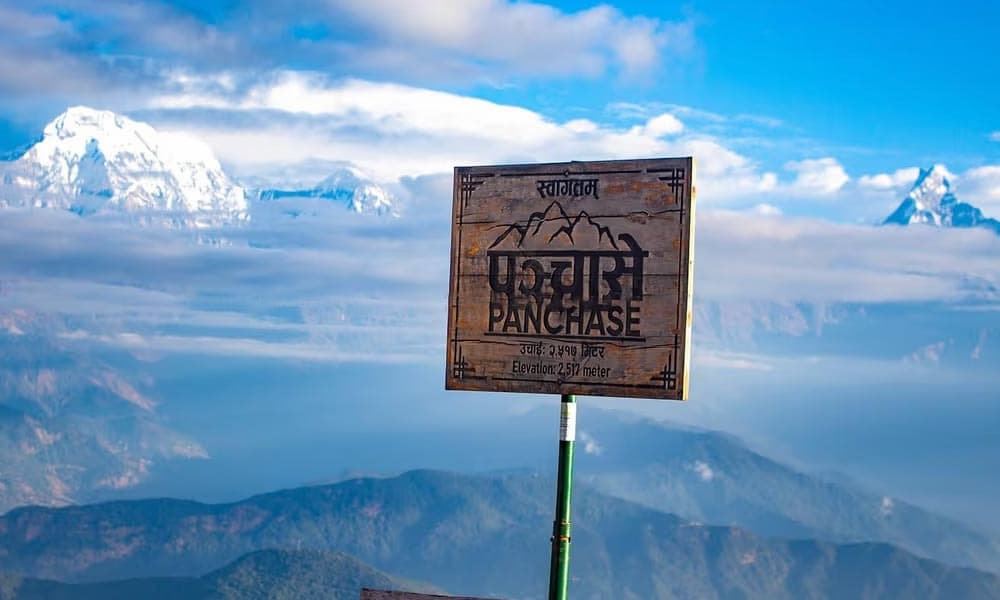
10. Panchase Trek
The Panchase Trek is a gentle hiking route through forests, villages, and scenic ridges. It is well known for panoramic Himalayan views, rich biodiversity, and cultural experiences close to Pokhara.
Duration: 3–5 days | Difficulty: Easy
Top Things to Do in the Annapurna Region
1. Go Trekking
Explore world-famous trekking routes, including Annapurna Base Camp, Annapurna Circuit, Mardi Himal, Ghorepani–Poon Hill, and Tilicho Lake, while enjoying breathtaking Himalayan scenery.
2. Watch the Sunrise
Witness unforgettable sunrise views from Poon Hill, Mardi Himal View Point, Australian Camp, and other scenic viewpoints overlooking the Annapurna and Dhaulagiri ranges.
3. Visit Traditional Mountain Villages
Experience the unique culture and warm hospitality of Gurung, Magar, Thakali, and Manangi communities in villages such as Ghandruk, Ghorepani, Marpha, and Manang.
4. Explore Annapurna Conservation Area
Discover Nepal's largest protected area, home to diverse wildlife, rhododendron forests, alpine meadows, glaciers, and spectacular mountain landscapes.
5. Visit Muktinath Temple
Visit one of Nepal's most sacred pilgrimage sites, revered by both Hindus and Buddhists for its spiritual significance and stunning Himalayan setting.
6. Relax in Natural Hot Springs
Unwind in the natural hot springs of Tatopani after trekking and enjoy a relaxing experience surrounded by beautiful mountain scenery.
7. Taste Local Cuisine
Enjoy authentic Himalayan dishes such as Dal Bhat, Thakali meals, Tibetan bread, momo, yak cheese, and fresh apple products from Marpha.
8. Enjoy Photography
Capture snow-capped peaks, traditional villages, waterfalls, alpine lakes, forests, monasteries, and some of Nepal's most spectacular mountain panoramas.
9. Experience Local Culture
Visit monasteries, attend local festivals, learn about Himalayan traditions, and experience the unique lifestyles of the mountain communities.
10. Spot Wildlife and Birds
Look for Himalayan tahr, musk deer, langurs, colorful pheasants, and hundreds of bird species while exploring the Annapurna Conservation Area.
Best Time to Visit the Annapurna Region
The Annapurna Region can be visited throughout the year, but the best trekking conditions are during spring and autumn when the weather is stable and mountain views are at their best.
Spring (March to May)
Spring is one of the best seasons to visit the Annapurna Region. Blooming rhododendron forests, pleasant temperatures, and clear mountain views make it ideal for trekking and photography.
Summer/Monsoon (June to August)
The monsoon brings lush green landscapes and fewer visitors. While lower trails can be wet and slippery, some rain-shadow areas remain suitable for trekking.
Autumn (September to November)
Autumn is the most popular trekking season, offering clear skies, comfortable temperatures, and excellent visibility. It is ideal for all major trekking routes in the Annapurna Region.
Winter (December to February)
Winter offers peaceful trails and stunning mountain views. Lower-altitude treks are comfortable, while higher passes may receive heavy snowfall and require extra preparation.
How to Reach the Annapurna Region
Most journeys to the Annapurna Region begin from Pokhara, which is easily accessible from Kathmandu by domestic flight or tourist bus. Depending on your trekking route, transportation continues by road to trailheads such as Nayapul, Kande, Ghandruk, Besisahar, Dharapani, or Jomsom.
Permits Required
Most visitors need the following permits before trekking in the Annapurna Region:
- Annapurna Conservation Area Permit (ACAP)
- TIMS Card (when applicable under current trekking regulations)
- Restricted Area Permit (required only for routes such as Nar Phu Valley)
Always check the latest permit requirements before your trip, as regulations may change.
Where to Stay
The Annapurna Region offers accommodation for every budget, from simple teahouses on trekking trails to comfortable lodges, boutique hotels, and luxury resorts around Pokhara. Most popular trekking routes have well-established teahouses providing meals, hot showers, and basic amenities.
Local Food
Enjoy a variety of local and international cuisine during your journey. Popular dishes include Dal Bhat, Thakali Set, momo, Tibetan bread, noodle soup, yak cheese, apple pie, and fresh apple products from Marpha.
Travel Tips
- Trek with a licensed guide for a safer and more enjoyable experience.
- Acclimatize properly on high-altitude treks.
- Pack warm clothing, even during spring and autumn.
- Carry cash, as ATMs are limited in remote areas.
- Respect local culture, traditions, and the natural environment.
- Purchase comprehensive travel insurance that covers high-altitude trekking.
Suggested Itineraries
- 3–5 Days: Ghorepani–Poon Hill, Royal Trek, or Panchase Trek.
- 5–7 Days: Mardi Himal Trek or Ghandruk–Dhampus Trek.
- 7–12 Days: Annapurna Base Camp Trek or Khopra Ridge Trek.
- 12–20 Days: Annapurna Circuit Trek, Tilicho Lake Trek, or Nar Phu Valley Trek.
Frequently Asked Questions (FAQs)
1. Where is the Annapurna Region located?
The Annapurna Region is located in central Nepal and is one of the country's most popular trekking destinations, with most trips starting from Pokhara.
2. What is the Annapurna Region famous for?
The region is famous for world-class trekking routes, stunning Himalayan scenery, traditional mountain villages, diverse landscapes, and rich cultural heritage.
3. What are the best treks in the Annapurna Region?
Popular treks include the Annapurna Base Camp Trek, Annapurna Circuit Trek, Mardi Himal Trek, Poon Hill Trek, and the Tilicho Lake Trek.
4. When is the best time to visit the Annapurna Region?
Spring (March–May) and autumn (September–November) are the best seasons for trekking, offering clear skies, pleasant temperatures, and excellent mountain views.
5. Do I need a permit to trek in the Annapurna Region?
Yes. Most trekkers require an Annapurna Conservation Area Permit (ACAP), and some routes may require additional permits depending on the itinerary.
6. How difficult are Annapurna treks?
The region offers treks for all experience levels, from easy hikes like the Royal Trek to challenging adventures such as the Annapurna Circuit and Nar Phu Valley Trek.
7. Can beginners trek in the Annapurna Region?
Yes. Short treks such as Ghorepani–Poon Hill, Panchase, and Australian Camp are ideal for beginners and families.
8. How many days do I need for an Annapurna trek?
Depending on the route, treks can last from 3 to 20 days. Popular options include 4–5 day short treks and 7–12 day journeys to Annapurna Base Camp.
9. Is altitude sickness a concern?
Yes. Treks above 2,500 meters can present a risk of altitude sickness. Proper acclimatization, hydration, and a gradual ascent are important for a safe journey.
10. Can I stay in teahouses during the trek?
Yes. Most trekking routes have comfortable teahouses offering accommodation, meals, and basic facilities.
11. Is the Annapurna Region suitable for family holidays?
Yes. Several shorter trekking routes and village hikes are suitable for families, nature lovers, and travelers looking for a relaxed Himalayan experience.
12. Why book your Annapurna trip with Shepherd Holidays?
Shepherd Holidays offers experienced local guides, customized itineraries, reliable logistics, quality service, and memorable trekking experiences throughout the Annapurna Region.