The Everest Base Camp, Cho La Pass, Gokyo Ri Trek is an adventurous and comprehensive journey through the Everest region, combining the classic trek to Everest Base Camp with the serene beauty of the Gokyo Lakes and the thrill of crossing the Cho La Pass. This trek offers trekkers the opportunity to experience the majestic Himalayas, the rich Sherpa culture, and the stunning landscapes of the Khumbu region.
Trip Fact
DestinationNepal
Durations18 days
Trip DifficultyChallenging
ActivitiesTrekking
AccommodationHotel/Resort in City and Guest House during Trek
MealsBreakfast in City & All Meals during Trek
Mx.altitude5500m.
VehicleDrive, Flight & Trek
Group SizeMin. 1 Pax
Overview
Highlights
The feeling of reaching Everest Base Camp.
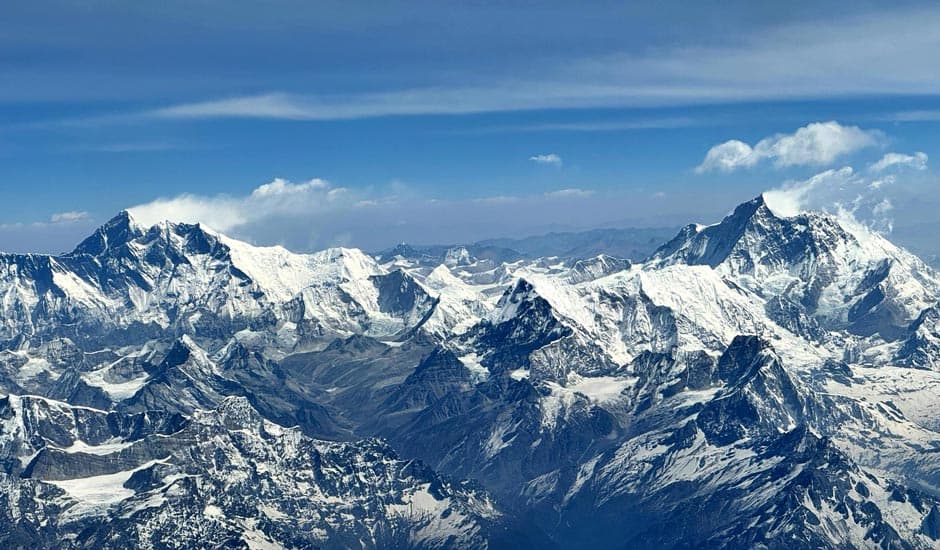
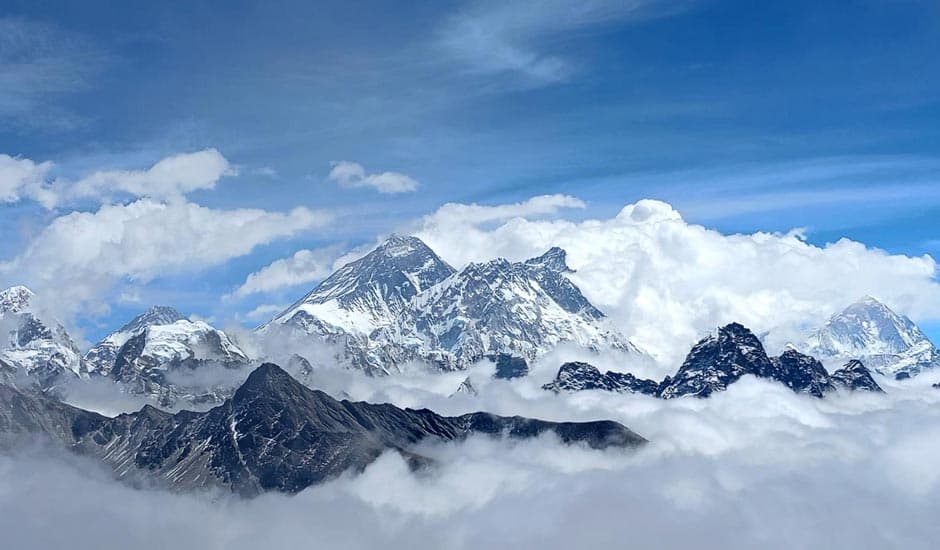
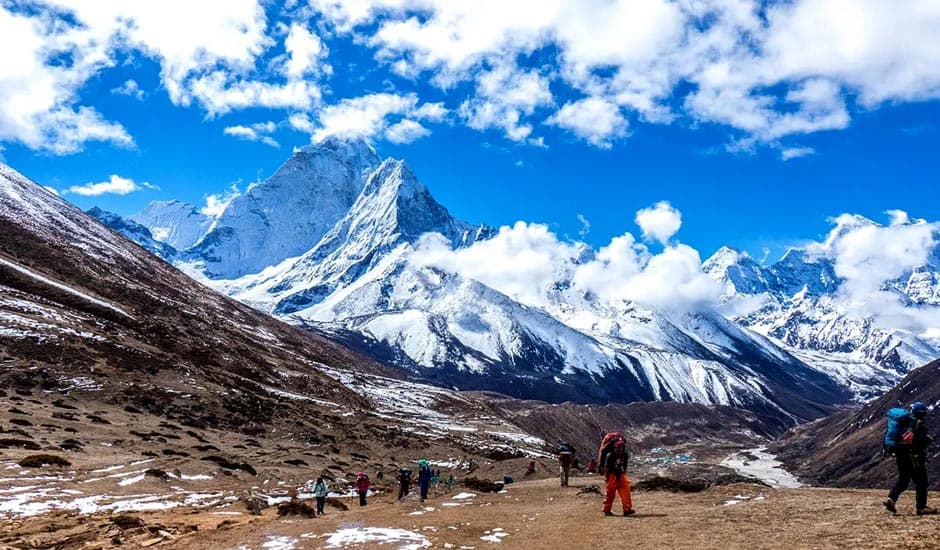
The fantastic views from Kala Patthar of Mt. Everest, Ama Dablam, Lhotse, and many other peaks.
See the world-class mountaineers preparing for their Everest ascent.
Experience the culture, hospitality, and day-to-day lifestyle of the Sherpa ethnic group.
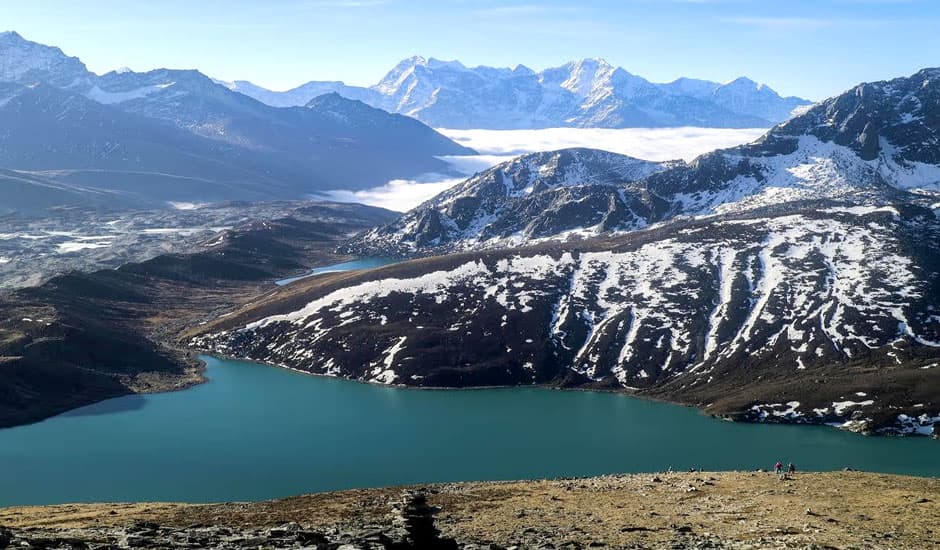
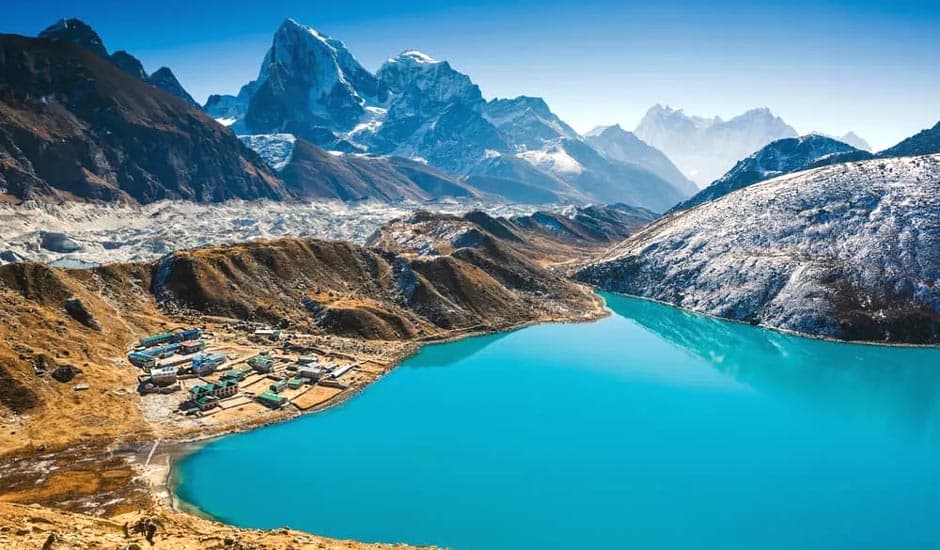
Become mesmerized by the turquoise waters of the alpine Gokyo Lakes.
The Everest Base Camp, Cho La Pass, Gokyo Ri Trek is a thrilling adventure that takes you to the foot of the highest mountain in the world, Mount Everest. This challenging trek combines the classic Everest Base Camp route with a visit to the stunning Gokyo Lakes and a crossing of the formidable Cho La Pass. The trek offers breathtaking views of the Himalayas, including Everest, Lhotse, Nuptse, and Makalu.
The Gokyo Cho La Pass Trek is one of the most rewarding trekking adventures in Nepal, combining the tranquil beauty of the Gokyo Lakes with the excitement of crossing the high-altitude Cho La Pass (5,420 m) before continuing to the legendary Everest Base Camp. This spectacular circuit showcases the very best of the Everest region, including turquoise glacial lakes, the impressive Ngozumpa Glacier, panoramic Himalayan viewpoints, Sherpa villages, ancient monasteries, and close-up views of Mount Everest.
Ideal for experienced trekkers seeking a more adventurous alternative to the classic Everest Base Camp Trek, this journey offers breathtaking scenery, fewer crowds along the Gokyo Valley, and the unforgettable achievement of crossing one of Nepal's most famous Himalayan passes.
Trip Facts
Trip Detail
Information
Duration
15 Days
Destination
Everest Region, Nepal
Maximum Altitude
5,420 m (Cho La Pass)
Everest Base Camp
5,364 m
Kala Patthar
5,545 m
Difficulty
Challenging
Accommodation
Hotel & Mountain Teahouses
Meals
Breakfast in Kathmandu, Full Board During Trek
Transportation
Domestic Flight & Private Vehicle
Best Season
March–May & September–November
Group Size
1–12 (Private & Group Departures)
Start / End
Kathmandu
Why Choose the Gokyo Cho La Pass Trek?
If you're looking for more than the traditional Everest Base Camp Trek, the Gokyo Cho La Pass Trek offers an unforgettable combination of adventure, scenery, and cultural experiences. Instead of following a single out-and-back route, this trek forms a scenic circuit through the Everest region, allowing you to experience both the peaceful Gokyo Valley and the iconic Everest Base Camp trail.
Crossing the challenging Cho La Pass adds an exciting alpine adventure while rewarding trekkers with dramatic glacier views and unforgettable mountain panoramas. The journey is ideal for those who enjoy physically demanding treks and want to explore some of the most beautiful landscapes in the Himalayas.
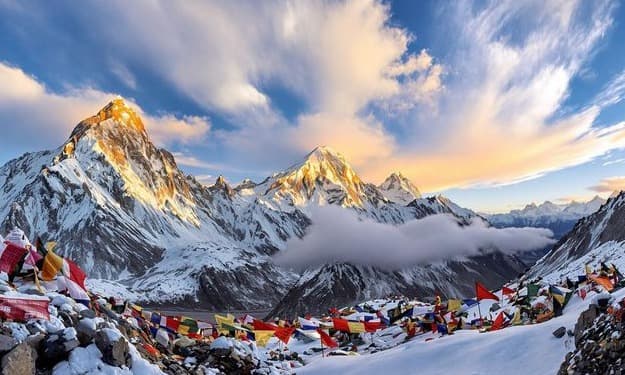
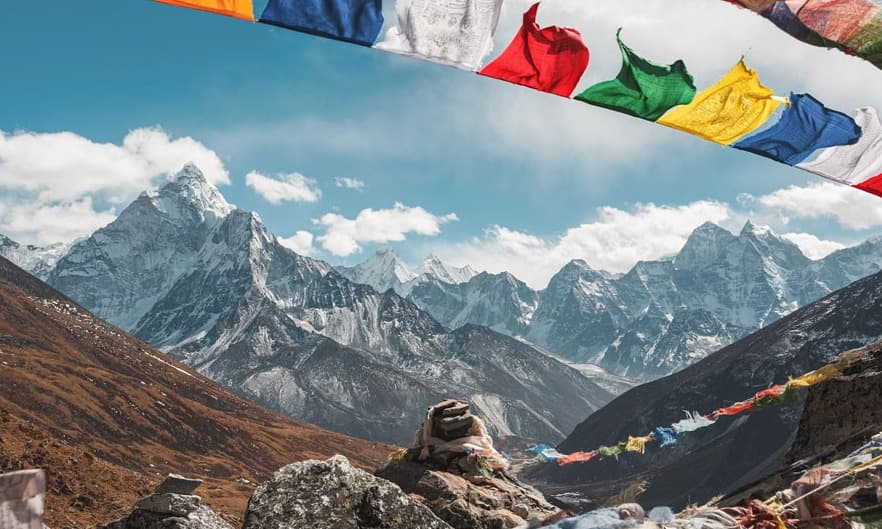
The adventure begins with a scenic flight from Kathmandu to Lukla before trekking through the beautiful Khumbu Valley. Following the Dudh Koshi River, you'll pass traditional Sherpa villages, colorful prayer flags, suspension bridges, and forests of rhododendron and pine before arriving in the lively mountain town of Namche Bazaar.
After acclimatizing in Namche, the trail leaves the classic Everest Base Camp route and heads toward the peaceful Gokyo Valley. Trek through alpine landscapes to reach the breathtaking Gokyo Lakes, where brilliant turquoise waters contrast beautifully against snow-covered peaks and rugged mountain terrain.
A sunrise climb to Gokyo Ri offers one of the finest panoramic viewpoints in the Himalayas, with spectacular views of Mount Everest, Lhotse, Makalu, Cho Oyu, and the immense Ngozumpa Glacier stretching across the valley below.
The adventure continues with one of the trek's biggest highlights—the crossing of Cho La Pass (5,420 m). This challenging section rewards trekkers with dramatic glacier scenery and unforgettable mountain landscapes before descending to Dzongla and rejoining the classic Everest Base Camp trail.
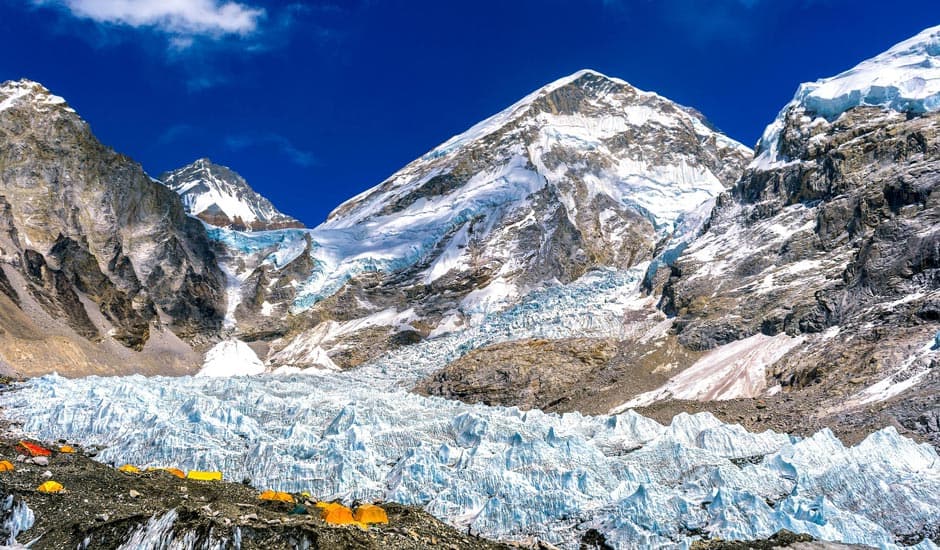
From here, you'll continue through Lobuche to Everest Base Camp, where climbers from around the world prepare for their ascent of Mount Everest. An early morning hike to Kala Patthar provides breathtaking sunrise views over Everest and the surrounding Himalayan giants before descending back through Pheriche, Namche Bazaar, and Lukla.
Combining pristine alpine lakes, high mountain passes, glaciers, Sherpa culture, and Nepal's most iconic trekking destinations, the Gokyo Cho La Pass Trek is widely considered one of the finest trekking experiences in the Himalayas.
Why You'll Love This Trek
Experience both Gokyo Lakes and Everest Base Camp in one trek.
Cross the spectacular Cho La Pass at 5,420 meters.
Enjoy panoramic sunrise views from Gokyo Ri and Kala Patthar.
Trek beside Nepal's longest glacier, the Ngozumpa Glacier.
Discover authentic Sherpa villages and Buddhist monasteries.
Experience quieter trails before joining the classic Everest route.
Perfect for experienced trekkers seeking a complete Everest adventure.
Explore the best landscapes the Everest region has to offer.
Best Time for the Gokyo Cho La Pass Trek
The ideal seasons are spring (March to May) and autumn (September to November), when stable weather, clear skies, and moderate temperatures provide the best trekking conditions. Cho La Pass may become more challenging during winter due to snow and ice, while the summer monsoon can bring rain and reduced visibility.
Trek Difficulty
The Gokyo Cho La Pass Trek is considered challenging due to its high altitude, long trekking days, and the crossing of Cho La Pass (5,420 m). Previous high-altitude trekking experience is helpful, although fit and well-prepared trekkers can complete the journey successfully with proper acclimatization and guidance.
Accommodation & Meals
Accommodation includes comfortable hotels in Kathmandu and traditional mountain teahouses throughout the trek. Rooms are generally twin-sharing, with shared bathroom facilities at higher elevations. During the trek, three freshly prepared meals are provided daily, offering a mix of Nepali, Tibetan, and international cuisine.
Transportation
Private airport transfers in Kathmandu.
Domestic flights between Kathmandu and Lukla (or Ramechhap–Lukla during peak flight operations, subject to airline schedules).
Required Permits
Sagarmatha National Park Entry Permit.
Khumbu Pasang Lhamu Rural Municipality Permit.
Shepherd Holidays arranges all required permits before your trek begins.
Why Trek with Shepherd Holidays?
Trusted local trekking company serving travelers since 2006.
Experienced, licensed, and knowledgeable trekking guides.
Carefully planned itineraries with proper acclimatization.
Small group departures and personalized service.
High safety standards with experienced support staff.
Comfortable teahouse accommodation throughout the trek.
Transparent pricing with no hidden charges.
Sustainable and responsible trekking practices.
24/7 customer support from arrival to departure.
Frequently Asked Questions
Is the Gokyo Cho La Pass Trek harder than the Everest Base Camp Trek?
Yes. Crossing Cho La Pass makes this trek more demanding than the standard Everest Base Camp Trek, requiring good fitness and confidence on steep, rocky terrain.
Do I need technical climbing skills?
No. Technical climbing is not required, but the Cho La Pass can involve snow, ice, and uneven terrain depending on the season. Your guide will assist you throughout the crossing.
What is the highest point of the trek?
The highest point is Kala Patthar (5,545 m). The highest mountain pass crossed is Cho La Pass (5,420 m).
Can beginners join this trek?
This trek is better suited to trekkers with good physical fitness and preferably some previous multi-day trekking experience.
Why choose this trek instead of Everest Base Camp?
This itinerary combines the best of both worlds - Gokyo Lakes, Cho La Pass, Everest Base Camp, and Kala Patthar - making it one of the most comprehensive trekking experiences in the Everest region.
Detail Itinerary
Expand all +
1Day 01
Arrival in Kathmandu and transfer to the hotel.
After your arrival at Tribhuvan International Airport, Kathmandu, our airport representative will greet you with khada (typical traditional Tibetian/Nepali scaff using for greetings) and escort you to the hotel. In the afternoon, you can take rest or explore the streets of Thamel nearby your hotel. In the evening, we will organize a short pre-trip meeting and introduce you with your trekking guide, who will brief you about the preparations to be done for the trip.
Overnight at Hotel
2Day 02
Fly from Kathmandu to Lukla (2,860 m) and Trek to Phakding (2,610 m)
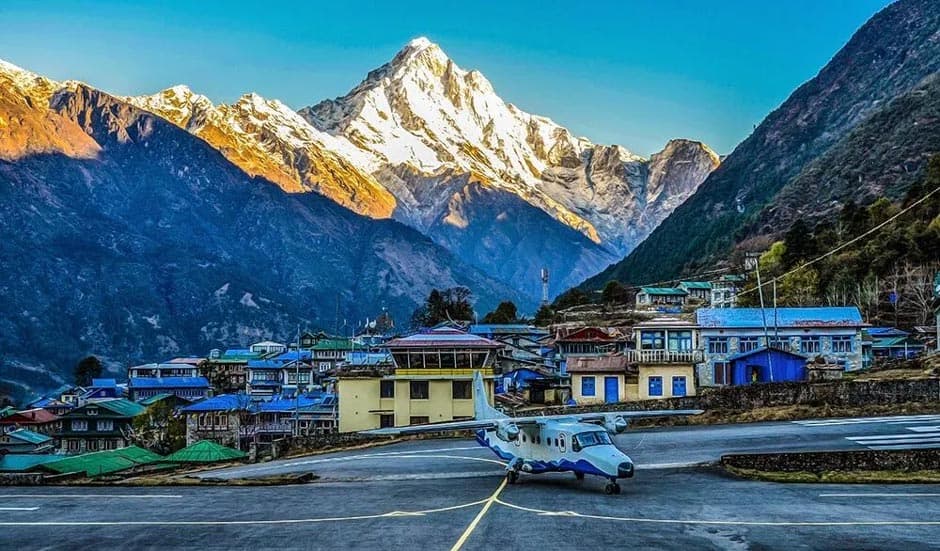
Your adventure begins with an early morning flight from Kathmandu to Lukla, one of the world's most exciting mountain airports. After meeting your guide and porter, begin an easy trek through traditional Sherpa villages, crossing suspension bridges over the Dudh Koshi River before arriving at Phakding.
Walking Duration: 3–4 hours
Accommodation: Teahouse
Meals: Breakfast, Lunch & Dinner
3Day 03
Trek from Phakding to Namche Bazaar (3,440 m)
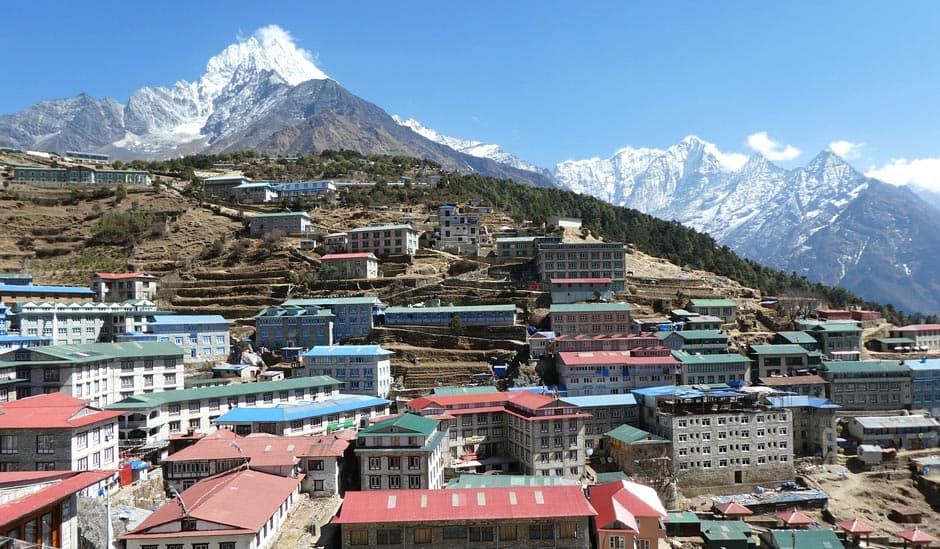
Follow the Dudh Koshi River through pine forests and charming villages while crossing several suspension bridges, including the famous Hillary Suspension Bridge. Enter Sagarmatha National Park before making the final climb to Namche Bazaar, the vibrant trading center of the Khumbu region.
Walking Duration: 6–7 hours
Accommodation: Teahouse
Meals: Breakfast, Lunch & Dinner
4Day 04
Acclimatization Day in Namche Bazaar
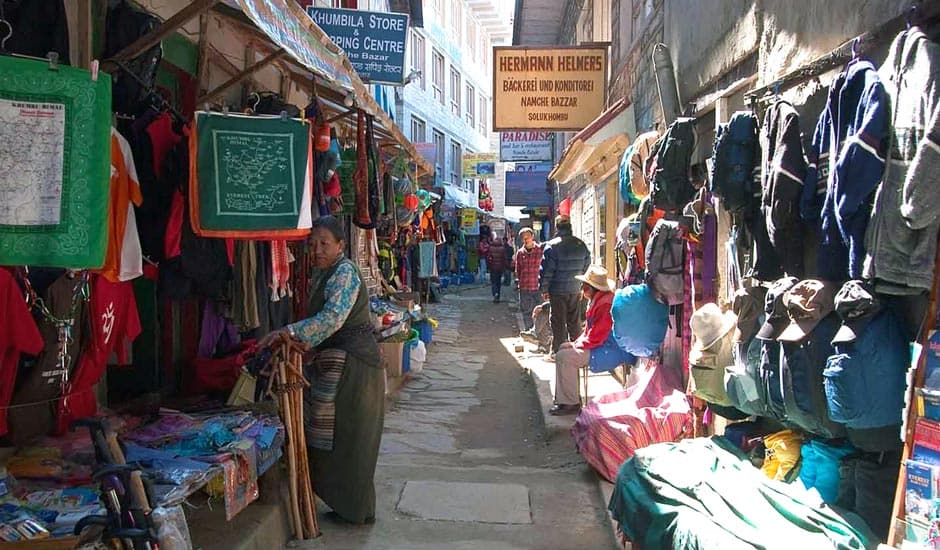
Spend the day acclimatizing to the higher altitude. Hike to the Everest View Hotel for panoramic views of Mount Everest, Ama Dablam, Lhotse, and Thamserku. You may also visit the Sherpa Museum, local market, or enjoy a coffee at one of Namche's mountain cafés.
Walking Duration: 3–4 hours
Accommodation: Teahouse
Meals: Breakfast, Lunch & Dinner
5Day 05
Trek from Namche Bazaar to Dole (4,110 m)
Leave the main Everest Base Camp trail and head toward the peaceful Gokyo Valley. Pass Kyangjuma, Mong La, and Phortse Tenga before climbing through rhododendron forests and alpine landscapes to the small settlement of Dole.
Walking Duration: 6–7 hours
Accommodation: Teahouse
Meals: Breakfast, Lunch & Dinner
6Day 06
Trek from Dole to Machhermo (4,470 m)
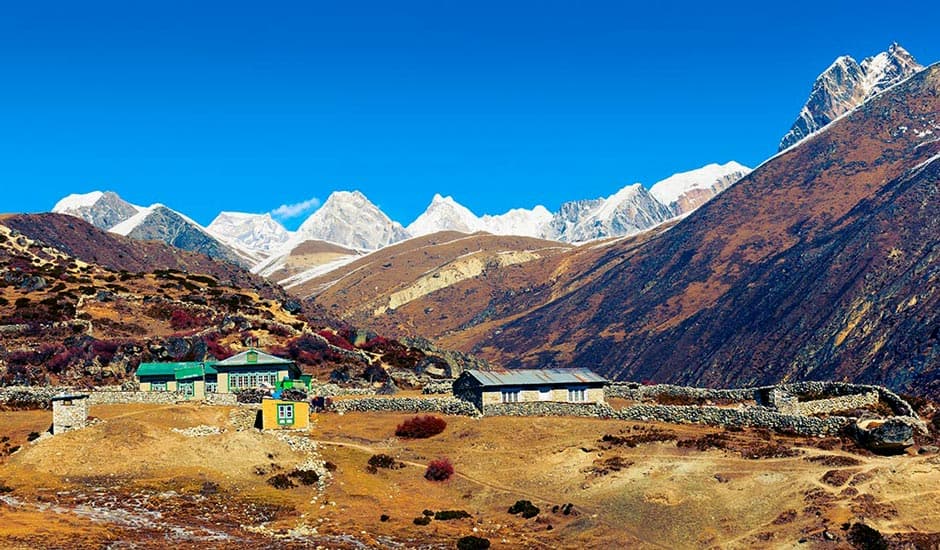
Continue ascending through open alpine terrain with magnificent views of Cho Oyu, Kangtega, and Thamserku. The trail passes yak grazing pastures and small settlements before reaching Machhermo, a picturesque village surrounded by dramatic Himalayan scenery.
Walking Duration: 4–5 hours
Accommodation: Teahouse
Meals: Breakfast, Lunch & Dinner
7Day 07
Trek from Machhermo to Gokyo (4,790 m)
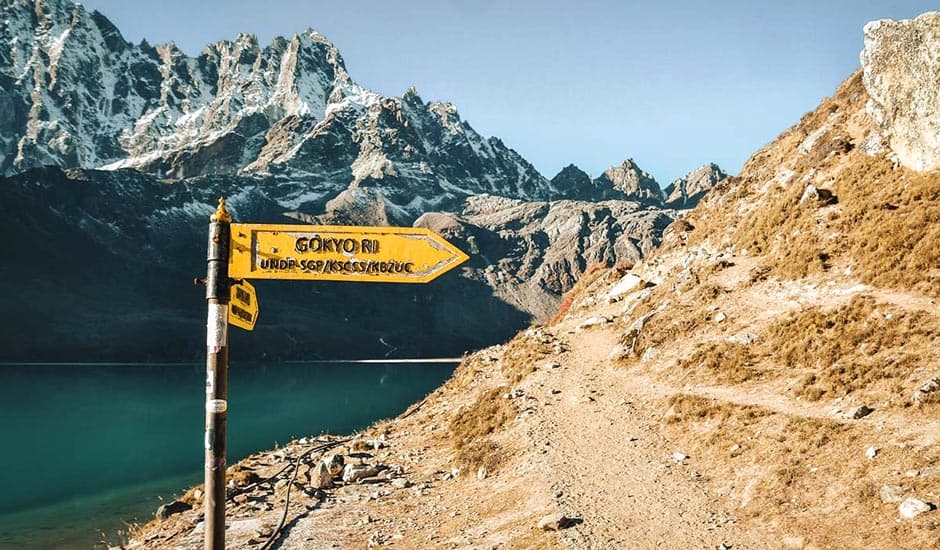
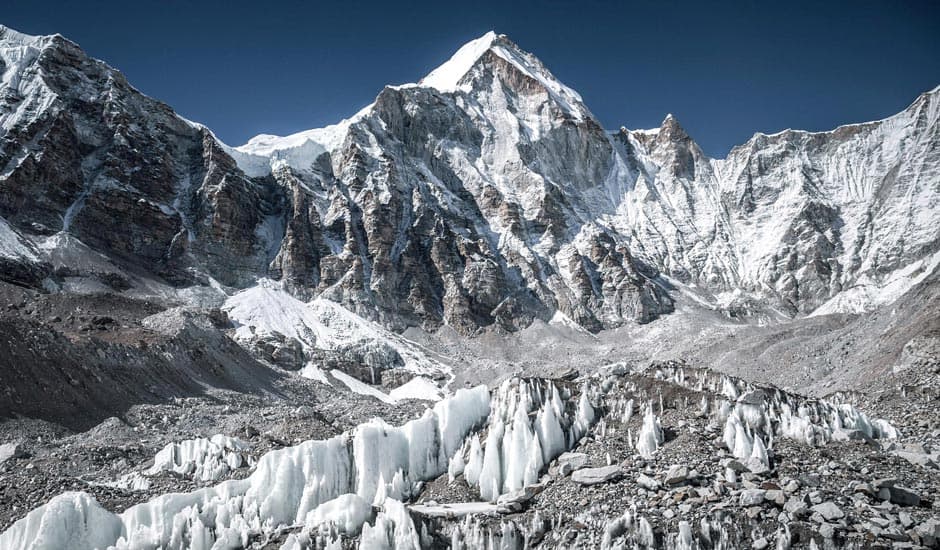
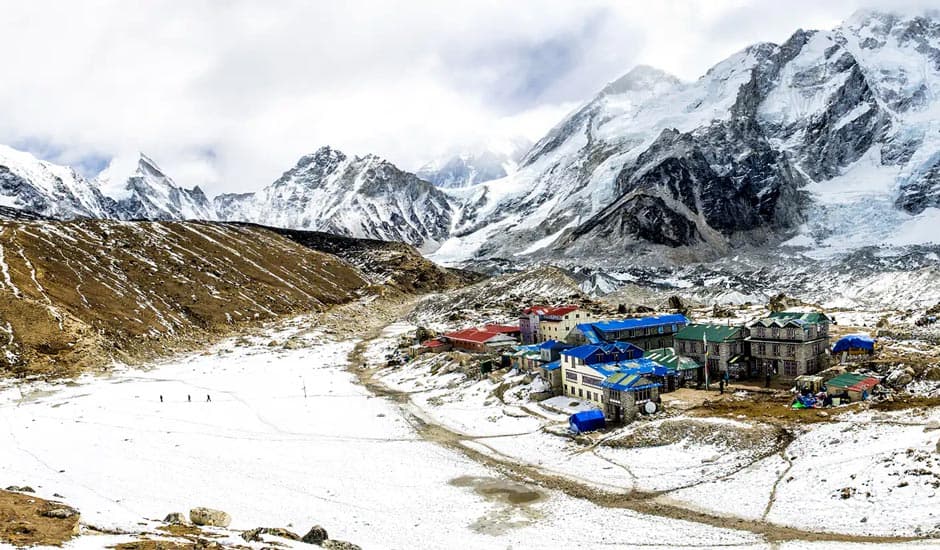
Today's trail follows the edge of the impressive Ngozumpa Glacier. Pass the first and second Gokyo Lakes before arriving at the beautiful third lake, where the village of Gokyo sits beneath towering Himalayan peaks. Enjoy the peaceful atmosphere and remarkable scenery.
Walking Duration: 4–5 hours
Accommodation: Teahouse
Meals: Breakfast, Lunch & Dinner
8Day 08
Sunrise Hike to Gokyo Ri (5,357 m) and Return to Gokyo
Wake early for the climb to Gokyo Ri, one of the finest viewpoints in Nepal. From the summit, enjoy panoramic views of Mount Everest, Lhotse, Makalu, Cho Oyu, and the expansive Ngozumpa Glacier. Return to Gokyo for breakfast and spend the afternoon relaxing by the beautiful glacial lake.
Walking Duration: 4–5 hours
Accommodation: Teahouse
Meals: Breakfast, Lunch & Dinner
9Day 09
Trek from Gokyo to Thagnak (4,700 m)
Cross the Ngozumpa Glacier on a rugged but rewarding trail before reaching the small settlement of Thagnak. Rest here and prepare for the challenging Cho La Pass crossing the following day.
Walking Duration: 4–5 hours
Accommodation: Teahouse
Meals: Breakfast, Lunch & Dinner
10Day 10
Cross Cho La Pass (5,420 m) and Trek to Dzongla (4,830 m)
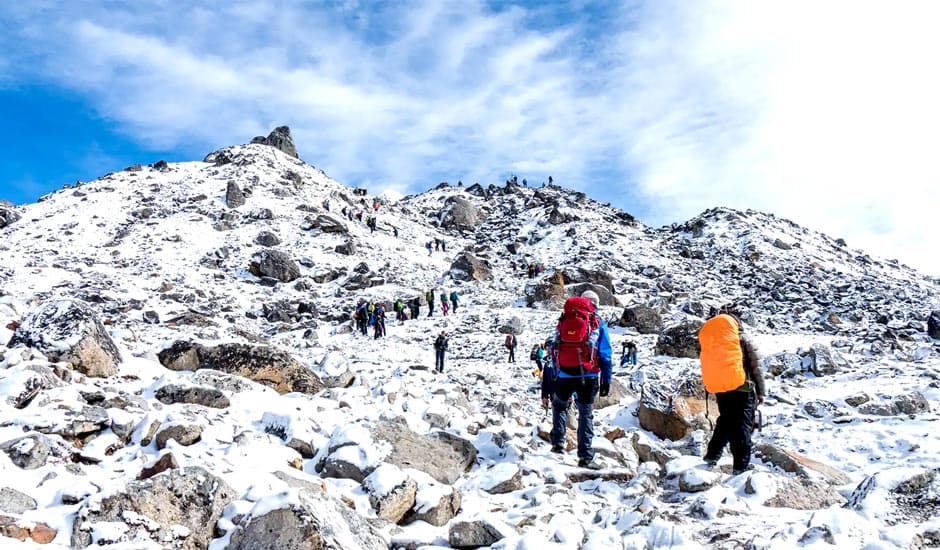
Today is the most adventurous day of the trek. Begin early to cross the spectacular Cho La Pass, navigating rocky trails and, depending on the season, sections of snow and ice. From the top, enjoy breathtaking views of glaciers and surrounding Himalayan peaks before descending carefully to Dzongla.
Walking Duration: 7–8 hours
Accommodation: Teahouse
Meals: Breakfast, Lunch & Dinner
11Day 11
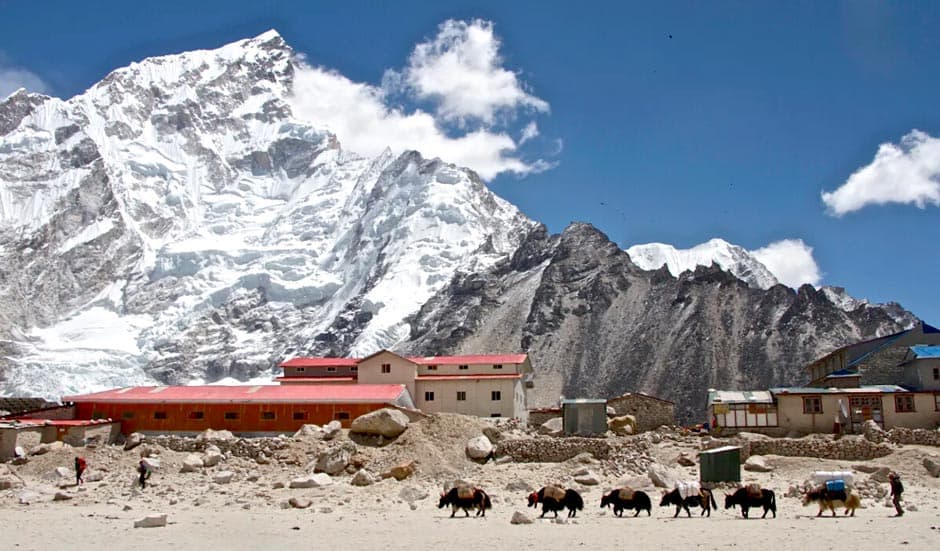
Trek from Dzongla to Lobuche (4,940 m) and Everest Base Camp (5,364 m), Return to Gorakshep (5,164 m)
Join the classic Everest Base Camp route and continue to Gorakshep before trekking to the legendary Everest Base Camp. Stand at the foot of the world's highest mountain beside the Khumbu Glacier and Icefall before returning to Gorakshep for the night.
Walking Duration: 7–8 hours
Accommodation: Teahouse
Meals: Breakfast, Lunch & Dinner
12Day 12
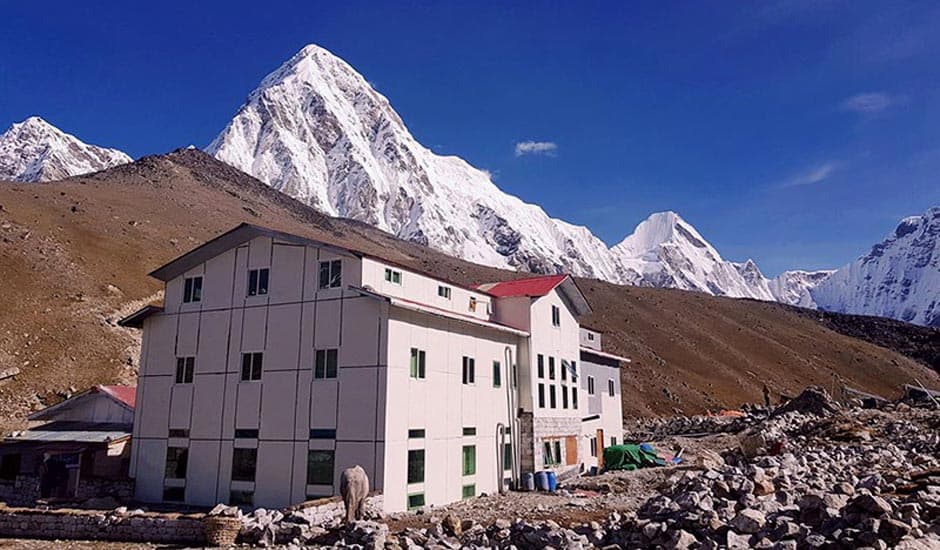
Sunrise at Kala Patthar (5,545 m) and Trek to Pheriche (4,240 m)
Rise before dawn to climb Kala Patthar, the most famous viewpoint in the Everest region. Witness an unforgettable sunrise over Mount Everest, Nuptse, Pumori, and Lhotse before descending through Gorakshep and Lobuche to the village of Pheriche.
Walking Duration: 7–8 hours
Accommodation: Teahouse
Meals: Breakfast, Lunch & Dinner
13Day 13
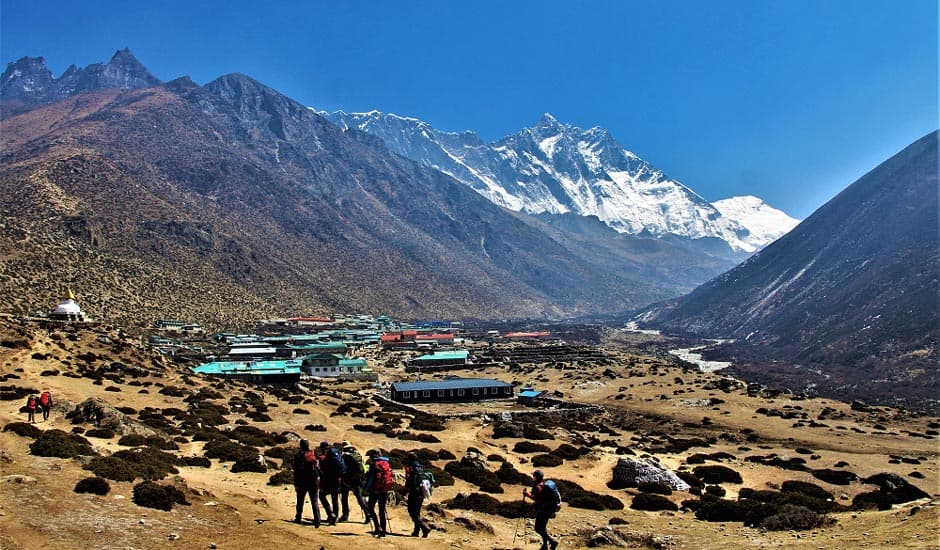
Trek from Pheriche to Namche Bazaar
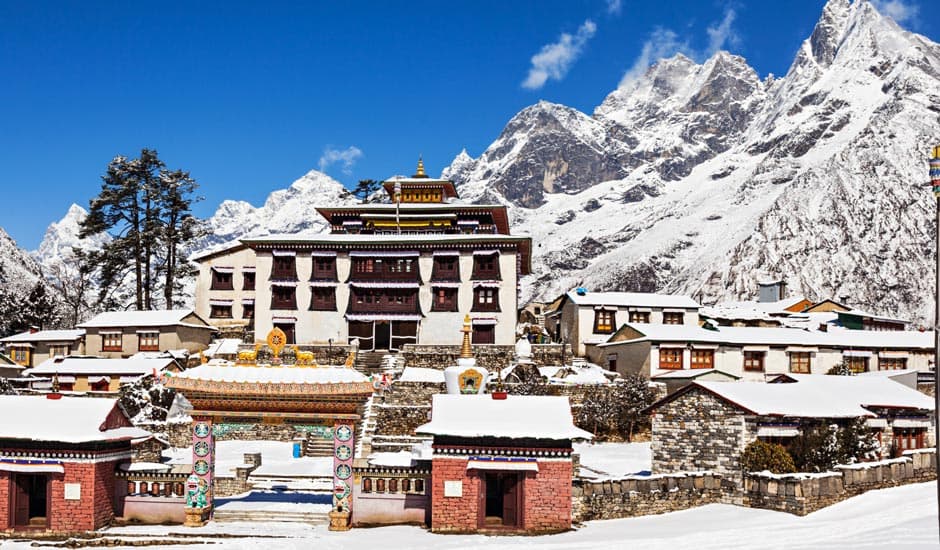
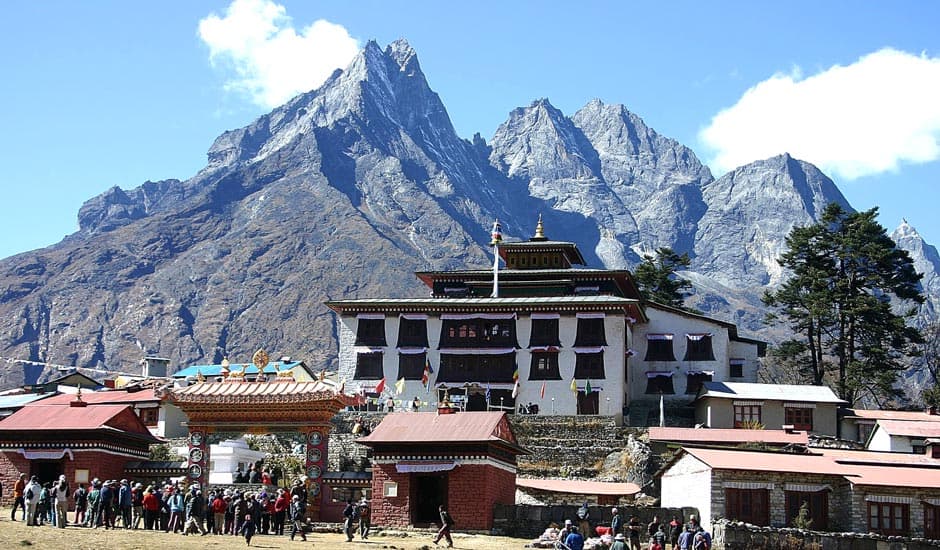
Descend through Pangboche and Tengboche, passing ancient monasteries, forests, and traditional Sherpa villages before returning to Namche Bazaar for a comfortable overnight stay.
Walking Duration: 6–7 hours
Accommodation: Teahouse
Meals: Breakfast, Lunch & Dinner
14Day 14
Trek from Namche Bazaar to Lukla
Retrace your steps through Sagarmatha National Park, crossing suspension bridges and following the Dudh Koshi River back to Lukla. Celebrate the successful completion of your Himalayan adventure with your trekking team.
Walking Duration: 6–7 hours
Accommodation: Teahouse
Meals: Breakfast, Lunch & Dinner
15Day 15
Fly from Lukla to Kathmandu
Take an early morning flight back to Kathmandu. Upon arrival, transfer to your hotel and enjoy a well-deserved rest or explore the vibrant streets of Thamel.
Accommodation: Hotel
Meals: Breakfast
16Day 16
Departure
After breakfast, our representative will transfer you to Tribhuvan International Airport for your onward flight. We hope your Gokyo Cho La Pass Trek leaves you with unforgettable memories of Nepal's breathtaking Himalayan landscapes and warm Sherpa hospitality.
Meals: Breakfast
If the provided schedule isn't suitable for you, we are able to create personalized travel arrangements according to your preferences and requirements.
some essential things to know about the Everest Base Camp – Cho La Pass – Gokyo Ri Trek:
Physical Fitness: This trek involves challenging terrain and high altitudes. Prior hiking experience and a good level of physical fitness are essential.
Altitude Acclimatization: Proper acclimatization is crucial to prevent altitude sickness. The trek itinerary includes rest days and gradual ascents to help your body adjust to the altitude.
Pack Light: Carry only essential items as you'll be carrying your own gear throughout the trek. Pack layers for varying weather conditions and sturdy hiking boots.
Weather Conditions: Be prepared for unpredictable weather, including cold temperatures, strong winds, and potential snowfall, especially at higher altitudes.
Permits: Ensure you have all the necessary permits for trekking in the Everest region, including the Sagarmatha National Park Entry Permit and TIMS card.
Guides and Porters: Consider hiring a local guide and porter for navigation assistance, safety, and cultural insights. They can also help lighten your load during the trek.
Hydration and Nutrition: Stay hydrated by drinking plenty of water and carry water purification tablets. Eat nutritious meals to sustain your energy levels throughout the trek.
Altitude Sickness Awareness: Familiarize yourself with the symptoms of altitude sickness and know when to descend if you experience severe symptoms. Your guide can provide assistance and advice.
Emergency Evacuation: Be aware of the emergency evacuation procedures in case of any medical emergencies. Make sure you have comprehensive travel insurance that covers trekking activities.
Responsible Trekking: Practice responsible trekking by respecting the environment, local culture, and fellow trekkers. Dispose of waste properly and support local communities along the way.
By keeping these essential tips in mind, you can ensure a safe, enjoyable, and memorable Everest Base Camp – Cho La Pass – Gokyo Ri Trek.
Everest Base Camp – Cho La Pass – Gokyo Ri Trek is very thrilling trek. Chola Pass was really a beautiful day of my lifetime. Guide Mr Deepak and porters of Shepherd Holidays are kind hearted and helpful. They did their best to help us and run the trek smoothly. Highly recommended these guys. Cheers!
FAQS
Q1. What safety measures are in place during the tour?
likely, our guide also hold knowledge of first aid and safety measures they can help you in certain conditions or else we organize rescue operations.
Q2. Are there any health precautions I should be aware of?
Before involving in tour you must have proper diagnosis of your health condition and take your decision.
Q3. Who will be leading the tour?
We provide experienced and helpful guide with proper communicative skills throughout the overall tour.
Q4. Can I customize my tour itinerary?
Yeah, Ofcourse we can provide a proper tailor made itinary according to your terms and conditions regarding the package.
✕
MAKE AN INQUIRY
You may also Like
Explore more trips you may be interested in our customized holidays and make your entire trips exclusively outstanding. Also, you can ask for tailor-made trips on your expectations.




 Price start fromUS $1400
 Price start fromUS $599
 Price start fromUS $2299