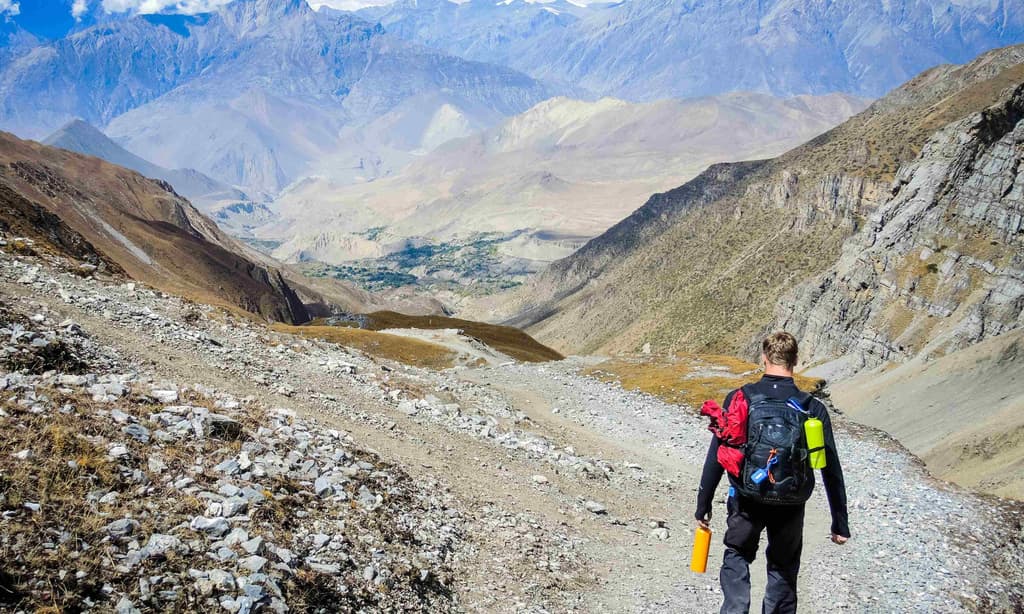


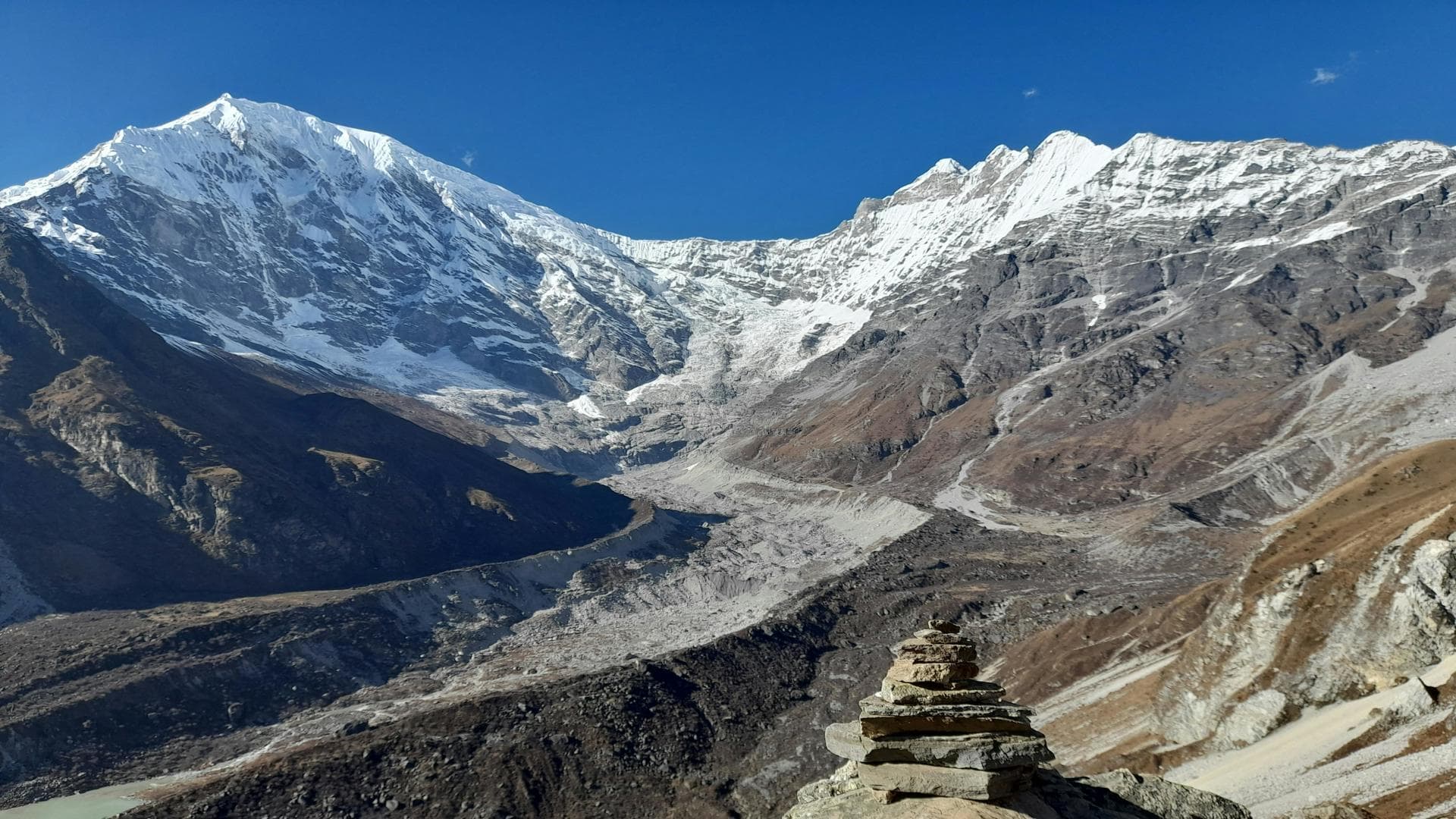
Langtang Valley Trek is one of Nepal’s most beautiful and accessible Himalayan trekking adventures, offering stunning mountain views, rich Tamang culture, ancient monasteries, diverse landscapes, and authentic village experiences close to Kathmandu. Located inside the Langtang National Park, this trek takes you through lush forests, traditional mountain settlements, alpine meadows, and the spectacular Langtang Valley surrounded by peaks such as Langtang Lirung, Ganchenpo, Dorje Lakpa, and Yala Peak.
Trek at a Glance
| Trip Overview | Details |
|---|---|
| Destination | Langtang Region, Nepal |
| Trip Name | Langtang Valley Trek |
| Duration | 10 Days (Kathmandu to Kathmandu) |
| Trek Duration | 7 Days |
| Maximum Elevation | Tserko Ri (4,984 m) (Optional) |
| Highest Overnight Stay | Kyanjin Gompa (3,870 m) |
| Difficulty Level | Moderate |
| Accommodation | Tourist Hotel in Kathmandu & Local Tea Houses During Trek |
| Meals During Trek | Breakfast, Lunch & Dinner |
| Transportation | Tourist Bus or Private Jeep |
| Best Seasons | Spring (Mar–May) & Autumn (Sep–Nov) |
| Start / End Point | Kathmandu |
| Trek Starting Point | Syabrubesi |
| Trek Ending Point | Syabrubesi |
| Walking Hours | 5–7 Hours Per Day |
| Group Size | 1–16 People (Private & Small Groups Available) |
| Permits Required | Langtang National Park Entry Permit & TIMS (if applicable) |
| Major Attractions | Langtang National Park, Langtang Village, Kyanjin Gompa, Kyanjin Ri, Tserko Ri, Tamang Culture |
| Best For | Nature Lovers, Cultural Explorers, Families, First-Time Trekkers & Adventure Seekers |
Unlike many longer Himalayan treks, the Langtang Valley Trek can be completed within a shorter timeframe while still offering an unforgettable Himalayan experience. The trail begins with a scenic drive from Kathmandu to Syabrubesi and gradually climbs through beautiful villages including Lama Hotel, Langtang Village, and Kyanjin Gompa.
The highlight of the trek is reaching Kyanjin Gompa, a beautiful Himalayan settlement surrounded by snow-covered peaks. From here, trekkers can explore viewpoints like Kyanjin Ri and Tserko Ri, offering breathtaking panoramic views of the Langtang Himalayan range.
The trek also provides an opportunity to experience the unique traditions of the Tamang people, visit Buddhist monasteries, enjoy authentic Himalayan hospitality, and discover the natural beauty of Langtang National Park, home to diverse wildlife including red pandas, Himalayan black bears, and various bird species.
Perfect for first-time trekkers, families, couples, and adventure seekers looking for a less crowded Himalayan trail, the Langtang Valley Trek combines natural beauty, culture, and adventure within a manageable itinerary.
Quick Facts
Trek Name: Langtang Valley Trek
Duration: 7 Days / 8 Days / 10 Days (recommended option: 10 Days)
Destination: Langtang Region, Nepal
Maximum Elevation: 4,984 m (Tserko Ri) / 4,773 m (Kyanjin Ri)
Difficulty: Moderate
Best Seasons: March–May and September–November
Starting Point: Kathmandu
Ending Point: Kathmandu
Accommodation: Tea House Lodge
Transportation: Private Jeep/Bus
Permit Required: Langtang National Park Permit & TIMS Card
Why Choose the Langtang Valley Trek?
The Langtang Valley Trek offers everything that makes trekking in Nepal extraordinary: snow-capped mountains, rich cultural heritage, pristine forests, glacial rivers, and rewarding high-altitude viewpoints; all within a relatively short itinerary. Whether you're visiting Nepal for the first time or returning to explore a quieter region, Langtang provides an authentic Himalayan experience away from the larger crowds.
The Langtang Valley Trek also carries a powerful story of resilience. In 2015, the devastating Nepal earthquake and the resulting avalanche destroyed much of Langtang Village, claiming many lives. Today, the village has been rebuilt through the determination of the local community, and trekking here directly supports families who have worked tirelessly to restore their homes, lodges, and livelihoods. Every visit contributes to sustainable tourism and helps preserve the unique culture and traditions of the valley.
With a moderate level of difficulty, the Langtang Valley Trek is suitable for first-time trekkers with good fitness as well as experienced hikers looking for a shorter yet equally rewarding Himalayan adventure. The well-maintained trails, comfortable tea house accommodation, gradual altitude gain, and flexible itinerary make it an excellent option for solo travelers, couples, families with older children, and small groups.
Whether you are drawn by spectacular mountain scenery, peaceful trekking trails, authentic cultural encounters, or the chance to experience one of Nepal's most beautiful national parks, the Langtang Valley Trek promises an adventure filled with unforgettable memories. From the vibrant forests of the lower valley to the glacial landscapes surrounding Kyanjin Gompa, every day offers new discoveries, making this trek one of the finest short Himalayan journeys in Nepal.
A Classic Himalayan Trek Close to Kathmandu
Unlike many famous trekking routes that require domestic flights or lengthy travel, the Langtang Valley Trek begins with a scenic drive from Kathmandu. This makes it one of Nepal's most convenient Himalayan treks while still delivering spectacular mountain scenery and a genuine wilderness experience.
Spectacular Mountain Views
Throughout the trek, you'll be surrounded by dramatic Himalayan landscapes featuring:
- Langtang Lirung (7,227 m)
- Ganchenpo (6,387 m)
- Dorje Lakpa (6,966 m)
- Yala Peak (5,520 m)
- Naya Kanga (5,844 m)
- Langshisha Ri (6,427 m)
From Kyanjin Ri and Tserko Ri, you'll enjoy sweeping 360-degree views that rank among the finest in Nepal.
Rich Tamang Culture & Buddhist Heritage
The Langtang region is home to the Tamang people, whose culture has deep Tibetan roots. Along the trail, you'll encounter intricately carved mani walls, colorful prayer flags, spinning prayer wheels, traditional stone houses, and centuries-old monasteries that offer a glimpse into Himalayan Buddhist traditions.
Explore Langtang National Park
Established in 1976, Langtang National Park protects a remarkable range of ecosystems, from subtropical forests to alpine landscapes. The park is known for its rich biodiversity and is one of the best places in Nepal to appreciate Himalayan flora and fauna.
A Perfect Balance of Adventure and Comfort
The Langtang Valley Trek is physically rewarding without being overly demanding. Well-established trails, welcoming tea houses, and a gradual ascent make it suitable for trekkers with a reasonable level of fitness, while still offering the excitement of reaching nearly 5,000 meters.
Support Local Communities
By trekking in Langtang, you contribute directly to the livelihoods of local families who have rebuilt their communities following the 2015 earthquake. Staying in locally owned tea houses and hiring local guides and porters helps promote sustainable tourism and supports the region's long-term recovery.
Langtang Valley Trek Highlights
- Scenic drive from Kathmandu to Syabrubesi
- Trek through Langtang National Park
- Experience Tamang villages and Buddhist culture
- Walk through beautiful rhododendron and bamboo forests
- Visit Langtang Village rebuilt after the 2015 earthquake
- Explore Kyanjin Gompa
- Hike to Kyanjin Ri or Tserko Ri viewpoint
- Enjoy breathtaking Himalayan sunrise and sunset views
- Experience authentic Himalayan tea house hospitality
Best Time for Langtang Valley Trek
The Langtang Valley Trek can be completed throughout much of the year, but spring and autumn provide the most favorable weather and mountain views.
Spring (March to May)
Spring is one of the most popular seasons for trekking in Langtang. Pleasant temperatures, blooming rhododendron forests, and crystal-clear mountain views create ideal trekking conditions.
Advantages:
- Stable weather
- Blooming rhododendron forests
- Comfortable daytime temperatures
- Excellent visibility
- Rich wildlife activity
Autumn (September to November)
Autumn is widely regarded as the best trekking season in Nepal. After the monsoon, the skies are exceptionally clear, offering breathtaking Himalayan panoramas.
Advantages:
- Best mountain visibility
- Dry and stable trails
- Pleasant temperatures
- Major Nepalese festivals such as Dashain and Tihar
- Ideal photography conditions
Winter (December to February)
Winter brings fewer trekkers and peaceful trails. While temperatures drop significantly at higher elevations, the trek remains possible with proper preparation and suitable gear.
Advantages:
- Quiet trekking routes
- Snow-covered landscapes
- Clear skies on many days
- Great for experienced winter trekkers
Monsoon (June to August)
Monsoon season brings frequent rainfall, slippery trails, and occasional landslides, making trekking more challenging. However, the forests become lush and vibrant, and visitor numbers are very low.
Best Season Summary
| Season | Recommendation |
|---|---|
| Spring (Mar–May) | ⭐⭐⭐⭐⭐ Excellent |
| Autumn (Sep–Nov) | ⭐⭐⭐⭐⭐ Best Overall |
| Winter (Dec–Feb) | ⭐⭐⭐ Good with preparation |
| Monsoon (Jun–Aug) | ⭐⭐ Suitable only for experienced trekkers |
Langtang Valley Trek Route
The Langtang Valley Trek begins with a scenic drive from Kathmandu to Syabrubesi, the gateway to the Langtang region. From here, the trail follows the Langtang Khola through the protected landscapes of Langtang National Park, gradually ascending through lush forests, riverside trails, traditional Tamang settlements, alpine meadows, and glacial valleys before reaching Kyanjin Gompa, the highest permanent settlement on the trek.
Along the route, you'll pass several charming villages including Bamboo, Rimche, Lama Hotel, Ghoda Tabela, Langtang Village, Mundu, and finally Kyanjin Gompa. The return journey follows the same trail back to Syabrubesi, allowing trekkers to enjoy the scenery from a different perspective and revisit the beautiful landscapes of the valley.
Route Overview
Kathmandu → Syabrubesi → Bamboo → Lama Hotel → Ghoda Tabela → Langtang Village → Mundu → Kyanjin Gompa → Kyanjin Ri / Tserko Ri (optional) → Lama Hotel → Syabrubesi → Kathmandu
Altitude Profile
Understanding the daily altitude gain is essential for safe trekking and proper acclimatization. The Langtang Valley Trek follows a gradual ascent, making it one of Nepal's best high-altitude treks for beginners.
| Location | Altitude |
|---|---|
| Kathmandu | 1,400 m |
| Syabrubesi | 1,550 m |
| Bamboo | 1,970 m |
| Lama Hotel | 2,380 m |
| Ghoda Tabela | 3,030 m |
| Langtang Village | 3,430 m |
| Mundu | 3,550 m |
| Kyanjin Gompa | 3,870 m |
| Kyanjin Ri | 4,773 m |
| Tserko Ri | 4,984 m |
Note: The optional hike to Tserko Ri reaches the highest point of the trek. It is attempted only in favorable weather and by trekkers who are well acclimatized.
Langtang Valley Trek Difficulty
The Langtang Valley Trek is considered a moderate Himalayan trek, making it suitable for both first-time trekkers with good fitness and experienced hikers looking for a rewarding adventure. The trail is well-established and does not require any technical climbing or mountaineering skills. However, the combination of daily walking, continuous elevation gain, and high altitude demands reasonable physical preparation.
Most trekking days involve walking between 5 and 7 hours, with longer days during the ascent to Langtang Village and the return from Kyanjin Gompa. Trails include forest paths, stone staircases, suspension bridges, alpine meadows, and rocky mountain tracks.
What Makes the Trek Moderate?
- Daily walks of approximately 10–14 km.
- Gradual ascent to nearly 5,000 m.
- Well-maintained trekking trails.
- No technical climbing or special equipment required.
- Comfortable tea house accommodation throughout the route.
With regular walking or light fitness training before your trip, most healthy travelers can successfully complete the Langtang Valley Trek.
Altitude Sickness and Acclimatization
Although the Langtang Valley Trek is considered one of Nepal's easier high-altitude treks, altitude sickness remains a possibility once you climb above 3,000 meters. Shepherd Holidays follows carefully planned itineraries with gradual elevation gain and an acclimatization day at Kyanjin Gompa to help minimize the risk.
Common Symptoms of Acute Mountain Sickness (AMS)
- Persistent headache
- Nausea or vomiting
- Loss of appetite
- Dizziness
- Difficulty sleeping
- Unusual fatigue
- Shortness of breath while resting
How to Reduce the Risk
- Walk at a slow and steady pace.
- Drink at least 3–4 liters of water each day.
- Avoid alcohol and smoking during the trek.
- Eat nutritious meals and avoid skipping breakfast.
- Follow your guide's instructions at all times.
- Inform your guide immediately if you notice any symptoms.
Emergency Response
Your guide carries a first aid kit and monitors the health of all trekkers. If symptoms become severe, the safest treatment is to descend to a lower altitude immediately. In serious situations, helicopter evacuation can be arranged if covered by your travel insurance.
Who Is This Trek Suitable For?
Langtang Valley Trek is perfect for:
✅ First-time Himalayan trekkers
✅ Families with older children
✅ Couples looking for a romantic mountain adventure
✅ Travelers with limited time
✅ Those seeking authentic culture and fewer crowds
✅ Adventure travelers wanting a short Nepal trek
Langtang Valley Trek Cost
The cost of the Langtang Valley Trek depends on the itinerary duration, group size, accommodation preferences, and transportation option. At Shepherd Holidays, we offer both private and small group departures with transparent pricing and no hidden costs.
Our Langtang Valley Trek package includes experienced local guides, necessary permits, accommodation during the trek, ground transportation, and 24/7 support from our Kathmandu office. Optional services such as porter assistance, private jeep transportation, extra hotel nights, and customized itineraries can also be arranged upon request.
Contact us for the latest pricing and seasonal offers.
Why Choose Shepherd Holidays for Langtang Valley Trek?
Choosing the right trekking company can make your Himalayan adventure safer, smoother, and more enjoyable. At Shepherd Holidays, we combine local expertise with personalized service to ensure an unforgettable trekking experience.
Experienced Local Team
Our guides are licensed, knowledgeable, and familiar with every section of the Langtang trail, ensuring your safety while sharing insights into the region's culture, history, and nature.
Tailor-Made Trekking Holidays
Whether you're traveling solo, with family, or in a private group, we can customize the itinerary, pace, accommodation, and transportation to match your preferences.
Safety Comes First
We closely monitor weather conditions, altitude progression, and your well-being throughout the trek. Our team is trained in first aid and prepared to respond to emergencies.
Quality Service at Fair Prices
We believe in transparent pricing with no hidden costs. Our packages offer excellent value without compromising on safety or service quality.
Responsible & Sustainable Tourism
We support local communities by working with locally owned tea houses, employing local guides and porters, and promoting environmentally responsible trekking practices.
24/7 Local Support
From the moment you arrive in Nepal until your departure, our Kathmandu-based team is available to assist with logistics, travel advice, and any unexpected needs.
Frequently Asked Questions (FAQs)
How difficult is the Langtang Valley Trek?
The Langtang Valley Trek is considered a moderate trek. It is suitable for beginners with a reasonable level of fitness and some hiking experience.
How many days does the Langtang Valley Trek take?
The standard itinerary takes 8 days from Kathmandu to Kathmandu. However, 7-day, 10-day, and customized itineraries are also available.
What is the highest point of the trek?
The highest point is Tserko Ri (4,984 m), while Kyanjin Ri (4,773 m) is another popular viewpoint offering spectacular mountain panoramas.
Do I need previous trekking experience?
No. Previous trekking experience is helpful but not essential. Good physical fitness and preparation are usually sufficient.
Is altitude sickness a concern?
Although the trek reaches nearly 5,000 meters, the gradual ascent helps with acclimatization. Staying hydrated, walking at a comfortable pace, and following your guide's advice significantly reduce the risk.
What permits are required?
You will need:
- Langtang National Park Entry Permit
- TIMS Card (if applicable under current trekking regulations)
These can be arranged by Shepherd Holidays.
What accommodation is available?
Accommodation is provided in comfortable local tea houses with basic but clean rooms. Most lodges also offer hot meals, charging facilities, and Wi-Fi for an additional fee.
What is the best season for the Langtang Valley Trek?
Spring (March to May) and autumn (September to November) offer the best weather, clear mountain views, and comfortable trekking conditions.
Can I combine Langtang Valley Trek with Gosaikunda?
Yes. The Langtang Valley Trek can be extended to include the sacred Gosaikunda Lakes or the Helambu region for a longer and more adventurous trekking experience.
Is a porter necessary?
Hiring a porter is optional but highly recommended. A porter can carry your main luggage, allowing you to enjoy the trek more comfortably.
Ready to Explore the Beautiful Langtang Valley?
Escape the crowds and discover one of Nepal's most rewarding Himalayan adventures. From peaceful mountain villages and ancient Buddhist monasteries to breathtaking alpine scenery and unforgettable viewpoints, the Langtang Valley Trek offers an authentic trekking experience just a day's drive from Kathmandu.
Whether you're planning your first trek in Nepal or looking for a quieter alternative to Everest and Annapurna, Shepherd Holidays is here to make your journey safe, comfortable, and memorable.
Contact us today to customize your Langtang Valley Trek and begin your adventure in the heart of the Himalayas.