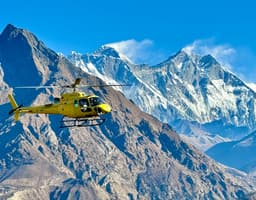


Some trekkers know their decision after looking at one map. Others get stuck between two of Nepal’s most popular routes because both are in the Annapurna region, both are rewarding, and both ask for very different kinds of effort. If you are weighing annapurna circuit vs abc, the right choice usually comes down to time, altitude tolerance, scenery preference, and how much trail variation you want day after day.
This is not a case of one trek being better in every way. The Annapurna Circuit and Annapurna Base Camp trek serve different travelers, and choosing well matters because permits, transport, guide planning, acclimatization, and gear all change with the route.
Annapurna Circuit vs ABC at a glance
The Annapurna Circuit is the bigger, longer, and more varied trek. It circles a large section of the Annapurna massif, crosses Thorong La Pass at high altitude, and moves through changing landscapes that feel almost like multiple treks combined into one itinerary. You get river valleys, pine forest, dry high-altitude terrain, Tibetan-influenced villages, and a true sense of crossing from one side of the range to another.
ABC, short for Annapurna Base Camp, is more compact and more focused. The route builds toward one dramatic objective: reaching the base camp amphitheater surrounded by major Himalayan peaks. It is shorter, easier to fit into a standard vacation schedule, and usually more straightforward for trekkers who want a classic Nepal experience without committing to a long expedition-style program.
If your priority is variety and a stronger sense of journey, the Circuit usually wins. If your priority is a shorter trek with a high mountain payoff, ABC often makes more sense.
Duration and itinerary shape
For many international travelers, this is the first real filter.
The Annapurna Circuit commonly takes around 12 to 18 days depending on start point, finish point, road access, acclimatization schedule, and whether side trips are included. Some itineraries add Tilicho Lake or extra acclimatization days. That added flexibility is a strength, but it also means the route needs tighter logistics planning.
ABC is usually completed in about 7 to 11 days. It fits more easily into a two-week Nepal trip, even when you include arrival, briefing, buffer days, and travel between Kathmandu and Pokhara. For travelers balancing limited annual leave, ABC is often the more practical product.
This is where the comparison becomes less romantic and more operational. If you only have 10 to 12 days total in Nepal, the Circuit can feel rushed unless you accept road sections or compressed acclimatization. ABC fits that timeframe more comfortably.
Scenery and route character
This is where annapurna circuit vs abc becomes a matter of taste.
The Annapurna Circuit gives you range. Lower sections pass through farmland and villages with a lived-in feel. As you gain elevation, the environment opens up into drier, more rugged terrain. After crossing Thorong La, the landscape shifts again. It feels expansive and transitional, which is part of its reputation.
ABC is narrower in scope but more concentrated in its payoff. Much of the trek moves through forest, terraced hillsides, and traditional settlements before entering the sanctuary area. Once you reach Machapuchare Base Camp and Annapurna Base Camp, the setting turns dramatic fast. Peaks rise around you in close formation, and the experience feels immersive rather than wide-ranging.
Travelers who want changing geography over many days usually prefer the Circuit. Travelers who want a direct build toward a powerful mountain viewpoint often prefer ABC.
Difficulty, altitude, and physical demand
Neither trek should be treated casually, but the challenge is different.
The Annapurna Circuit is generally more demanding because of its length and its altitude profile. Thorong La Pass sits at 17,769 feet, and the crossing is a serious trekking day. Even fit trekkers can struggle if acclimatization is poor or if weather conditions shift. The route asks for consistency over many days, not just one hard climb.
ABC reaches a lower maximum elevation at 13,550 feet. That reduces altitude risk compared with the Circuit, although it does not remove it. The bigger issue on ABC is often the repeated stair climbing and descending. Many trekkers find it physically tiring in a different way, especially on knees and calves.
If you are confident at altitude, have enough days, and want a more ambitious trek, the Circuit is the stronger option. If you want a challenging but more accessible trek, ABC is usually the safer choice.
Crowds, comfort, and trail atmosphere
Both routes are well established, with tea houses, guides, and transport links supporting regular departures. Neither is a remote expedition in the strict sense. Still, the feel on the trail differs.
The Annapurna Circuit spreads trekkers out more because of its length. Villages are more varied, and the route feels broader in character. You may still meet busy sections in peak seasons, but there is often more sense of movement across regions.
ABC can feel busier because many trekkers are working toward the same destination on similar timeframes. During peak months, especially spring and fall, the trail and tea houses can be quite active. That is not necessarily a problem if your logistics are organized well, but it matters if you are looking for a quieter mountain experience.
Comfort standards on both treks are generally good by Nepal trekking standards, though they become simpler at higher elevations. On the Circuit, because the itinerary is longer, the consistency of lodge planning matters more. On ABC, because there are more trekkers concentrated on a shorter route, advance coordination matters more in peak season.
Access, permits, and transport logistics
From an operations standpoint, ABC is simpler.
Most ABC itineraries connect through Pokhara and then drive to the trek start. Transfers are manageable, route planning is straightforward, and rescue planning is relatively clear because the trail network is well used. This is part of why it works well for first-time Nepal trekkers.
The Annapurna Circuit has more moving parts. Start and end points vary. Road access has changed parts of the classic route over time. Some itineraries use jeep transfers to skip lower sections, while others preserve a longer walking experience. You also need a realistic acclimatization plan before crossing the pass. That means the quality of itinerary design matters more on the Circuit than many travelers first assume.
Both treks require the standard regional permit arrangements, but the real difference is not paperwork. It is execution. A well-built itinerary can make the Circuit feel efficient and safe. A poorly compressed one can turn it into a tiring transport-and-trekking mix.
Which trek is better for first-time visitors?
If this is your first trekking trip in Nepal, ABC is usually the better fit.
It is shorter, more predictable, lower in altitude, and easier to pair with city sightseeing or a few recovery days in Pokhara. It delivers the classic tea-house trekking experience without asking for the same level of time and altitude commitment as the Circuit.
That said, first-time visitors who are already experienced hikers, have 14 or more trekking days available, and specifically want a high pass crossing can absolutely choose the Annapurna Circuit. The key is not whether it is your first trip to Nepal. The key is whether your fitness, schedule, and risk tolerance match the route.
When the Annapurna Circuit is the smarter choice
Choose the Circuit if you want a full trekking journey rather than a single destination trek. It suits travelers who value route diversity, longer immersion, and the milestone of crossing Thorong La. It also works well for repeat visitors to Nepal who want something broader than a base camp approach.
This route is often the better use of time for strong trekkers spending two to three weeks in Nepal. With proper planning, it gives more geographic variation and a stronger sense of progression.
When ABC is the smarter choice
Choose ABC if you want a shorter, efficient Himalayan trek with excellent mountain rewards. It is the stronger option for travelers with limited vacation time, moderate trekking experience, or a preference for a more focused route.
It also fits well for couples, small groups, and private guided departures where schedule reliability matters. If your goal is to get into the mountains, reach a major base camp, and return without committing to a long high-altitude crossing, ABC is usually the cleaner decision.
Our practical take on annapurna circuit vs abc
If a traveler asks us for the fastest route to a strong mountain experience, we point toward ABC. If they ask for the richer trekking journey and have the schedule and fitness to support it, we point toward the Annapurna Circuit.
That distinction matters because great trekking plans are not built around what sounds more famous. They are built around what will still feel right on day five, day eight, and day ten when altitude, fatigue, weather, and logistics start to shape the real experience. For travelers booking through an in-country operator such as Shepherd Holidays, that is where route selection becomes more than a brochure question.
The best trek is the one that fits your time, your pace, and the kind of mountain experience you actually want. If you choose with that level of honesty, both routes can be outstanding.