

A mountain flight to Everest is not just about seeing the peak from a window. The real value of an Everest helicopter tour with landing is that it compresses a remote Himalayan experience into a single, tightly managed day. You get the scale of the Khumbu, the drama of high-altitude terrain, and a chance to step out at key points without committing to a multi-day trek.
For many travelers, that trade-off is exactly the point. You may have limited time in Nepal, want a premium aerial experience, or prefer to avoid the physical demands of trekking above 16,000 feet. A helicopter tour with planned landings gives you access, but it also comes with operational limits that matter. Weather, passenger weight, altitude rules, and morning flight windows all shape the day.
What an Everest helicopter tour with landing actually includes
Most trips begin early from Kathmandu, often with a transfer to the domestic helicopter departure area. The schedule is built around mountain weather, which is usually clearest in the morning. That early departure is not a sales gimmick. It is how operators improve the odds of a safe, smooth flight path into the Everest region.
From Kathmandu, the helicopter typically routes east toward Lukla, the gateway to the Khumbu. Depending on the day’s conditions, this may be a technical stop for refueling or a short operational halt before continuing higher into the mountains. As the flight moves deeper into the region, the scenery changes quickly - terraced hills give way to alpine valleys, glacial rivers, and major Himalayan walls.
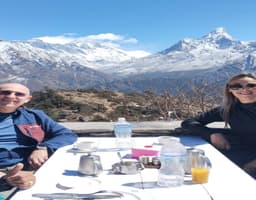
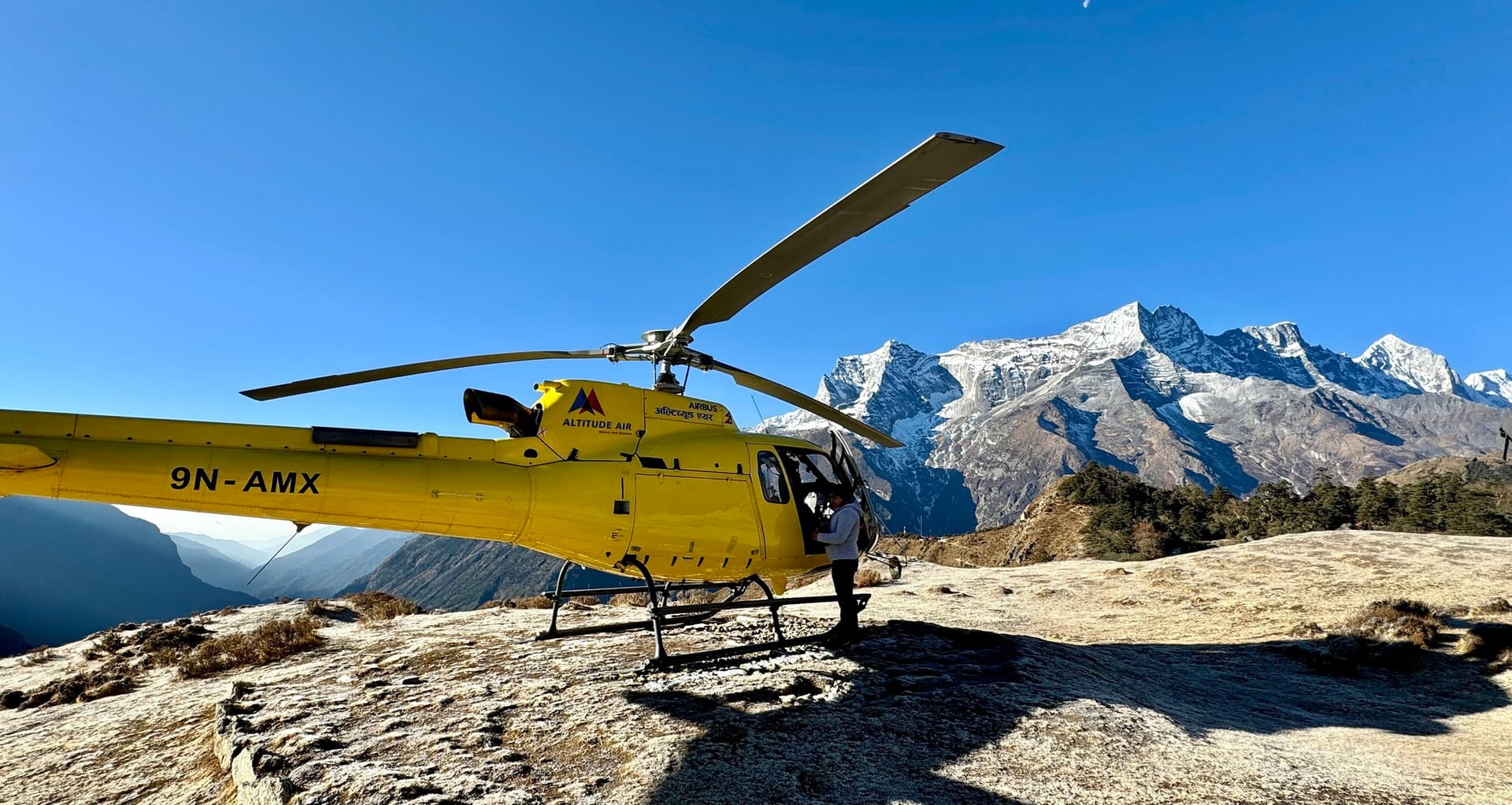
The signature part of the trip is the landing sequence. On a standard Everest helicopter itinerary, guests usually land at Kala Patthar area conditions permitting, or at a nearby designated high-altitude point depending on aviation regulations, safety assessment, and weather. Many itineraries also include a breakfast stop at a lodge in the Everest region, commonly in the Syangboche area above Namche. That lower-altitude landing is where travelers can spend more time comfortably while still enjoying direct views of Everest and surrounding peaks.
This matters because not every landing serves the same purpose. A very high landing is brief and tightly controlled due to altitude exposure and aircraft performance. A lower scenic landing allows more time on the ground, photos, and a meal with less risk of altitude-related discomfort.
Why travelers choose this tour instead of trekking
The biggest reason is time. A classic Everest Base Camp trek takes around 12 to 14 days once you include mountain transit and acclimatization. A helicopter trip covers the same region in hours. If your Nepal itinerary is short, or if Everest is one part of a wider trip that includes Kathmandu, Pokhara, Chitwan, or Bhutan, this format makes sense.
Comfort is the second reason. Trekking in the Khumbu is rewarding, but it requires long walking days, variable teahouse conditions, and tolerance for altitude. Not every traveler wants that. Some want the mountain experience without a physical test attached to it.
There is also a strong premium segment for this product. Couples, families, private groups, and travelers celebrating a milestone often prefer a high-value day tour with direct logistics. It is efficient, memorable, and easier to fit into a structured travel plan.
That said, this is not a replacement for trekking if your goal is immersion. A helicopter gives you reach and perspective. Trekking gives you pace, village life, trail rhythm, and gradual connection to the landscape. The better option depends on what kind of Everest experience you actually want.
How the day usually runs
A practical expectation is a 4 to 5 hour total operation, though timings can stretch if weather creates delays. Hotel pickup is generally before sunrise. Check-in, briefing, and load management happen before takeoff because every passenger and bag affects high-altitude performance.
After departure from Kathmandu, the helicopter may stop in Lukla for refueling. From there, the aircraft continues toward the Everest region viewpoints. If a high landing is planned, passengers may be split into smaller shuttle groups because helicopters cannot always carry a full load at extreme altitude. This is standard mountain aviation practice, not a sign that something is wrong.
A breakfast stop usually comes after the high mountain sector. This gives the itinerary a more comfortable pause before the return flight to Kathmandu. By late morning, conditions in the mountains often become less predictable, so operators aim to complete the route and return before the weather starts building.
Weather, altitude, and why flexibility matters
The most common reason for schedule changes is weather. Clouds can form quickly, visibility can close in, and mountain wind can affect route decisions. An Everest helicopter trip is never operated on a rigid promise that ignores conditions. A reliable operator will brief you clearly on this from the start.
Altitude is the second big factor. Even though you are not trekking, you are still entering a high mountain environment. Short exposure at a high landing point is manageable for most healthy travelers, but it can still feel intense. You may notice shortness of breath, lightheadedness, or a mild headache. This is one reason ground time at the highest stop is kept short.
Weight and balance also affect the day. On shared departures, seating and passenger combinations are arranged for aircraft performance. Travelers sometimes expect a simple sightseeing flight like a city helicopter loop. Everest operations are not that. They are load-calculated mountain flights where fuel, elevation, and weather all matter.
Shared vs private helicopter tour
If you are comparing options, this is usually the key booking decision. A shared flight lowers the per-person cost and works well for solo travelers, couples, and small parties comfortable with a fixed operational plan. The trade-off is less control over pacing and seating.
A private charter costs more but gives your group greater flexibility, better privacy, and a simpler experience overall. It is especially useful for families, photographers, and travelers with a tight schedule. If you are planning a proposal, anniversary, or VIP-style Nepal trip, a private Everest helicopter tour with landing is usually the cleaner fit.
Neither option is automatically better. It depends on budget, group size, and how much control you want over the day.
What to wear and bring
Even in peak travel seasons, the Everest region is cold in the morning, especially when the helicopter doors open at altitude. Dress in layers and wear a wind-resistant outer shell. Sunglasses are not optional in bright mountain conditions, and a phone or camera should be easy to access without delaying loading and unloading.
Keep bags light. Operators usually allow only essential personal items because payload matters. Good choices include your passport copy, water, lip balm, sunscreen, and any personal medication. If you are sensitive to altitude or motion, discuss that before departure rather than waiting until the aircraft is in the air.
Who this tour is best for
This trip works particularly well for travelers who want Everest without committing to a trek, older guests who still want access to the high Himalayas, and premium travelers building a broader Nepal itinerary around comfort and efficiency. It is also a strong option for business travelers or short-stay visitors who have one free day and want something far more substantial than a standard sightseeing tour.
It may not be the right fit if you want long ground time in the mountains, are highly sensitive to schedule uncertainty, or are booking the cheapest option without considering operator standards. In this sector, low pricing can hide weak coordination, vague inclusions, or poor communication around delays and landing conditions.
What to check before you book
Ask about aircraft type, group size, exact landing pattern, breakfast stop, hotel transfers, permit handling, and what happens if weather disrupts the flight. You should also check whether the company operates with clear safety documentation, experienced crew coordination, and transparent booking terms. In Nepal, strong on-ground execution matters as much as the flight itself.
This is where working with an established in-country operator helps. A company like Shepherd Holidays can manage the trip as part of a broader Nepal program, with practical support around pre-trip communication, pickup timing, documentation, and onward itinerary planning.
Price should be the last filter, not the first. The better question is whether the trip is being run by a team that understands mountain logistics and communicates clearly when conditions change.
An Everest helicopter day is at its best when expectations are realistic. You are not buying a guaranteed script. You are booking a carefully managed mountain operation with extraordinary upside when the conditions line up. If that balance works for you, it is one of the fastest and most memorable ways to experience the Himalayas.