

Most Everest Base Camp itineraries look similar on paper until altitude starts deciding the pace. A strong everest trek acclimatization plan guide is not about adding random rest days. It is about managing altitude gain, sleep elevation, walking hours, hydration, and decision points so your trek stays safe, realistic, and enjoyable.
For most travelers flying into Lukla and trekking to Everest Base Camp, acclimatization is the factor that most directly affects trip success. Fitness matters, but even very fit hikers can struggle if the itinerary climbs too fast. The mountain does not reward speed. It rewards a disciplined schedule, conservative elevation gain, and guides who know when to hold, when to move, and when to turn back.
Why acclimatization is the real Everest itinerary
The standard Everest Base Camp trek reaches high sleeping altitudes quickly. Lukla sits at about 9,300 feet, Namche Bazaar at roughly 11,300 feet, Dingboche around 14,500 feet, Lobuche near 16,200 feet, and Gorakshep above 17,000 feet. That means your body is adjusting to thinner air almost every day.
This is why a short itinerary can look attractive but become operationally weak. Saving one or two days on paper may increase the chance of headache, poor sleep, loss of appetite, nausea, or more serious altitude issues higher up the route. In practical terms, a well-built Everest plan is not only a travel product decision. It is a safety framework.
Everest trek acclimatization plan guide: the safest pacing model
For most trekkers, the most reliable Everest Base Camp pacing is a 12- to 14-day walking plan with two structured acclimatization stops. Those stops are usually placed at Namche Bazaar and Dingboche because they allow your body to adapt before sleeping much higher.
A sound progression usually looks like this:
Days 1-3: Lukla to Namche Bazaar
After the flight to Lukla, trekkers normally walk to Phakding on day one. This is a useful first stage because it keeps the opening day moderate and allows time to settle into the trek. On day two, the route climbs to Namche Bazaar, where many people first feel the effect of altitude.
Day three should be an acclimatization day in Namche, but that does not mean staying in bed. The best practice is to hike higher during the day, often toward Everest View Hotel, Khumjung, or nearby ridgelines, then return to sleep lower in Namche. That pattern - climb high, sleep lower - is the core principle behind successful altitude adjustment.
Days 4-6: Namche to Dingboche
From Namche, the route typically continues to Tengboche and then on to Dingboche, either directly over two days or with a night in Deboche or Pangboche depending on the package design and walking pace. By this point, sleep quality often drops and appetite can become inconsistent.
Dingboche is the second key acclimatization stop. A proper acclimatization day here usually includes a day hike up Nangkartshang Peak ridge or another nearby high point, then a return to sleep in Dingboche. This stop is not optional padding. It is one of the main reasons many trekkers are able to continue safely toward Lobuche and Gorakshep.
Days 7-9: Dingboche to Base Camp sector
After Dingboche, the route normally moves to Lobuche, then to Gorakshep, with the Base Camp visit either the same day or depending on timing and conditions. These are the hardest days for acclimatization because sleep altitude is high and recovery is slower.
At this stage, guides should monitor clients closely. A mild headache can be manageable. A headache that does not improve with rest, hydration, and basic medication is a warning sign. So is vomiting, unusual fatigue, poor coordination, or confusion. The right decision may be to stop or descend, even when Base Camp is close.
Descent days: faster, but still managed
Once trekkers start descending, many symptoms improve quickly. That said, the return should still be structured. Fatigue, dehydration, and accumulated effort can still affect judgment and recovery. A professional operator manages descent days with the same attention to pace and overnight stops as the ascent.
What a good itinerary includes and what it avoids
A reliable Everest itinerary includes two acclimatization days, gradual sleeping elevation gain, realistic walking hours, and enough buffer in case weather affects Lukla flights. It also builds in operational flexibility. Conditions in the Khumbu change, and a rigid plan is rarely the best plan in the mountains.
What should you be cautious about? Very short Everest Base Camp programs that cut acclimatization stops, aggressive jump-ups in sleeping altitude, or sales messaging focused only on reaching Base Camp fast. Some experienced trekkers can tolerate quicker schedules, but many cannot, and there is no guarantee based on age or fitness.
This is where guided logistics matter. A dependable in-country operator does more than book tea houses. The team should manage route sequencing, guide observation, weather adjustments, permits, and contingency decisions with a clear safety policy behind the itinerary.
Common altitude symptoms and when plans need to change
Not every symptom means the trek is over. Many trekkers experience light headache, disturbed sleep, or lower appetite as they go higher. Those can be normal if they remain mild and improve with hydration, rest, and conservative pacing.
The concern rises when symptoms persist or stack together. A worsening headache, nausea, dizziness at rest, extreme weakness, breathlessness that feels abnormal, or changes in coordination should never be brushed aside. The trade-off here is simple. Losing half a day to monitor a trekkers condition is manageable. Pushing upward into a serious altitude problem is not.
A good guide team will look beyond what a guest says and watch how they walk, eat, speak, and recover. Some trekkers underreport symptoms because they do not want to disrupt the group. That is exactly why experienced on-ground leadership matters.
Hydration, pace, and sleep are part of the acclimatization plan
Acclimatization is not only about overnight stops. It is also affected by how you trek each day. Starting too fast out of Lukla, skipping fluids in cold weather, drinking heavily in the evenings, or not eating enough can all make altitude adjustment harder.
A better approach is controlled pacing from day one. Walk at a conversational pace, especially on ascent days. Drink regularly even when you do not feel thirsty. Eat enough carbohydrates and simple meals that you can tolerate well at altitude. Protect sleep as much as possible, even though sleep quality often becomes lighter higher on the route.
Medication may be part of some trekkers' strategy, but it should support the itinerary, not replace it. No tablet makes a poor schedule safe.
Choosing the right Everest plan for your profile
Not every traveler needs the same Everest itinerary. If you have prior high-altitude trekking experience, strong recovery, and extra days in Kathmandu before the trek, you may handle the route more comfortably than a first-time Himalayan trekker. If you are new to altitude, older, traveling with mixed ability companions, or simply want a more comfortable progression, choose the slower option.
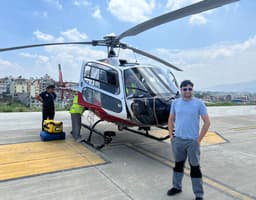
Premium trekkers often ask whether a luxury trek changes acclimatization needs. The answer is no. Better lodges improve comfort, food quality, and sleep environment, but they do not reduce altitude. Helicopter return options can shorten descent time after the high point, which helps with overall schedule efficiency, but the ascent still needs to be gradual.
For travelers comparing packages, focus less on marketing language and more on itinerary engineering. How many nights are above 14,000 feet? Are there two proper acclimatization days? Is there a contingency framework for flight delays and health issues? Those details tell you whether the plan is built for success.
Operational questions worth asking before booking
Before confirming an Everest Base Camp trip, ask who is managing the trek on the ground, how altitude monitoring is handled, whether the itinerary includes clear acclimatization hikes, and what happens if a guest needs to descend. Also ask about guide qualifications, safety procedures, and support logistics in remote sections of the route.
For international travelers booking from the US, Canada, Australia, or Europe, the value of a structured local operator is not only convenience. It is execution. A company such as Shepherd Holidays brings the permits, routing, guide support, contingency planning, and on-ground coordination into one system, which is exactly what complex mountain trips require.
The right plan is the one that gives you margin
The best Everest Base Camp itinerary is rarely the shortest one. It is the one that gives your body enough time, your guide enough flexibility, and your trip enough margin to deal with altitude and mountain conditions properly.
If you treat acclimatization as the backbone of the trek rather than an add-on, you give yourself a much better chance of reaching Base Camp feeling strong enough to enjoy where you are, not just endure it.