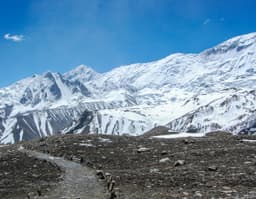


If you want a short Himalayan trek that still feels like a real mountain journey, Mardi Himal is one of the most efficient choices in Nepal. In five days, you can move from the lower forested ridges above Pokhara to a high viewpoint facing Machhapuchhre, Annapurna South, and Hiunchuli, then return without needing a long expedition schedule. That balance is exactly why the mardi himal trek itinerary 5 days works well for travelers with limited time but serious trekking goals.
The key is to plan it with realistic walking hours, a sensible overnight sequence, and transport that does not waste a full day. Mardi Himal is not technically difficult, but it does gain elevation quickly, and the shortest itineraries only work well when logistics are tight.
Why a mardi himal trek itinerary 5 days works
This trek suits travelers who want a guided mountain program with clear structure rather than a loose, open-ended route. Compared with longer Annapurna-region treks, Mardi Himal gives you strong mountain views in fewer days. You do not need domestic flights, and access from Pokhara is straightforward.
The trade-off is pace. A five-day plan is efficient, but it is not slow travel. You will be moving most days, usually with one early alpine start if you go up to Mardi Himal Base Camp or the upper viewpoint. If you prefer long afternoons at tea houses, extra acclimatization time, or a more relaxed descent, a six- or seven-day version is better.
For fit trekkers arriving in Nepal on a short vacation, though, five days is a practical sweet spot.
Mardi Himal trek itinerary 5 days day-by-day
Day 1: Pokhara to Kande, trek to Forest Camp
Most 5-day programs begin with a short drive from Pokhara to Kande. From there, the trail climbs through Australian Camp and Pothana before entering rhododendron and oak forest. The overnight stop is usually Forest Camp.
This is a strong opening day because it combines easy road access with immediate trail time. Expect roughly 5 to 6 hours of walking depending on pace, weather, and where you stop for lunch. The trail is well established, but there are plenty of stone steps early on, so it can feel more demanding than the distance suggests.
If you arrive in Pokhara late the previous day, this start keeps the trip efficient. If you are coming directly from Kathmandu that morning, timing becomes tighter and should be managed carefully.
Day 2: Forest Camp to High Camp
Day two is the biggest moving day on most itineraries. You trek upward through Low Camp and Badal Danda, then continue along the ridge to High Camp. As the forest begins to thin, the views open sharply, especially when the clouds clear around midday or late afternoon.
Plan for around 6 to 7 hours of walking. This is the section where trekkers start to feel the altitude and the cumulative climb. High Camp sits above 11,000 feet, so hydration, a steady pace, and a lighter daypack matter.
A shorter alternative is to stop at Low Camp or Badal Danda, but that usually pushes the following day too hard for a five-day schedule. If your goal is to complete the trek cleanly in five days, High Camp is the operationally sensible overnight stop.
Day 3: High Camp to Mardi Himal Base Camp, descend to Low Camp or Forest Camp
This is the signature day. You leave early, often before sunrise, and head up the exposed ridge toward the upper viewpoint and Mardi Himal Base Camp area. Trail conditions vary by season. In stable weather, the route is straightforward, but snow, ice, or strong wind can slow progress and change the turnaround point.
Walking up from High Camp generally takes 3 to 4 hours. The reward is the close mountain panorama - Machhapuchhre feels almost within reach, with Annapurna South and Hiunchuli dominating the skyline. On a clear morning, this is one of the best short-trek viewpoints in the region.
After the viewpoint, you descend all the way back down. Some itineraries overnight at High Camp again, but in a five-day format it is more efficient to continue to Low Camp or Forest Camp. That makes for a long day, often 7 to 9 hours total, but it creates a much smoother finish.
This is also the day where conditions matter most. If weather closes in or trail surfaces become unsafe, a guide may stop at the upper viewpoint instead of full base camp. That is not a failed trek. It is a normal mountain decision and often the right one.
Day 4: Descend to Siding and drive to Pokhara
From Low Camp or Forest Camp, the route descends through forest and village trail to Siding. This is a practical exit point because vehicle pickup is available, allowing you to avoid retracing the full ridge route back to Kande.
Expect 4 to 6 hours of trekking, followed by a drive back to Pokhara. Road conditions on the final section can be rough depending on season and local maintenance, so build in some patience. Still, this exit saves time and makes the five-day structure possible without feeling rushed on the final mountain day.
If road access is disrupted, the backup is usually to continue trekking toward a more accessible pickup point. This is one reason guided logistics are useful on short itineraries - small changes can affect the whole schedule.
Day 5: Buffer day, departure day, or add-on in Pokhara
A smart 5-day program leaves room for what happens after the trek. For some travelers, day five is simply a departure transfer from Pokhara or a tourist bus/flight connection onward. For others, it becomes a buffer in case weather, road conditions, or trekking pace shifts the plan slightly.
If everything runs on schedule, this day works well for a light Pokhara program or your return to Kathmandu. For international travelers on fixed flights, keeping this margin is good planning rather than wasted time.
How difficult is this 5-day trek?
Mardi Himal is considered a moderate trek, but the five-day version leans toward moderate-to-challenging because of the compressed pace. The main challenge is not technical terrain. It is sustained ascent, repeated stone steps, and the long summit-viewpoint day from High Camp.
If you are active, hike regularly, and can handle 5 to 8 hours on trail, this itinerary is realistic. If you have limited hiking experience, want a slower adaptation to altitude, or are traveling with younger children or older family members, an extra day usually improves the trip.
Best season and weather trade-offs
Spring and fall are the strongest seasons for this route. Spring brings rhododendron bloom and generally stable temperatures, while fall often offers the clearest mountain views after the monsoon.
Winter can still work, especially for trekkers comfortable with cold mornings and possible snow above High Camp. The advantage is quieter trails. The trade-off is a higher chance of icy sections and weather-related route limits. Monsoon is the least predictable season. Forest sections are lush, but cloud cover, leeches, and slippery trails reduce visibility and comfort.
Permits, lodging, and what logistics matter most
You generally need Annapurna region permit documentation for this trek, and these should be arranged before you start. Tea house accommodation is available throughout the route, but standards become more basic as you climb. Rooms are simple, and charging, hot showers, and Wi-Fi may be limited or extra-cost services at higher stops.
That is normal for this kind of trek. The route is short, but it is still a mountain trek, not a hotel-based hill walk. Carrying cash, managing layers properly, and having transport confirmed in advance are the small details that keep the trip smooth.
For travelers booking with an operator such as Shepherd Holidays, the value is not just the guide. It is the coordination of permits, trail pacing, Pokhara transfers, tea house handling, and route adjustments if conditions change.
Who should choose this itinerary?
This format is best for travelers who want a genuine Himalayan trekking experience in under a week. It works particularly well for couples, solo travelers joining a private guided plan, and small groups combining Pokhara with one short mountain program.
It is less ideal for anyone arriving straight from a long international flight and heading to trail immediately with no recovery time. In that case, adding one preparation day in Kathmandu or Pokhara usually improves the experience.
Budget also matters. A five-day trek can look inexpensive on paper, but cutting corners on transport timing, guide quality, or accommodation planning often creates more stress than savings. On a short itinerary, reliable execution matters more because there is less room for delay.
If your goal is clear mountain scenery, manageable duration, and a route that fits neatly into a Nepal trip without flights into remote airstrips, Mardi Himal is a very strong choice. Give the mountains a realistic schedule, keep one day of flexibility around the trek, and the journey tends to reward that discipline.