

A helicopter evacuation in Nepal can cost more than the trek itself. That is why any practical trekking insurance for Nepal guide needs to start with one fact: the cheapest policy is often the most expensive mistake. If your plan does not cover high altitude trekking, emergency rescue, and trip interruption in remote terrain, you may arrive in Nepal insured on paper but exposed in reality.
For most trekkers, insurance is not a box to tick after booking flights. It is part of route planning. Everest Base Camp, Annapurna Circuit, Manaslu Circuit, Langtang Valley, and remote regions such as Dolpo all carry different risk profiles, and your policy needs to match the actual trip, not a generic "adventure travel" label.
Why trekking insurance for Nepal matters
Nepal is not a standard hiking destination. Trails often start after long overland transfers or short mountain flights, weather can delay movement for days, and medical facilities become limited as you gain elevation. If you are trekking above 10,000 feet, sleeping in remote teahouses, crossing passes, or traveling in restricted regions, your insurance needs to be built for that operating environment.
The biggest gap we see is altitude. Many travelers assume "trekking covered" means the policy works anywhere on the itinerary. It does not. Some plans cover hiking only below a fixed elevation. Others cover trekking but exclude expeditions, technical climbing, or evacuation above a certain altitude. If your trek reaches 17,500 feet and your policy stops at 13,000, that is not partial coverage. It is a serious coverage failure.
A second gap is emergency evacuation language. In Nepal, rescue usually means helicopter evacuation, not a simple ground transfer. Your policy should clearly state helicopter rescue or air evacuation for sickness and injury in mountain regions. If it uses vague wording, ask for clarification before departure.
What your Nepal trekking policy should include
A useful trekking insurance for Nepal guide should focus less on marketing terms and more on policy wording. Start with emergency medical expenses and helicopter evacuation. Those two items matter most because they address the highest-cost scenarios in remote mountain travel.
Beyond that, look for coverage for trip cancellation, trip interruption, baggage loss, and delays. These are not secondary issues in Nepal. Lukla flights can shift due to weather, road conditions can affect access to trailheads, and a medical issue mid-trek can force itinerary changes that have real cost.
Policy wording should also match your exact activity. Teahouse trekking to Everest Base Camp is different from mountaineering, but some insurers group them too broadly. If you are doing a trek with a helicopter return, a multi-activity Nepal trip, or adding rafting, bungee, or peak climbing, confirm each activity is named or allowed under the plan.
Core coverage to confirm
Check these points before you pay:
- Maximum trekking altitude covered
- Emergency medical treatment amount
- Helicopter evacuation or air rescue wording
- Search and rescue terms, if listed separately
- Trip cancellation and interruption coverage
- Coverage for delays caused by weather or transport disruption
- Exclusions for pre-existing conditions
- Exclusions for alcohol, negligence, or unapproved route changes
A policy can look strong on the sales page and still fail in the exclusions section. Read both.
Altitude limits are where many policies fail
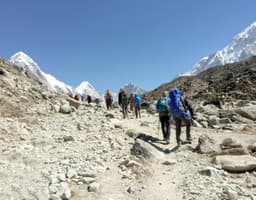
If you are trekking in Nepal, altitude is the first technical filter. Everest Base Camp is commonly around 17,598 feet. Annapurna Circuit with Thorong La Pass reaches over 17,700 feet. Many standard travel insurance policies do not go that high.
This matters even if you are fit, guided, and experienced. Coverage is based on the trip profile, not your confidence level. Acute mountain sickness, HAPE, and HACE are exactly the kinds of issues that trigger evacuation decisions. If altitude illness is excluded because you exceeded the policy limit, you may be responsible for a very large bill.
A smart way to assess this is simple: identify the highest sleeping altitude and the highest point on the itinerary, then compare both to the insurer's exact threshold. If the route includes side hikes or acclimatization climbs, count those too.
Typical Nepal trekking altitude examples
Everest Base Camp Trek, Gokyo Lakes Trek, and Annapurna Circuit require higher altitude coverage than Poon Hill or lower Annapurna foothill routes. Langtang Valley often sits in the middle. Restricted and remote regions such as Upper Dolpo or high Manaslu sections may add complexity because evacuation logistics are more demanding even when the altitude profile is not the only risk factor.
Common exclusions travelers miss
Insurance problems in Nepal usually come from assumptions. Travelers assume altitude is covered, assume helicopter rescue is automatic, and assume guided trekking eliminates policy restrictions. None of those assumptions are safe.
Pre-existing medical conditions are a common issue. If you have asthma, cardiac history, recent surgery, or a condition that could reasonably affect trekking, review the waiver process or declaration requirement. If you do not disclose properly, the claim may be denied.
Another issue is route mismatch. If your permit, itinerary, and actual movement do not line up, insurers may ask questions. This is one reason a professionally organized itinerary helps. When transfers, permits, guides, and route planning are clearly documented, it is easier to support a claim if disruption happens.
Technical activities are also frequently excluded. Trekking is usually covered under different terms than climbing with ropes, using crampons on technical terrain, paragliding, or motorbike touring. If your Nepal trip combines activities, buy for the whole trip profile, not just the trek segment.
How to choose the right policy for your trek
The best policy is not the one with the broadest branding. It is the one that matches your route, season, age, medical profile, and risk tolerance.
Start with the itinerary. A 10-day Annapurna Base Camp Trek needs a different insurance check than a 17-day Everest Base Camp Trek with Lukla flights or a luxury trek with helicopter return. If you are traveling during monsoon shoulder periods or winter, delay risk may matter more. If you are heading into remote restricted areas, evacuation wording matters even more than baggage coverage.
Then compare insurers on five operational questions: what altitude they cover, whether helicopter evacuation is explicit, whether trekking is covered as a named activity, how they handle pre-existing conditions, and how claims are initiated from overseas. If emergency support is difficult to reach, that is a practical problem, not just a customer service issue.
For travelers booking a guided trip with an in-country operator such as Shepherd Holidays, it also helps to send the final day-by-day itinerary to your insurer before travel and ask for written confirmation of coverage. That extra step reduces ambiguity later.
Before you leave home: get your documents ready
Insurance only works well in the field if your documents are organized. Save your policy number, emergency contact details, insurer assistance number, and claim instructions in both printed and digital form. Share them with a family member and keep a copy with your guide.
You should also carry passport details, emergency contacts, and a list of medications. In a real evacuation scenario, speed matters. Having documents immediately available can make coordination smoother between the guide, helicopter operator, hospital, and insurer.
If your insurer requires pre-authorization for evacuation when medically possible, know that process in advance. In Nepal, operational decisions may need to move quickly due to weather windows and terrain. The more clearly your insurance instructions are documented, the better.
Final checks before buying
Read the policy certificate, not just the summary. Confirm the altitude cap. Confirm Nepal is covered specifically, not just "Asia." Confirm trekking is included, and that helicopter evacuation is not buried behind restrictive conditions.
If anything is unclear, ask in writing and keep the response. That one email can matter more than a polished brochure.
The right trekking insurance is not an add-on to your Nepal trip. It is part of the route, part of the safety system, and part of making good decisions before the mountains start making them for you.