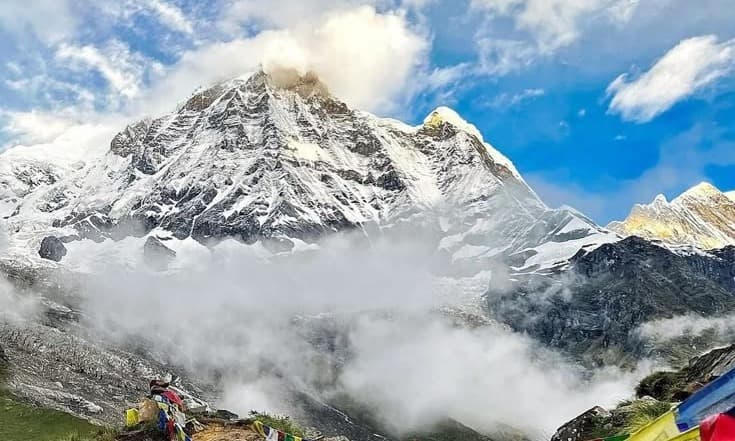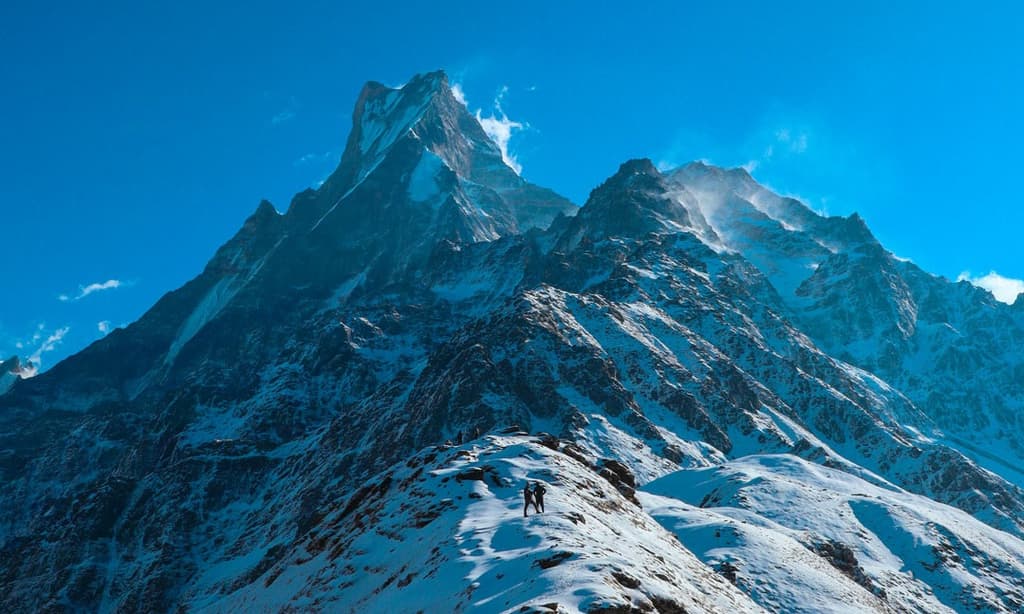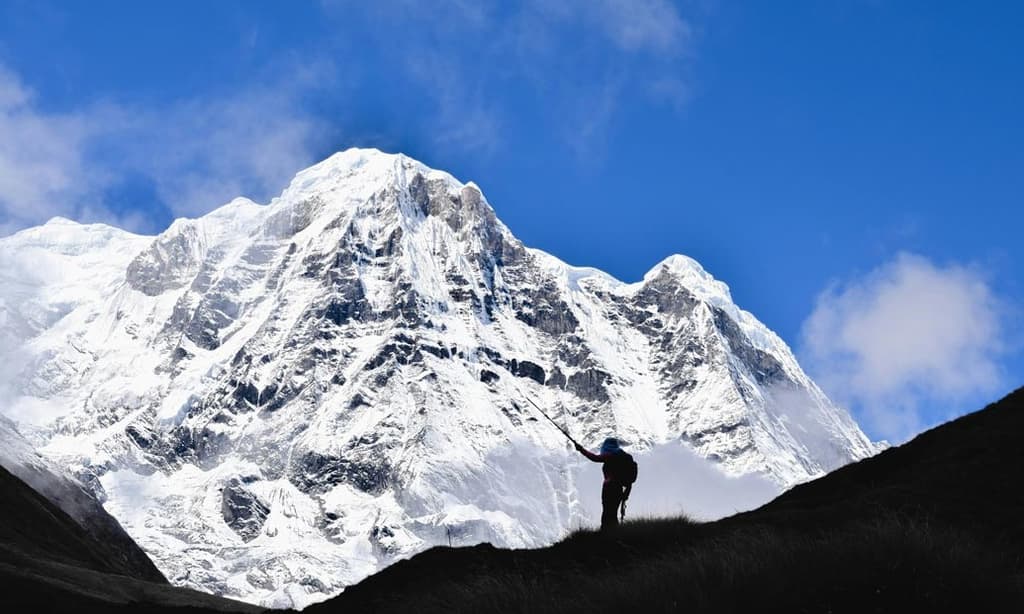


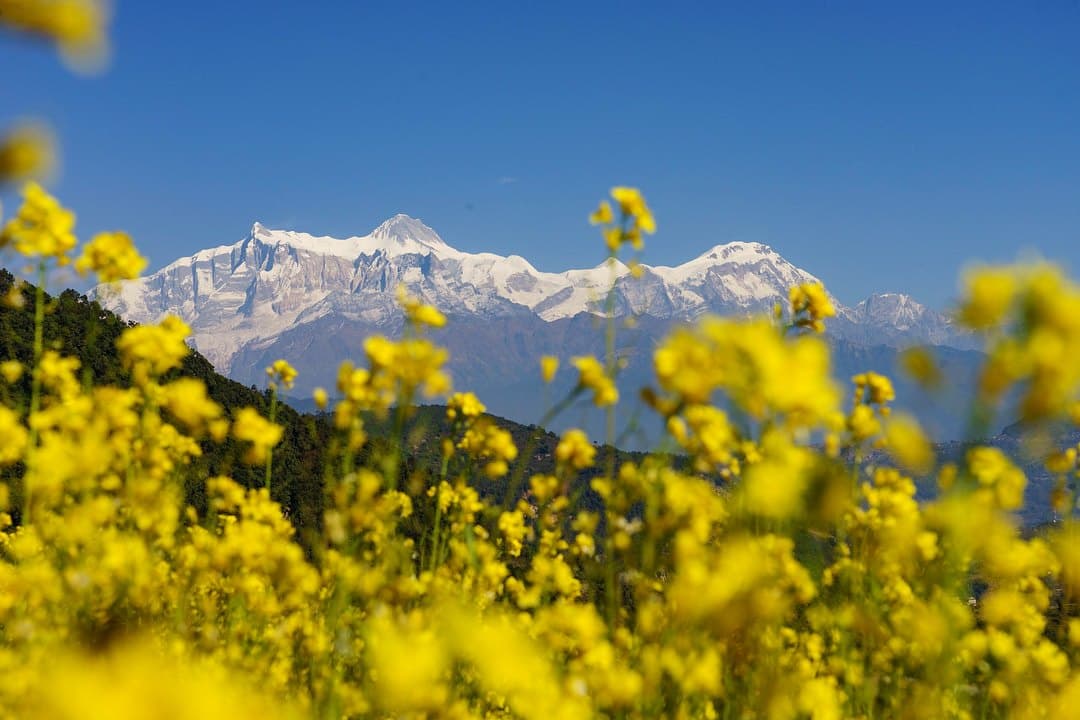
Opened to foreign trekkers only in 2003, Nar Phu Valley remains one of Nepal's best-preserved destinations. The trek takes you through the dramatic landscapes of the Himalayas, where centuries-old Buddhist monasteries, stone-built villages, prayer flags, and yak pastures reveal a way of life that has remained largely unchanged for generations.
The journey begins from the classic Annapurna Circuit trail before turning north into the remote Nar Phu Valley. As you ascend deeper into the valley, the landscape transforms from lush forests and rivers into a high-altitude desert surrounded by towering peaks, including Annapurna II, Gangapurna, Tilicho Peak, Himlung Himal, and Kang Guru.
The major highlight of the trek is crossing the spectacular Kang La Pass (5,240 m), a challenging yet rewarding high mountain pass connecting Nar Valley with the Manang region. From the top, trekkers are rewarded with unforgettable views of the Annapurna and Himlung Himal ranges.
The Nar Phu Valley Trek is perfect for adventurous travelers seeking an authentic Himalayan experience away from crowds. With remote villages, ancient monasteries, unique Tibetan-influenced culture, and dramatic mountain scenery, this trek offers one of Nepal's most extraordinary journeys.
Nar Phu Valley Trek Highlights
The Nar Phu Valley Trek is a remarkable journey into one of Nepal's most remote and culturally preserved Himalayan regions. Far away from the crowded trekking routes, this adventure takes you through ancient Tibetan-influenced villages, dramatic landscapes, high mountain passes, and some of the most spectacular scenery in the Annapurna region.
Unlike many popular trekking routes, Nar Phu offers a rare opportunity to experience a traditional Himalayan lifestyle that has remained largely untouched by modern development.
Nar Phu Valley Trek Facts
| Trek Feature | Details |
|---|---|
| Trek Name | Nar Phu Valley Trek |
| Destination | Annapurna Region, Nepal |
| Trek Duration | 14 Days |
| Trekking Days | 10–11 Days |
| Maximum Elevation | Kang La Pass – 5,240 m |
| Highest Overnight Stay | Phu Village – 4,080 m / Nar Village – 4,110 m |
| Trek Difficulty | Challenging |
| Walking Hours | 5–8 Hours Per Day |
| Longest Day | Kang La Pass Crossing – Approximately 8–10 Hours |
| Trekking Style | Remote Teahouse Trek |
| Accommodation | Hotels in Kathmandu & Local Teahouses During Trek |
| Meals | Breakfast in Kathmandu; Full Board Meals During Trek |
| Starting Point | Koto (Near Chame, Manang District) |
| Ending Point | Ngawal / Manang Region |
| Highest Pass | Kang La Pass (5,240 m) |
| Restricted Area | Yes – Nar Phu Valley Restricted Area |
| Required Permits | Nar Phu Restricted Area Permit, Annapurna Conservation Area Permit (ACAP), TIMS (as applicable) |
| Best Seasons | Spring (March–May) & Autumn (September–November) |
| Group Size | Private and Small Group Departures Available |
| Guide Requirement | Licensed Guide Mandatory (Restricted Area Regulation) |
| Porter Support | Available and Recommended |
| Major Highlights | Nar Village, Phu Village, Tashi Lhakhang Monastery, Kang La Pass, Tibetan Culture, Annapurna & Himlung Himal Views |
What is Nar Phu Valley Trekking?
The Nar Phu Valley Trek is one of Nepal's most unique and adventurous trekking experiences, taking travelers deep into a remote Himalayan region located north of the Annapurna range. Hidden behind the mountains of Manang, this restricted valley remained closed to foreign visitors until 2003, helping preserve its ancient Tibetan culture, traditional architecture, and untouched natural beauty.
Who Is Nar Phu Valley Trek For?
This trek is designed for travelers looking for a more adventurous and exclusive Himalayan experience.
Perfect For:
✔ Experienced trekkers
✔ Adventure seekers
✔ Photographers
✔ Cultural explorers
✔ Travelers who prefer remote destinations
✔ Those looking for alternatives to crowded trekking routes
Less Suitable For:
✘ First-time trekkers without preparation
✘ Travelers looking for luxury lodge trekking
✘ Those with limited time
✘ People uncomfortable with long walking days and high-altitude passes
Why Choose Nar Phu Valley Over Other Annapurna Treks?
| Trek | Main Attraction |
|---|---|
| Ghorepani Poon Hill | Short trek with sunrise viewpoint |
| Mardi Himal | Ridge trekking with Machhapuchhre views |
| Khopra Ridge | Hidden viewpoint and community lodge experience |
| Annapurna Base Camp | Classic Himalayan sanctuary trek |
| Annapurna Circuit | Legendary high-pass trekking |
| Nar Phu Valley | Remote Tibetan culture, wilderness, and Kang La Pass adventure |
Nar Phu Valley Trek Route Overview
The Nar Phu Valley Trek follows a spectacular route through remote northern Annapurna, combining the classic Annapurna Circuit landscapes with untouched Himalayan valleys.
Route:
Kathmandu → Koto → Meta → Kyang → Phu Village → Nar Phedi → Nar Village → Kang La Pass → Ngawal → Manang → Besisahar → Kathmandu
Why Nar Phu Requires Special Permits?
Nar Phu is a restricted trekking area because of its location near the Tibetan border and its cultural importance.
The restricted permit system helps:
- Protect local culture and traditions
- Control tourism impact
- Preserve fragile Himalayan ecosystems
- Support responsible tourism development
Unlike normal trekking regions, independent trekking is not allowed. Trekkers must travel with:
✔ Licensed trekking guide
✔ Registered trekking agency
✔ Minimum required permit arrangements
Nar Phu Valley Trek Difficulty Level
The Nar Phu Valley Trek is considered a challenging trek in Nepal due to its remote location, high altitude, long trekking days, and the demanding crossing of Kang La Pass (5,240 m).
Although the trek does not involve technical climbing, it requires good physical fitness, mental preparation, and previous trekking experience. The combination of remote trails, limited facilities, and high mountain terrain makes Nar Phu a true Himalayan adventure rather than a regular teahouse trek.
For experienced trekkers looking for a less crowded and culturally rich Himalayan journey, Nar Phu Valley offers one of Nepal's most rewarding experiences.
Difficulty Overview
| Trek Feature | Details |
|---|---|
| Difficulty Level | Challenging |
| Maximum Elevation | Kang La Pass – 5,240 m |
| Highest Overnight Stay | Nar Village – 4,110 m |
| Trek Duration | 10–11 Trekking Days |
| Daily Walking Hours | 5–8 Hours |
| Longest Walking Day | Nar Village to Ngawal via Kang La Pass (8–10 hours) |
| Terrain | Rocky trails, mountain paths, high-altitude landscapes |
| Technical Skills Required | No |
| Previous Trekking Experience | Highly Recommended |
| Fitness Level | Good physical fitness required |
What Makes Nar Phu Valley Trek Challenging?
1. High Altitude and Remote Location
The trek reaches above 5,000 meters at Kang La Pass, where the air is thinner and physical effort increases.
Important altitude points:
- Meta: 3,560 m
- Kyang: 3,840 m
- Phu Village: 4,080 m
- Nar Village: 4,110 m
- Kang La Pass: 5,240 m
Because of the altitude, trekkers need:
✔ Proper acclimatization
✔ Slow and steady walking pace
✔ Adequate hydration
✔ Awareness of altitude symptoms
Our recommended itinerary includes acclimatization days in Phu Village and Nar Village to improve safety and comfort.
2. Kang La Pass Crossing (5,240 m)
The highlight and biggest challenge of the trek is crossing Kang La Pass.
The pass involves:
- Early morning start
- Long uphill climb
- High-altitude walking
- Rocky and uneven terrain
- Long descent afterward
The reward is exceptional Himalayan scenery and a sense of achievement from crossing one of Nepal's most impressive mountain passes.
3. Long Trekking Days
Most trekking days involve 5–8 hours of walking.
The Kang La Pass day can take:
8–10 hours
Trekkers should be prepared for:
- Continuous walking
- Changing weather conditions
- Steep ascents and descents
- Carrying a daypack at altitude
4. Limited Facilities
Nar Phu Valley is a remote region with fewer facilities compared with popular routes.
Trekkers should expect:
- Basic teahouses
- Limited electricity
- Limited internet access
- Simple meals
- Fewer shops and services
This simplicity is part of the attraction; it provides an authentic Himalayan experience.
Is Nar Phu Valley Trek Suitable for Beginners?
Generally, this trek is not recommended for first-time trekkers without preparation.
However, beginners who:
✔ Have excellent fitness
✔ Train properly
✔ Join with an experienced guide
✔ Follow a slower itinerary
may complete the trek successfully.
For first Himalayan trekking experiences, we recommend easier options such as:
- Ghorepani Poon Hill Trek
- Mardi Himal Trek
- Khopra Ridge Trek
before attempting Nar Phu.
Experience Level Recommended
Nar Phu Valley is best suited for:
✔ Experienced trekkers
✔ Annapurna Circuit trekkers
✔ Everest Base Camp trekkers
✔ Adventure travelers
✔ Photographers
✔ Culture enthusiasts
Nar Phu Valley Compared with Other Popular Treks
| Trek | Difficulty | Maximum Elevation | Main Attraction |
|---|---|---|---|
| Ghorepani Poon Hill | Easy–Moderate | 3,210 m | Sunrise viewpoint |
| Mardi Himal | Moderate | 4,500 m | Ridge trekking & mountain views |
| Khopra Ridge | Moderate | 4,500 m | Hidden trails & Khayar Lake |
| Annapurna Base Camp | Moderate | 4,130 m | Classic Himalayan sanctuary |
| Everest Base Camp | Moderate–Challenging | 5,364 m | Everest views & Sherpa culture |
| Manaslu Circuit | Challenging | 5,106 m | Remote Himalayan circuit |
| Nar Phu Valley | Challenging | 5,240 m | Restricted valley, Tibetan culture & Kang La Pass |
Best Time for Nar Phu Valley Trek
The Nar Phu Valley Trek is best undertaken during the spring and autumn seasons when the weather is stable, mountain views are clear, and trekking conditions are most favorable.
Because Nar Phu is a high-altitude restricted region, seasonal planning is more important than many other Annapurna treks. The remote location, snow conditions at Kang La Pass (5,240 m), and limited facilities mean that choosing the right time greatly improves safety and overall experience.
The best months are:
- Autumn (September to November) – Best overall season
- Spring (March to May) – Best for nature and cultural experiences
Monthly Trekking Conditions
| Month | Conditions | Recommendation |
|---|---|---|
| January | Very cold, snow possible | ⭐⭐ |
| February | Cold, improving conditions | ⭐⭐⭐ |
| March | Spring begins | ⭐⭐⭐⭐ |
| April | Excellent weather and scenery | ⭐⭐⭐⭐⭐ |
| May | Warm and good conditions | ⭐⭐⭐⭐ |
| June | Beginning of monsoon influence | ⭐⭐ |
| July | Rain and road challenges | ⭐ |
| August | Wet conditions | ⭐ |
| September | Weather improves | ⭐⭐⭐⭐ |
| October | Best trekking month | ⭐⭐⭐⭐⭐ |
| November | Excellent views, colder nights | ⭐⭐⭐⭐⭐ |
| December | Cold but clear | ⭐⭐⭐ |
Food and Accommodation on the Nar Phu Valley Trek
The Nar Phu Valley Trek offers a truly authentic Himalayan trekking experience where simplicity, local hospitality, and cultural immersion are part of the adventure. Unlike more developed trekking routes such as Annapurna Base Camp or Everest Base Camp, Nar Phu remains remote and less commercialized.
Accommodation and meals are basic but comfortable, allowing trekkers to experience the traditional mountain lifestyle of the Nar and Phu communities.
Transportation for Nar Phu Valley Trek
The Nar Phu Valley Trek begins from Koto, a remote mountain village in the Manang district, and ends after reconnecting with the Annapurna Circuit route. Because of the remote location and mountain road conditions, transportation planning is an important part of the trekking experience.
For a comfortable and reliable journey, Shepherd Holidays recommends private jeep transportation for the Kathmandu–Koto section.
Kathmandu → Besisahar → Dharapani → Chame → Koto
Private jeep transportation is especially recommended because Nar Phu trekkers usually carry more equipment and need to reach Koto efficiently to maximize trekking days.
After completing the trek, the route descends from the high mountains and reconnects with the Annapurna Circuit trail.
The typical return journey:
Ngawal / Manang Area → Besisahar → Kathmandu
Private Jeep option is available
Domestic Flight Options
There is no direct flight to the Nar Phu Valley trailhead.
However, travelers can combine the trek with flights such as:
Kathmandu → Pokhara or
Pokhara → Kathmandu
before or after the trek if they wish to extend their Nepal journey.
Permits Required for Nar Phu Valley Trek
The Nar Phu Valley Trek requires special permits because Nar Phu is classified as a restricted trekking area in Nepal. Unlike normal Annapurna routes, trekkers cannot simply enter the valley with only a conservation permit. The trek requires additional documentation arranged through a registered trekking agency.
At Shepherd Holidays, we arrange all required permits before your trek begins, allowing you to focus on enjoying the remote Himalayan landscapes, ancient villages, and cultural experiences.
Why You Need a Registered Trekking Agency?
Nar Phu Valley is different from regular trekking routes because:
- A special restricted permit is required
- The permit process involves additional documentation
- Local regulations must be followed
- Experienced guides are highly recommended for safety and navigation
This regulation helps preserve the unique character of Nar Phu Valley while ensuring responsible tourism development.
Responsible Trekking in Nar Phu Valley
Because Nar Phu remains one of Nepal's most culturally preserved regions, responsible travel is extremely important.
Trekkers should:
Respect Local Culture
✔ Dress appropriately in villages and monasteries
✔ Ask permission before photographing people
✔ Respect Buddhist traditions
✔ Avoid disturbing religious activities
Protect the Environment
✔ Avoid single-use plastics
✔ Carry reusable water bottles
✔ Dispose of waste properly
✔ Respect wildlife and natural surroundings
Support Local Communities
✔ Stay in local teahouses
✔ Hire local guides and porters
✔ Purchase local products
✔ Respect village customs and lifestyles
Shepherd Holidays Permit Support
With Shepherd Holidays, your Nar Phu Valley Trek includes complete permit assistance:
✔ Restricted Area Permit arrangement
✔ ACAP permit processing
✔ TIMS assistance (if applicable)
✔ Trek documentation support
✔ Guidance before departure
You can begin your Himalayan adventure with confidence knowing that all essential paperwork is handled by our experienced local team.
Packing List for Nar Phu Valley Trek
The Nar Phu Valley Trek requires careful preparation because it is a remote, high-altitude adventure reaching Kang La Pass at 5,240 meters. Compared with popular Annapurna treks, facilities are more basic, weather conditions can change quickly, and trekkers need to be prepared for colder temperatures and longer walking days.
The key to successful packing is to keep your backpack lightweight while carrying essential items for high-altitude trekking.
A good layering system is recommended because temperatures can vary greatly between lower valleys and high mountain areas.
Travel Insurance for Nar Phu Valley Trek
Travel insurance is one of the most important preparations for the Nar Phu Valley Trek. Although this trek does not involve technical climbing, it takes place in a remote Himalayan region with limited medical facilities and reaches a high altitude of 5,240 meters at Kang La Pass.
A comprehensive travel insurance policy ensures that you are financially protected in case of unexpected situations such as altitude-related problems, injury, illness, emergency evacuation, or trip interruption.
Possible situations where insurance may be required include:
✔ Altitude sickness
✔ Trekking injuries
✔ Severe weather delays
✔ Emergency medical treatment
✔ Helicopter evacuation
✔ Trip cancellation or interruption
Although emergencies are uncommon, proper preparation is essential for high-altitude trekking.
At Shepherd Holidays, we strongly recommend that every trekker obtains suitable travel insurance before joining the Nar Phu Valley Trek.
Altitude and Acclimatization on Nar Phu Valley Trek
The trek gradually reaches high elevations:
| Location | Elevation |
|---|---|
| Meta | 3,560 m |
| Kyang | 3,840 m |
| Phu Village | 4,080 m |
| Nar Village | 4,110 m |
| Kang La Pass | 5,240 m |
Because of the altitude, trekkers should:
✔ Walk slowly and maintain a steady pace
✔ Drink enough water
✔ Avoid excessive alcohol
✔ Inform the guide immediately if feeling unwell
✔ Follow acclimatization advice
Frequently Asked Questions (FAQs) – Nar Phu Valley Trek
1. What is the Nar Phu Valley Trek?
The Nar Phu Valley Trek is a remote and adventurous trekking route in Nepal's Annapurna region that takes you into the hidden valleys of Nar and Phu. The trek combines ancient Tibetan Buddhist culture, traditional Himalayan villages, dramatic landscapes, and the challenging crossing of Kang La Pass (5,240 m).
It is one of Nepal's best off-the-beaten-path trekking experiences, ideal for travelers seeking a quieter and more authentic Himalayan adventure.
2. How difficult is the Nar Phu Valley Trek?
The Nar Phu Valley Trek is considered a challenging trek because of:
- High altitude
- Remote terrain
- Long trekking days
- Limited facilities
- Kang La Pass crossing at 5,240 meters
It does not require technical climbing skills, but good physical fitness and proper preparation are essential.
3. How many days does the Nar Phu Valley Trek take?
The recommended itinerary is 14 days, including:
- Kathmandu arrival and departure
- Transportation to and from the trekking region
- Acclimatization days
- Exploration of Phu and Nar villages
- Kang La Pass crossing
Shorter itineraries are possible, but the 14-day version provides better acclimatization and a safer trekking experience.
4. What is the highest point of the Nar Phu Valley Trek?
The highest point is:
Kang La Pass – 5,240 meters (17,192 feet)
The highest overnight stays are:
- Phu Village – 4,080 meters
- Nar Village – 4,110 meters
5. Do I need previous trekking experience for Nar Phu Valley Trek?
Previous trekking experience is highly recommended.
The trek is suitable for travelers who have experience with:
- Multi-day hiking
- High-altitude trekking
- Long walking days
- Basic teahouse trekking conditions
Fit beginners can complete the trek with proper preparation and a slower itinerary.
6. Is Nar Phu Valley Trek harder than Annapurna Circuit Trek?
Both are challenging Himalayan treks, but they offer different experiences.
Nar Phu Valley Trek:
✔ More remote
✔ Fewer trekkers
✔ More basic facilities
✔ Restricted area experience
✔ Tibetan culture and ancient villages
Annapurna Circuit Trek:
✔ More developed route
✔ More accommodation options
✔ Famous Thorong La Pass
✔ More established trekking infrastructure
Nar Phu feels more like a wilderness expedition compared with the classic Annapurna Circuit.
7. Is Nar Phu Valley Trek harder than Everest Base Camp Trek?
Both treks are challenging, but the experience is different.
Nar Phu Valley:
- Kang La Pass: 5,240 m
- More remote
- Less crowded
- More basic facilities
- Restricted area
Everest Base Camp:
- Everest Base Camp: 5,364 m
- More developed trails
- More teahouses
- More trekkers
- Famous Sherpa culture
Nar Phu is often considered more adventurous because of its remoteness and limited infrastructure.
8. Do I need a special permit for Nar Phu Valley Trek?
Yes. Nar Phu is a restricted trekking area, so trekkers need:
✔ Nar Phu Restricted Area Permit
✔ Annapurna Conservation Area Permit (ACAP)
✔ TIMS card if required under current regulations
Independent trekking is not allowed. A licensed guide and registered trekking agency are required.
9. Can I trek Nar Phu Valley without a guide?
No. Because Nar Phu is a restricted area, trekkers must travel through a registered trekking agency with a licensed guide.
A guide is also highly recommended because:
- Trails are remote
- Weather can change quickly
- Navigation can be difficult
- Local cultural knowledge enhances the experience
10. What is the best time for Nar Phu Valley Trek?
The best seasons are:
Autumn (September–November) and Spring (March–May). Winter is possible for experienced trekkers, while monsoon is generally not recommended.
11. What type of accommodation is available during the trek?
Accommodation is available in:
- Local teahouses
- Community lodges
- Family-run guesthouses
Facilities are basic compared with popular trekking routes but provide an authentic Himalayan experience.
Expect:
✔ Twin-sharing rooms
✔ Basic beds
✔ Shared bathrooms
✔ Simple dining areas
12. What food is available during Nar Phu Valley Trek?
Teahouses provide simple but nutritious meals such as:
- Dal Bhat
- Noodles
- Tibetan bread
- Momos
- Pasta
- Soups
- Rice and vegetable dishes
Dal Bhat is especially popular among trekkers because it provides excellent energy for long walking days.
13. Is Wi-Fi and electricity available during the trek?
Wi-Fi and electricity are limited because Nar Phu is a remote region.
Some teahouses offer:
- Charging facilities
- Limited Wi-Fi
However, trekkers should be prepared for periods without connectivity. A power bank is highly recommended.
14. What should I pack for Nar Phu Valley Trek?
Essential items include:
✔ Good trekking boots
✔ Warm layers
✔ Down jacket
✔ Waterproof jacket
✔ Trekking poles
✔ Sleeping bag
✔ Sunglasses
✔ Sunscreen
✔ Personal medication
✔ Water purification system
Special preparation is required for the Kang La Pass crossing.
15. Is Nar Phu Valley Trek safe?
Yes, with proper preparation and an experienced guide, the trek is safe.
Safety depends on:
- Proper acclimatization
- Good physical preparation
- Weather awareness
- Following guide instructions
- Having appropriate travel insurance
16. Can I combine Nar Phu Valley Trek with Annapurna Circuit?
Yes. Many experienced trekkers combine Nar Phu Valley with:
- Thorong La Pass
- Annapurna Circuit
- Tilicho Lake
- Muktinath
This creates a longer and more complete Himalayan adventure.
17. Why choose Nar Phu Valley instead of popular Annapurna treks?
Nar Phu is ideal for travelers who want something different.
Compared with busier routes, Nar Phu offers:
✔ Fewer trekkers
✔ Authentic Tibetan culture
✔ Ancient villages
✔ Remote Himalayan landscapes
✔ Unique restricted-area experience
It provides a deeper cultural and wilderness experience.
18. Is Nar Phu Valley Trek worth doing?
Yes. The Nar Phu Valley Trek is one of Nepal's most rewarding adventures for experienced travelers.
The combination of:
- Remote Himalayan valleys
- Ancient Buddhist culture
- Traditional villages
- Kang La Pass adventure
- Spectacular mountain scenery
makes it a truly unforgettable trekking experience.
Why Choose Shepherd Holidays for Nar Phu Valley Trek?
At Shepherd Holidays, we specialize in creating authentic Himalayan adventures that combine safety, local expertise, and meaningful cultural experiences.
The Nar Phu Valley Trek is not a typical trekking route. It is a journey into one of Nepal's most remote and culturally preserved regions, requiring careful planning, experienced guides, and reliable local support.
With our strong knowledge of Nepal's trekking destinations and commitment to responsible tourism, we ensure that your Nar Phu adventure is safe, comfortable, and unforgettable.
Why Trek Nar Phu Valley with Shepherd Holidays?
- Experienced Local Trekking Specialists
- Expert Knowledge of Restricted Trekking Areas
- Carefully Designed Itinerary for Safety and Comfort
- Professional Licensed Trekking Guides
- Reliable Local Support Team
- Quality Transportation and Logistics
- Personalized Trekking Experience
- Commitment to Responsible Tourism
Book Your Nar Phu Valley Trek Today
Step beyond the classic trekking routes and discover one of Nepal's most extraordinary hidden Himalayan adventures.
The Nar Phu Valley Trek offers:
Remote Himalayan landscapes
Ancient Tibetan Buddhist villages
Traditional mountain culture
Tashi Lhakhang Monastery
Kang La Pass crossing at 5,240 m
Unforgettable Annapurna and Himlung Himal views
If you are searching for a unique alternative to crowded trekking routes, Nar Phu Valley is the perfect choice.
Start Planning Your Himalayan Adventure
Contact Shepherd Holidays to customize your Nar Phu Valley Trek.
We can help you with:
✔ Private and group departures
✔ Trekking permits
✔ Transportation arrangements
✔ Trek preparation advice
✔ Equipment guidance
✔ Annapurna extension options