

If you are deciding between the Everest Base Camp trek vs Gokyo, the right choice usually comes down to one practical question - do you want the classic base camp journey, or a quieter Everest trek with bigger panorama days and fewer people on the trail? Both routes sit in the Khumbu, both deliver high-altitude trekking with teahouse support, and both require careful planning around acclimatization, permits, flights, and weather. But they do not feel the same on the ground.
For travelers booking from the US, Canada, Australia, or Europe, this is rarely just a scenery question. It affects trip length, crowd levels, physical demand, route design, and whether a helicopter return or custom variation makes sense. That is why this comparison needs to be practical.
Everest Base Camp trek vs Gokyo: the core difference
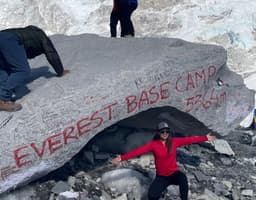
Everest Base Camp is the better-known route. It takes you through Lukla, Namche, Tengboche, Dingboche, Lobuche, Gorakshep, and finally Everest Base Camp, usually with a sunrise climb of Kala Patthar for the best close view of Everest. The appeal is obvious - this is the iconic trek people picture when they think about the Everest region.
Gokyo follows the valley toward Dole, Machhermo, and the Gokyo Lakes, with Gokyo Ri as the main viewpoint. Instead of focusing on base camp, this route is more about open mountain vistas, lakes, and a less congested trail. On a clear day, the view from Gokyo Ri is one of the strongest viewpoints in the Khumbu, with Everest, Lhotse, Makalu, and Cho Oyu visible.
If your priority is saying you reached Everest Base Camp, Gokyo will not replace that. If your priority is overall mountain scenery and a calmer trekking rhythm, Gokyo often surprises people in a good way.
Which route has better scenery?
This depends on what kind of scenery you value. Everest Base Camp gives you a stronger sense of expedition history and glacier terrain. Once you move above Dingboche, the landscape becomes harsher, more dramatic, and more exposed. Kala Patthar delivers the classic close-up Everest viewpoint that many trekkers consider the visual highlight of the trip.
Gokyo is often more varied. You still get major Himalayan scale, but the route adds lakes, broader valley views, and a more open visual feel. Gokyo Ri is exceptionally rewarding because the climb is short relative to the quality of the panorama. For many experienced trekkers, the actual viewpoint quality in Gokyo is better than standing at Everest Base Camp itself, where the mountain is not fully visible.
So the trade-off is simple. Everest Base Camp wins for iconic status and expedition atmosphere. Gokyo wins for scenic variety and viewpoint efficiency.
Crowds, pace, and trail atmosphere
Everest Base Camp is busier in peak trekking seasons, especially in spring and fall. Teahouses on the main trail fill faster, the route feels more social, and there is more movement of trekkers, guides, porters, and expedition logistics. Some travelers enjoy that energy. Others find it tiring, especially if they expected a more remote mountain experience.
Gokyo is generally quieter. It is still a well-established Everest route, not an isolated expedition trail, but it tends to feel less crowded than the main EBC corridor. That can improve the lodge experience and make daily walking feel more relaxed.
For first-time Nepal trekkers, the busier EBC route can feel reassuring because the logistics are very established. For travelers who already know they prefer less traffic and more breathing room, Gokyo often fits better.
Difficulty and acclimatization
Neither route should be treated as easy. The main challenge is altitude, not technical terrain. You need steady pacing, acclimatization days, hydration, and disciplined route planning.
Everest Base Camp usually tops out at Kala Patthar, around 18,519 feet, while Gokyo Ri reaches around 17,575 feet. That small number difference does not tell the whole story, but it matters. EBC can feel more physically draining because the upper trail is longer, colder, and more exposed, particularly around Lobuche and Gorakshep.
Gokyo is not necessarily easier for everyone. The ascent profile still demands proper acclimatization, and some trekkers find the climbs to and around Gokyo tiring. If you add Cho La Pass to combine Gokyo with Everest Base Camp, the route becomes significantly more demanding and moves into a stronger high-altitude trek category.
From an operations standpoint, neither itinerary should be rushed. A well-built schedule with acclimatization nights in Namche and either Dingboche or Machhermo is more important than trying to save a day.
Everest Base Camp trek vs Gokyo for trip length
Standard Everest Base Camp itineraries commonly run about 12 to 14 days from arrival in Kathmandu to completion of the trek portion, depending on flight timing and buffer days. Gokyo itineraries often fall into a similar range, though some versions can be slightly shorter or more flexible depending on turnaround points.
Where timing really changes is with route combinations and return methods. If you want both Gokyo and Everest Base Camp, usually via Cho La Pass, you should expect a longer itinerary, often around 15 to 18 days. If your vacation window is tight, a helicopter return from the upper trail can reduce total duration and cut down the long descent.
This is where itinerary design matters more than headline duration. Two 14-day trips can feel very different depending on where acclimatization days are placed, flight buffers, and whether the package includes contingency planning for Lukla weather.
Cost and logistics
The cost difference between standard EBC and Gokyo treks is usually not dramatic when comparing guided teahouse packages at a similar service level. The bigger pricing variables are guide ratio, porter support, accommodation standard, domestic flight arrangements, private transfers, gear support, and whether you add helicopter segments.
Everest Base Camp can sometimes involve slightly higher congestion-related lodge pressure in peak periods, but in practical terms most travelers should focus less on minor base price differences and more on what is actually included. A low headline cost does not help if permits, airport transfers, flight changes, porter service, or emergency coordination are unclear.
With any Everest-region trek, logistics are not a side issue. Lukla flights can shift due to weather, baggage limits must be managed properly, and altitude response needs monitoring from day one. A capable in-country operator matters because the route choice is only part of the decision. Execution is the other part.
Who should choose Everest Base Camp?
Choose Everest Base Camp if this is your first trip to the Khumbu and the goal is the classic Everest journey. It is the right fit for travelers who want the recognized route, the base camp milestone, and the Kala Patthar sunrise view. It also suits people who enjoy the atmosphere of a major trekking corridor with lots of teahouse activity and a strong sense of shared adventure.
It is also a better sales-fit for travelers who may later want an upgraded variation, such as a luxury lodge trek with helicopter return. The route structure is familiar, the logistics are highly established, and the end goal is clear.
Who should choose Gokyo?
Choose Gokyo if you want a more scenic-first Everest experience and care less about the base camp label. It works particularly well for repeat Nepal visitors, photographers, and trekkers who prefer quieter trails without giving up major Himalayan views.
Gokyo is also a strong option for travelers who want a slightly different Everest product without stepping into a remote camping expedition. You still get solid teahouse infrastructure, guide support, and manageable logistics, but the route feels less obvious and often more rewarding day to day.
The best option for many trekkers: combine both
If your fitness, budget, and schedule allow it, the combined Gokyo and Everest Base Camp route is often the strongest overall itinerary in the region. It gives you the lakes, Gokyo Ri, Cho La Pass, Everest Base Camp, and Kala Patthar in one trek. It is a more serious undertaking, but it solves the either-or problem.
This combined route is not ideal for everyone. It requires stronger endurance, more tolerance for cold and altitude, and enough days to acclimatize properly. But for trekkers making one major Nepal trip and wanting the broadest Everest experience, it is often the best value in terms of scenery and route variety.
For travelers who want help matching the route to their dates, pace, and service level, Shepherd Holidays can structure Everest itineraries with guided support, permit handling, domestic logistics, and helicopter return options when time efficiency matters. The best trek is not the one with the biggest name. It is the one that fits your actual trip window, comfort level, and priorities once the mountain starts making the decisions.