

If you are pricing an Everest trip from abroad, the biggest mistake is treating it like a single number. A realistic everest trek cost example budget depends on route, season, flight reliability, guide structure, gear needs, and how much contingency you build in for Lukla delays. For most travelers, the right question is not "What does Everest cost?" but "What does my version of Everest cost once the mountain logistics are handled properly?"
That is where a practical budget matters. On the ground in Nepal, the cost gap between a bare-bones plan and a well-managed guided trek is not just about comfort. It also affects permit handling, airport transfers, guide staffing, baggage support, hotel nights around flight disruptions, and how smoothly your trip runs when conditions change.
Everest trek cost example budget by trip style
For a standard Everest Base Camp trek of about 12 to 14 trekking days, plus arrival and departure logistics in Kathmandu, most international travelers should expect three broad budget bands.
A budget independent-style setup can land around $1,200 to $1,800 before your international airfare, but that usually assumes you are arranging many components yourself, carrying more of your own risk, and staying flexible on disruptions. This can work for experienced trekkers, but it often looks cheaper on paper than it feels in practice once weather delays and extra nights start adding up.
A guided group or private trek with standard tea house accommodations commonly lands around $1,800 to $3,200 per person, again excluding long-haul flights to Nepal. This is the range where many travelers find the best balance. Core logistics are organized, permits are handled, airport movements are clear, and there is a support structure if flights or health issues affect the schedule.
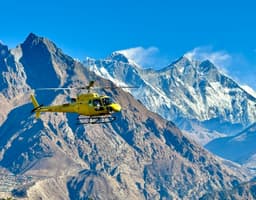
A higher-comfort or premium Everest program can range from $3,500 to $6,500 and upward, depending on hotel standard in Kathmandu, porter ratio, domestic flight class where available, private transport, upgraded lodges, and whether a helicopter return from the Khumbu is included. This is less about luxury for its own sake and more about time efficiency and reducing friction on a demanding route.
What is included in an Everest trek cost example budget?
The main budget categories are straightforward, but the proportions surprise many first-time visitors.
Permits and local compliance
Everest region permit costs are not usually the biggest line item, but they are fixed and non-negotiable. You need the relevant local and national trekking permits for the Khumbu region. On a guided package, these are usually arranged in advance and folded into your trip cost, which matters because permit handling is one of the easier places for self-organized travelers to lose time.
Kathmandu hotel and pre-trek logistics
Most Everest itineraries require at least two to three nights in Kathmandu between arrival, pre-trek briefing, and post-trek buffer. Budget hotels can be affordable, but once you move into reliable mid-range service with airport pickup, breakfast, baggage storage, and responsive staff, your cost rises quickly. That increase is often worth it because your Kathmandu nights are part of the expedition logistics, not just sightseeing time.
Lukla flights and delay buffer
This is one of the most important budget lines. Flights to Lukla are short, but they are highly weather-dependent. In peak season, routing may involve Ramechhap instead of Kathmandu, which adds ground transfer time and related cost. If your itinerary does not include enough buffer, your cheapest plan can become your most expensive plan very fast.
Travelers should budget not only for the ticket itself but also for possible extra hotel nights, meals, and local transfers if flights shift. A serious plan always includes contingency funds here.
Guide, porter, and staff support
Professional staffing is where price and trip quality often separate. A certified guide adds route management, altitude monitoring, local coordination, and a clear response chain if something changes. A porter reduces physical strain and helps many trekkers walk more steadily at altitude.
Can you trek with lower staffing cost? Yes. Should every traveler do that? No. If you are flying in from the US with limited time, a guided structure usually provides better value than trying to save a few hundred dollars while taking on more operational risk.
Tea houses, meals, and daily trail spending
Food and lodging prices increase with altitude because everything moves uphill by air, porter, or pack animal. A room may seem inexpensive in lower villages, then meals become the larger daily expense higher up. Add hot drinks, charging, Wi-Fi, bottled or treated water, showers, and snacks, and your day-to-day spending rises faster than expected.
A useful planning figure is around $30 to $50 per day for basic trail food and small extras if some items are not prepaid, and more if you prefer frequent hot drinks, packaged snacks, or private room upgrades where available.
A sample Everest Base Camp budget
Here is a realistic mid-range example for one traveler doing a guided Everest Base Camp trek with standard accommodations over about 14 days in Nepal, not including international airfare.
Kathmandu hotel for 3 nights might run $120 to $300 total depending on category and season. Permits may total roughly $50 to $70 depending on current structure. Lukla flight costs can vary, but a round-trip budget of $350 to $450 is a reasonable planning point. Guide and porter support, when organized as part of a professionally run package, commonly represent a major share of the trip and can place the overall land cost in the $1,800 to $3,200 range.
Then add personal spending. Meals and drinks on the trail may total $350 to $600 depending on what is included in the package. Gear rental or purchases can be anywhere from $100 for a few missing items to $800 or more if you need a full kit. Tips, travel insurance, and emergency contingency should not be treated as optional. A practical reserve of $300 to $700 gives you breathing room.
That puts a realistic mid-range total around $2,400 to $4,000 for many travelers before they even look at their international flight to Nepal. This is why bargain numbers you see online often feel incomplete.

Why Everest budgets go off track
The most common issue is underestimating variable costs. Tea house prices are not the only moving part. Flight disruptions, extra nights in Kathmandu, gear bought at the last minute, and medical or route adjustments can all push the final number higher.
The second issue is comparing package prices without checking inclusions carefully. One quote may include permits, airport transfers, staff insurance, some meals, and hotel nights. Another may look cheaper but leave those items separate. For a clean comparison, you need the full land-cost structure, not just the headline rate.
The third issue is choosing the wrong comfort level for the traveler. A very fit backpacker and a time-sensitive couple from the US are not buying the same product, even if both say they want "Everest Base Camp." One may accept basic flexibility. The other may want tighter operations, better staffing, and a stronger backup plan.
How to build the right Everest trek cost example budget for your trip
Start with your route and trip length. Everest Base Camp is the standard benchmark, but adding acclimatization side hikes, a heli return, or a luxury lodge segment changes the numbers quickly.
Next, decide how much logistical support you want. If your priority is reducing planning complexity, use a package that clearly states permits, domestic flights, guide support, porter services, Kathmandu arrangements, and what happens during weather delays. This is usually where working with an in-country operator adds real value.
Then review gear honestly. If you already own cold-weather trekking equipment, your budget can stay tighter. If not, decide whether renting in Kathmandu or buying key items makes more sense for your travel style and future use.
Finally, protect your schedule with contingency. A good budget is not the cheapest version of the trip. It is the version that can absorb real mountain conditions without turning the whole itinerary into a scramble.
For travelers who want a structured, service-led Everest program rather than piecing the route together item by item, Shepherd Holidays can help map the right cost level to your time frame, support needs, and preferred trip style. That is usually the fastest way to turn broad Everest pricing into a workable trip plan.
Everest is one of those journeys where precision matters more than optimism. Budget for the trek you actually want, with the support level you will appreciate on day eight, not just the number that looks good on day one.