

You can see a lot of Nepal in a week if you choose the right three stops - and you don’t waste your best hours stuck in traffic, guessing hotel locations, or rebooking transport mid-trip.
That’s the real appeal of the golden triangle tour of Nepal. It’s a compact, high-reward circuit built around Nepal’s most practical first-time combination: Kathmandu Valley culture, Pokhara’s lakeside mountain views, and Chitwan’s jungle wildlife. Done well, it feels varied and complete. Done poorly, it can feel like a long drive with rushed sightseeing.
Below is how we recommend planning it so the logistics work, the pacing makes sense, and you can still tailor it around your comfort level, budget, and time.
What the golden triangle tour of Nepal includes (and why it works)
In Nepal, “golden triangle” usually means Kathmandu - Pokhara - Chitwan - returning to Kathmandu. The order can change, but the core idea stays the same: three very different environments that connect with manageable travel days.
Kathmandu Valley is your heritage and urban culture base - UNESCO sites, living temples, courtyards, and the kind of history you can’t replicate elsewhere in the Himalaya.
Pokhara is the reset button - lakeside walks, optional sunrise viewpoints, short hikes, and the simplest way to add soft adventure (paragliding, zipline, day rafting) or even upgrade to an aerial experience.
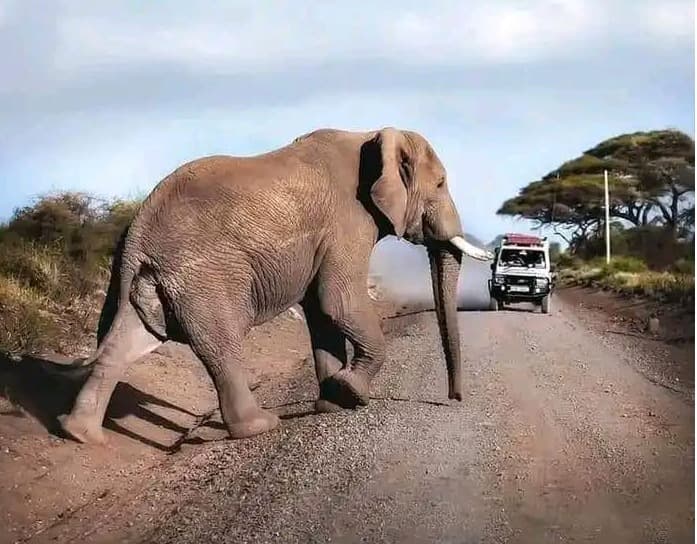
Chitwan is the wild card that makes the trip feel bigger than a city circuit - jeep safaris, canoeing, and a strong chance of spotting rhino (and, if you’re lucky, other wildlife) in a national park setting.
It’s a smart first Nepal itinerary because it doesn’t require trekking permits, altitude adaptation, or specialist gear - but it still gives you a real taste of Nepal’s range.
Best trip length: 7 to 10 days (with real-world timing)
The golden triangle can be squeezed into 6 days, but it becomes all transfer and no breathing room. For most US travelers, 7 to 10 days on the ground is the sweet spot.
A practical timing baseline looks like this:
Kathmandu Valley: 2-3 days for heritage sightseeing and buffer time for international arrival.
Pokhara: 2-3 days for lakeside, sunrise, and optional adventure.
Chitwan: 2 nights minimum, 3 nights if you want both morning and afternoon activities without feeling rushed.
Transfers in Nepal take longer than Google Maps suggests, especially on the Prithvi Highway and during monsoon months. Planning with realistic drive blocks prevents the classic problem: arriving late, checking in, and realizing the day is gone.
Route options: drive vs fly (and when it depends)
There isn’t one “correct” routing. It depends on your tolerance for long drives, your budget, and how tightly you want to schedule your sightseeing.
Option A: Drive the whole triangle (cost-effective, more flexible)
Driving keeps costs down and makes it easier to stop for meals, viewpoints, or a short walk. It also keeps your baggage simple since you’re not dealing with flight restrictions.
Trade-off: road conditions and congestion can add hours. If you’re traveling in peak festival periods or during monsoon, build extra buffer time.
Option B: Fly Kathmandu to Pokhara (time-efficient)
A short flight can save most of a day and gets you to Pokhara with energy to actually enjoy the lakefront that same afternoon. This is a strong choice for premium travelers or anyone with limited vacation days.
Trade-off: flights can be delayed due to weather, and baggage allowances can be tighter. If your international connection timing is tight, avoid putting a domestic flight on the same day as your long-haul arrival.
Option C: Mix flight + private vehicle (balanced)
Many travelers prefer flying one leg (usually Kathmandu-Pokhara) and driving the others. It reduces fatigue without turning the trip into a fully air-based schedule.
A logistics-first itinerary that actually works (8 days)
This is a clean 8-day structure that keeps activities in the right time windows and avoids the most common pacing mistakes.
Days 1-2: Kathmandu Valley heritage
Plan one full day focused on the classic UNESCO triangle inside the valley. The second day can be either deeper heritage (more time in Bhaktapur or Patan) or a lighter day with a short hike on the valley rim.
Operational note: Kathmandu sightseeing works best with an early start. Several major sites become crowded by late morning, and traffic time compounds quickly.
Days 3-4: Pokhara for views and soft adventure
Pokhara is where you slow the tempo down. A sunrise trip to Sarangkot is popular for a reason - if the weather cooperates, it’s one of the simplest high-impact moments of the whole circuit.
Day 4 is where you choose your style:
If you want relaxed: boat on Phewa Lake, cafés, and an easy walk.
If you want active: paragliding, a day hike, or a short rafting add-on en route.
If you want premium: consider an aerial mountain experience instead of stacking more road time.
Days 5-6: Chitwan National Park (2 nights minimum)
Arrive, check in, and keep the first afternoon lighter. Your best wildlife windows are typically early morning and late afternoon, so schedule jeep safari accordingly.
A well-managed Chitwan plan includes clear activity blocks and realistic transition time between the lodge and park entry points. If you’re combining canoeing and a jeep safari in one day, the timings matter.
Days 7-8: Return to Kathmandu with buffer
Use day 7 for the return transfer and day 8 as a true departure buffer. That last day protects your international flight schedule and gives you space for last-minute shopping or a final heritage visit if you missed something earlier.
If you have only 7 days total, keep day 7 as the return plus an evening buffer, and depart the next morning only if your flight timing is safe.
When to go: seasons and what changes operationally
Nepal is not a one-season destination, but conditions shift enough that your triangle should adjust.
October to November (peak clarity, peak demand)
This is the most consistent weather window for mountain visibility in Pokhara and generally comfortable temperatures across all three points. It’s also the busiest period. Book hotels and domestic flights early, and expect more traffic around major holidays.
December to February (cooler, quieter, often excellent value)
Kathmandu and Pokhara can be crisp in the mornings and evenings. Chitwan is pleasant during the day. Visibility can still be very good, but fog can affect early morning schedules.
March to May (warm, good for activities)
This is a strong shoulder-to-peak season for Pokhara adventures and general touring. It can get hot in Chitwan by late spring, so schedule safaris in the cooler parts of the day.
June to September (monsoon trade-offs)
Monsoon doesn’t mean you can’t travel - it means you need to plan around it. Roads can be slower, views can be inconsistent, and leeches are common in lush areas. The upside is fewer crowds and green landscapes, especially around Pokhara.
Hotels, vehicle standards, and guide support (what to confirm)
Most trip friction comes from mismatched expectations: hotel location, vehicle comfort, and who is actually coordinating the days.
In Kathmandu, being close to Thamel is convenient for dining and shopping, but some travelers prefer quieter neighborhoods. In Pokhara, Lakeside is the practical base - it reduces transfers and keeps evenings simple. In Chitwan, lodge choice affects the entire schedule because it determines how long you spend reaching activity starting points.
For transport, confirm the vehicle class and the daily driving plan. A private vehicle with an experienced driver changes the quality of this circuit more than most people expect. If you’re traveling as a couple or family, comfort and seat space matter on the Kathmandu-Pokhara and Chitwan-Kathmandu legs.
For guiding, be clear whether you want a city guide in Kathmandu, a tour leader across the whole route, or point-to-point local guides. Each model works, but the right choice depends on how hands-off you want to be.
Smart add-ons that fit the triangle (without breaking it)
If you have extra time, add experiences that sit naturally inside the route.
A Kathmandu valley rim day hike is a low-commitment way to get hillside views without turning the trip into a trek.
In Pokhara, a one-day hike to a viewpoint or a short overnight in the nearby hills can add a Himalayan feel without permits complexity.
For premium travelers, helicopter options can replace long road days and keep the trip sharp and time-efficient.
If you have 2-4 extra days total, that’s often enough to extend into a short trek in the Annapurna region or to add more wildlife time in Chitwan.
Booking and execution: what a good operator should handle
A golden triangle looks simple on paper, but it still involves multiple moving parts: hotel check-in windows, park permits and activity slots, domestic flight timing, guide availability, and vehicle allocations.
At minimum, your operator should be able to confirm your daily routing, the exact inclusions for Chitwan activities, and how they manage delays. Ask direct questions about safety standards, driver experience, and what happens if weather affects flights or visibility.
If you want a single on-ground team to package the route end-to-end - including private transport, guides, hotels, and activity scheduling - Shepherd Holidays builds this circuit with the same operational discipline used for Himalayan programs, which matters even on “easy” itineraries.
Plan the golden triangle tour of Nepal like you would any multi-stop international trip: prioritize realistic timing, protect your buffer days, and choose comfort where it saves you energy. The best version of this circuit isn’t the one with the most checkmarks - it’s the one that still leaves you feeling like you actually had time to be in each place.